
WAVY Transforms Singing-Bowl Recordings into Generative Soundscapes
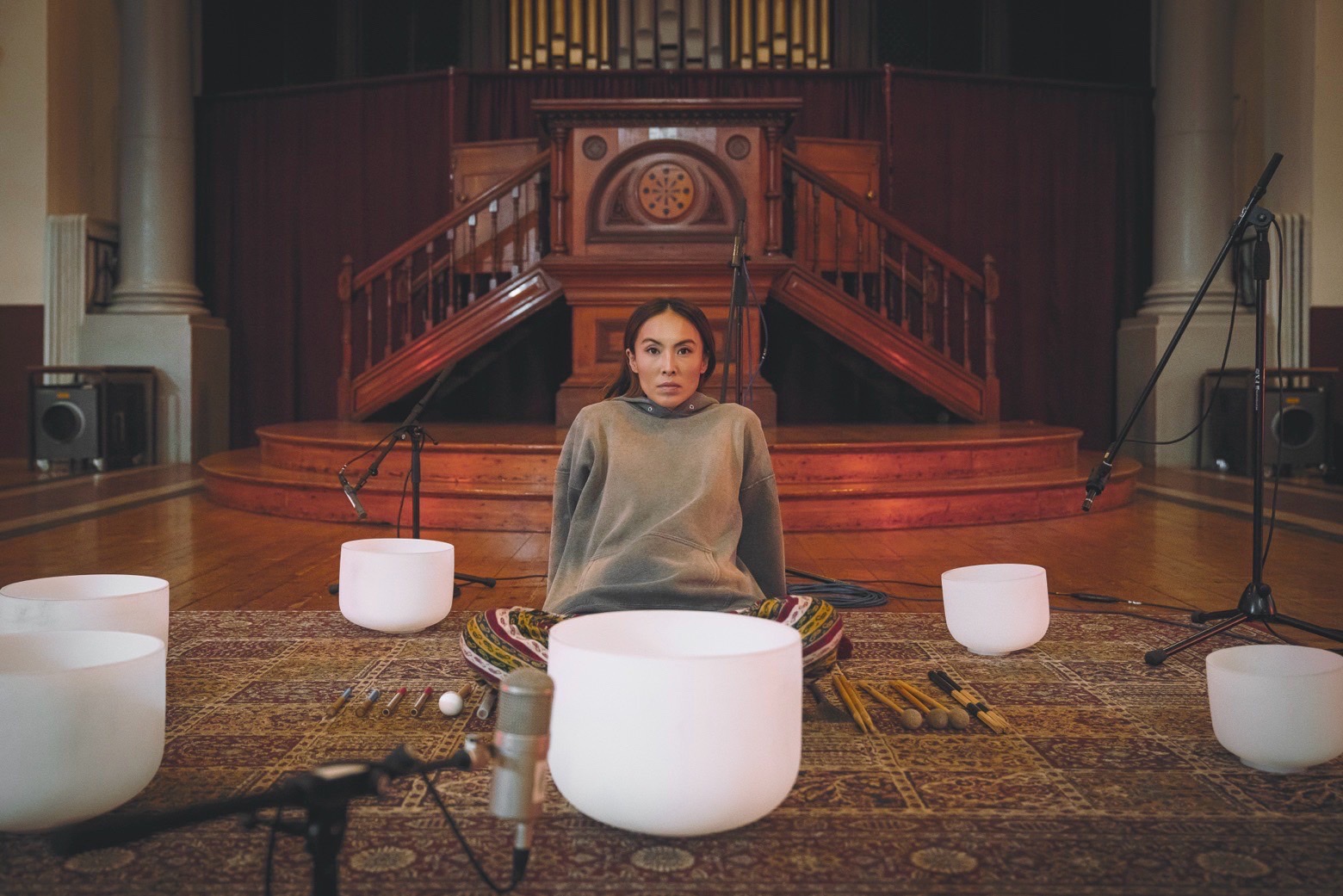
Cool Hunting reported on July 9, 2026 that composer Aska Matsumiya released WAVY, an iOS sound-meditation app that turns Tibetan and crystal bowl recordings into non-looping generative soundscapes. The story is a small but useful example of generative audio built from real acoustic source material rather than fully synthetic sound. According to the report, WAVY uses recordings of antique bowls, crystal bowls, gongs, ocean drums, handpan, and monochord, with a generative engine that keeps sessions from repeating. For practitioners, the product is less about model novelty and more about ambient UX: passive interaction, spatial sound, source provenance, and possible future adaptation using heart-rate or sleep signals.
WAVY is a niche product story, but it illustrates a broader pattern in generative audio: procedural systems can feel more trustworthy when the source material is recorded, spatial, and inspectable rather than synthetic by default. That matters for wellness interfaces where user perception is part of the product.
What happened
Cool Hunting reported that composer Aska Matsumiya built WAVY around recordings of Tibetan and crystal singing bowls and other acoustic instruments. The app routes those recordings through a generative engine so listening sessions shift continuously instead of looping fixed tracks.
For practitioners
The design lesson is to separate generative sequencing from synthetic sound generation. Teams building ambient, focus, sleep, or meditation products can preserve source authenticity while still using algorithms to vary timing, layering, and spatial placement.
What to watch
The article says the team is looking at future updates that could respond to heart-rate, heart-rate variability, or sleep patterns. That is the point where wellness claims would need stronger measurement and privacy discipline.
Key Points
- 1WAVY shows a generative-audio pattern built from recorded acoustic material instead of fully synthetic sound.
- 2The product is low-risk news but useful for teams studying ambient interfaces, wellness UX, and procedural audio.
- 3The next validation question is whether biometric adaptation improves outcomes beyond novelty and perceived calm.
Scoring Rationale
This is a minor but on-topic generative-audio and wellness UX story with a concrete product example. The score is lowered because it is single-source, niche, and not a major AI platform or research development.
Sources
Public references used for this report.
Practice interview problems based on real data
1,625 SQL & Python problems across 15 industry datasets — the exact type of data you work with.
Try 250 free problems

