
Utah Researchers Improve Prosthesis Grasping With AI
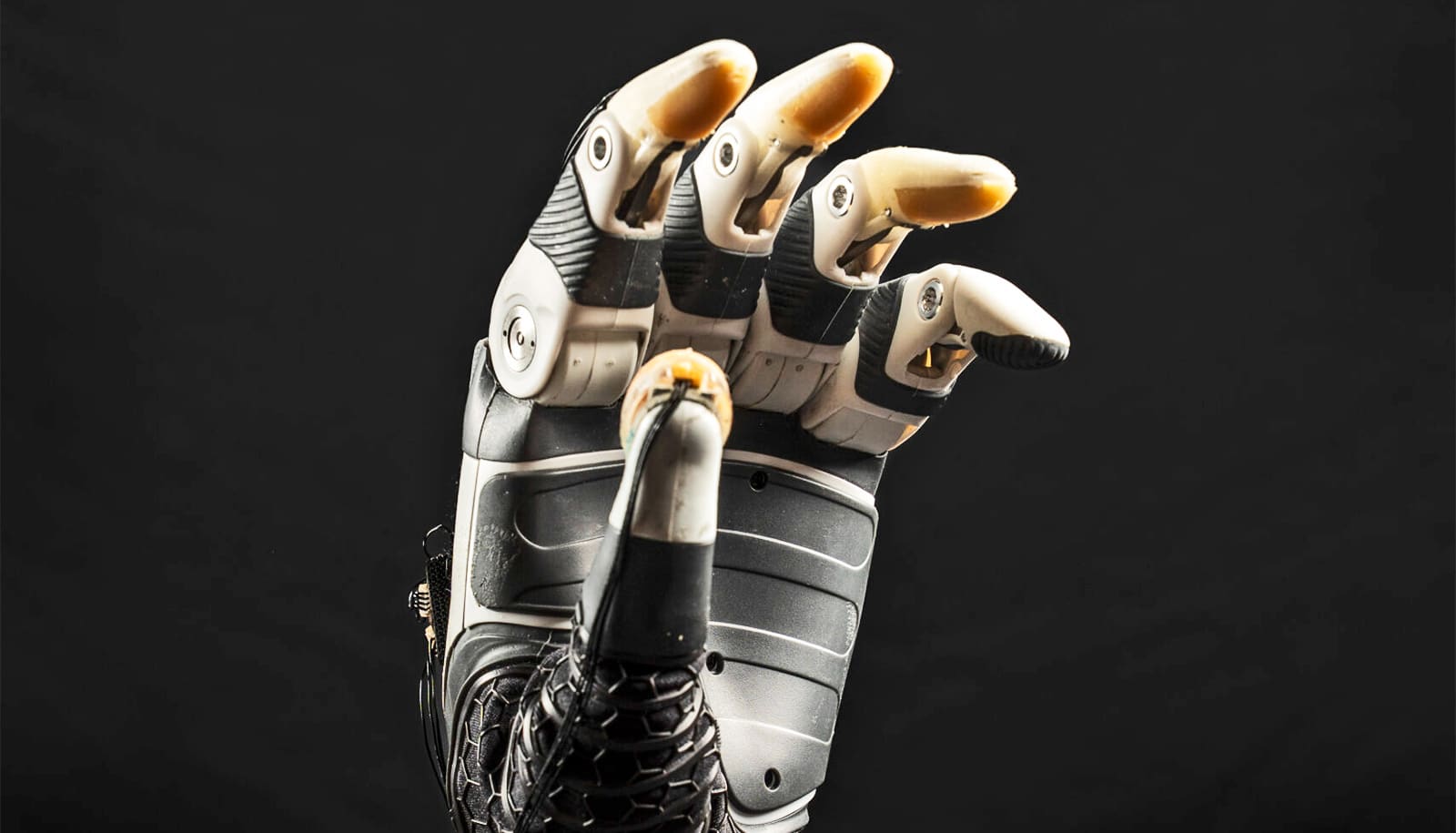
University of Utah researchers led by Jacob A. George and Marshall Trout published in Nature Communications that they integrated optical proximity and pressure sensors into a TASKA commercial bionic hand and trained a neural network to autonomously control finger positions for grasping. In tests with four transradial amputee participants the shared human–AI control improved grip precision, security, and reduced cognitive effort during everyday tasks. The approach suggests blending tactile sensing with thought-based interfaces for future neuroprosthetic integration.
Key Points
- 1Integrate proximity and pressure sensors into TASKA bionic hand, train neural network for autonomous grasp
- 2Enable fingers to detect micro-contact and predict grasp posture, improving grip precision and security
- 3Reduce user cognitive burden and enable everyday tasks without extensive training for amputee users
Scoring Rationale
Peer-reviewed demonstration shows practical, sensor-driven shared control; limited sample size and single-device evaluation constrain generalizability.
Sources
Public references used for this report.
Practice interview problems based on real data
1,625 SQL & Python problems across 15 industry datasets — the exact type of data you work with.
Try 250 free problems
