US Scientists Develop Air-Powered Robotic Muscles
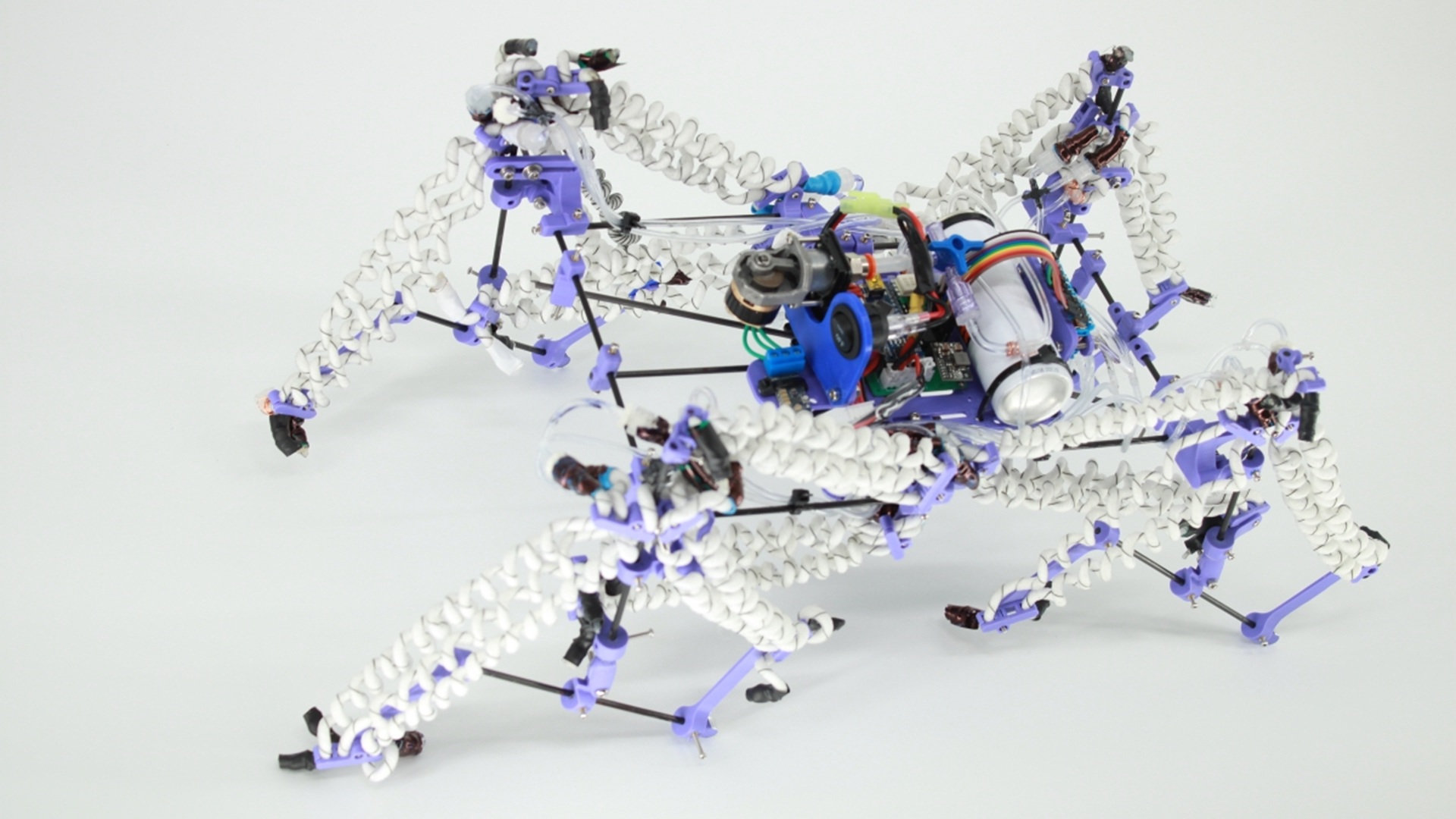
On April 3, 2026, researchers at Arizona State University published a PNAS study introducing helical anisotropically reinforced polymer (HARP) air-powered artificial muscles that let robots lift up to 100 times their own weight. The lightweight, flexible actuators operate on low air pressure, tolerate extreme heat and abrasive environments, and enable soft, motor-free robots for confined or hazardous tasks. The team filed a provisional patent and received an NVIDIA academic grant.
Key Points
- 1Demonstrate HARP air-powered actuators enabling robots lift up to 100× their weight
- 2Offer lightweight, flexible muscle-like actuation that survives extreme heat and abrasive environments
- 3Enable soft, autonomous robots for disaster response, industry, healthcare, agriculture, and space
Scoring Rationale
Published in PNAS with university backing and an NVIDIA grant, the work scores high on novelty, credibility and scope due to the 100× lift claim and broad application potential. The score is slightly tempered by limited technical detail in the article and current lab-stage readiness.
Practice interview problems based on real data
1,625 SQL & Python problems across 15 industry datasets — the exact type of data you work with.
Try 250 free problems