Two Men Charged Under TAKE IT DOWN Act
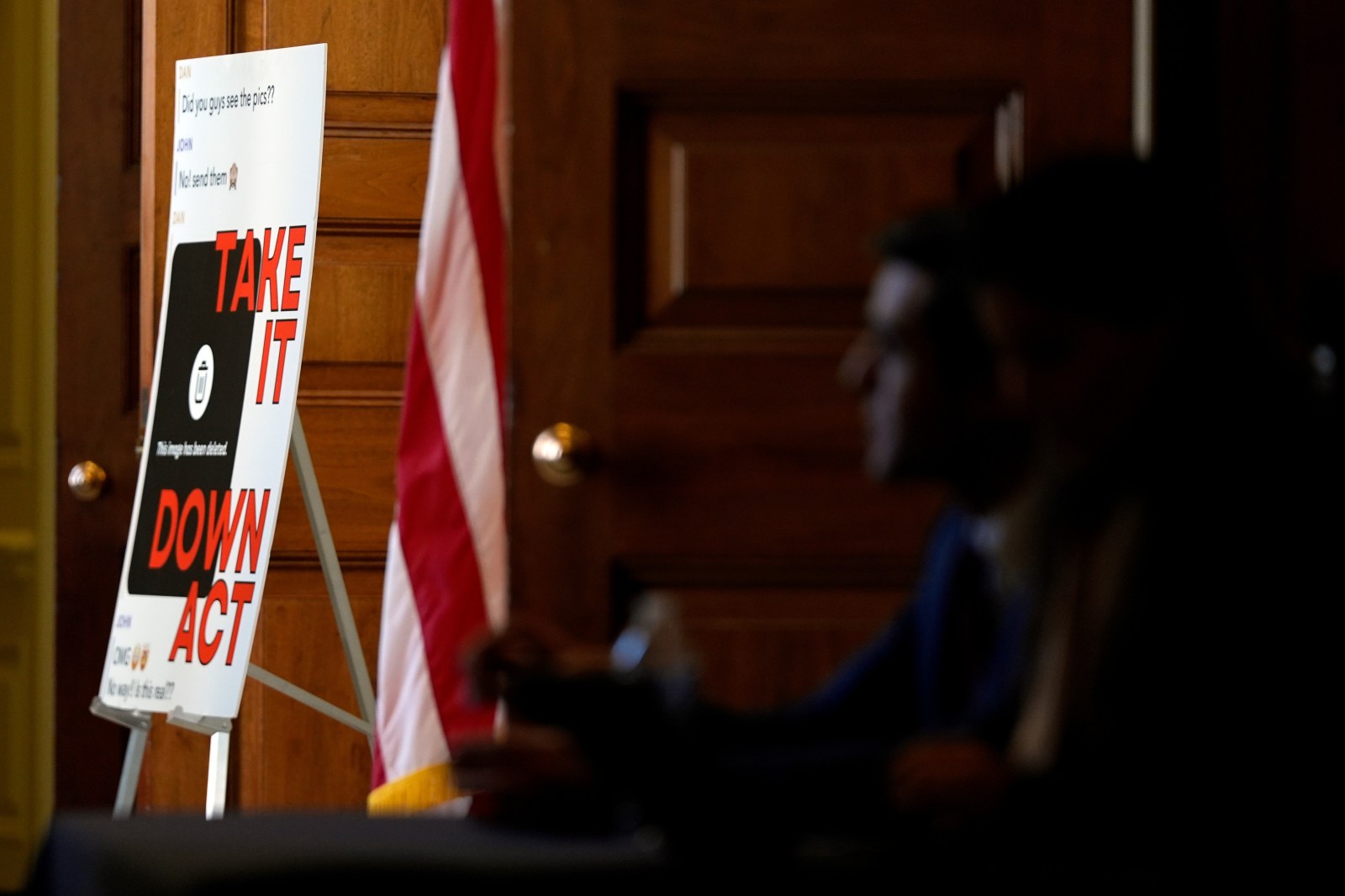
Federal prosecutors in Brooklyn charged Cornelius Shannon and Arturo Hernandez with publishing AI-generated sexually explicit images and videos in violation of the TAKE IT DOWN Act, the U.S. Attorney's Office, Eastern District of New York, said in a May 20, 2026 press release. The complaint alleges the defendants posted thousands of images and videos, including depictions of celebrities, elected officials, and acquaintances, and the press release says Hernandez posted hundreds of images of non-public figures. Hernandez was arrested in Bedias, Texas, and Shannon was arrested in New Jersey, the press release says. The U.S. Attorney called the conduct a degrading abuse of technology, and the FBI described it as predatory; both comments appear in the Justice Department statement. Reporting by the New York Post and court papers allege Shannon published deepfakes of about 90 female victims viewed more than 2.1 million times since May 2025.
What happened
Federal prosecutors in the Eastern District of New York unsealed criminal complaints charging Cornelius Shannon and Arturo Hernandez with violating the TAKE IT DOWN Act, a federal law enacted to prohibit nonconsensual publication of AI-generated porn, according to a May 20, 2026 press release from the U.S. Attorney's Office, Eastern District of New York. The Justice Department statement says the defendants allegedly posted thousands of images and videos that appeared to depict real people nude and/or engaging in sexual acts, including actresses, singers, and political figures; it adds that Hernandez posted hundreds of depictions of non-public figures. The press release states Hernandez was arrested in Bedias, Texas, and Shannon was arrested in New Jersey; arraignment and court scheduling were announced by the office.
Technical details
Editorial analysis - technical context: Generative-image and video tools have matured to the point where creating realistic deepfake imagery is low-cost and accessible, increasing risks of nonconsensual exploitation. Industry responses documented in prior public reporting include model watermarking, provenance metadata, perceptual and forensic detectors, and platform content moderation pipelines. These technical mitigations vary in reliability, and automated detectors typically trade off false positives and false negatives; human review and legal takedown mechanisms remain essential complements.
Context and significance
Industry context: The criminal complaints mark one of the earlier federal criminal enforcements under a statute explicitly aimed at AI deepfake pornography. The Justice Department press release frames the arrests as an application of newly available statutory authority; the U.S. Attorney is quoted saying, "As alleged, the defendants used cutting-edge digital technology to create images that degraded and violated victims across the United States." FBI leadership is quoted calling the conduct "a disturbing abuse of technology that inflicts emotional harm on victims." Independent reporting by the New York Post, citing court papers, alleges Shannon published deepfakes depicting roughly 90 female victims that were viewed more than 2.1 million times since May 2025. Observers following policy and platform enforcement will view these filings as an early test case for how prosecutors, investigators, and websites will coordinate under the law.
What to watch
For practitioners: Monitor court filings for specifics on the tools, workflows, or platforms described in the complaints; those details shape what technical markers investigators can rely on. Watch platform responses and takedown notices referenced in filings, since takedown processes and evidence preservation practices affect prosecutorial ability to build cases. Also track subsequent rulings or plea negotiations that may clarify evidentiary standards for attributing synthetic content to individual uploaders and for admissibility of forensic detection methods.
Editorial note: The DOJ press release is the primary official source for the arrests and charges. Several outlets reported additional details from court papers and local reporting; where that reporting introduced metrics (for example, alleged view counts and the number of victims), those claims are attributed to the reporting that cited court documents. The defendants' counsel and detailed technical evidence have not been published in the press release; the office's statement and quoted officials represent the government's public framing of the allegations.
Key Points
- 1Federal enforcement used the TAKE IT DOWN Act to criminally charge individuals for posting AI-generated pornography, signaling active legal enforcement.
- 2Generative-image tools lower production costs for realistic deepfake content, increasing reliance on technical detection plus legal remedies.
- 3Practitioners should watch court filings and platform takedown processes for precedents on forensic evidence and content attribution.
Scoring Rationale
This is a notable enforcement action applying a recently enacted federal statute to AI-generated sexual imagery. It matters to practitioners because it will shape takedown workflows, forensic evidence expectations, and platform cooperation-areas that affect detection, moderation, and legal risk.
Sources
Public references used for this report.
Practice interview problems based on real data
1,625 SQL & Python problems across 15 industry datasets — the exact type of data you work with.
Try 250 free problems