TSMC Posts Record Profit as AI Demand Surges
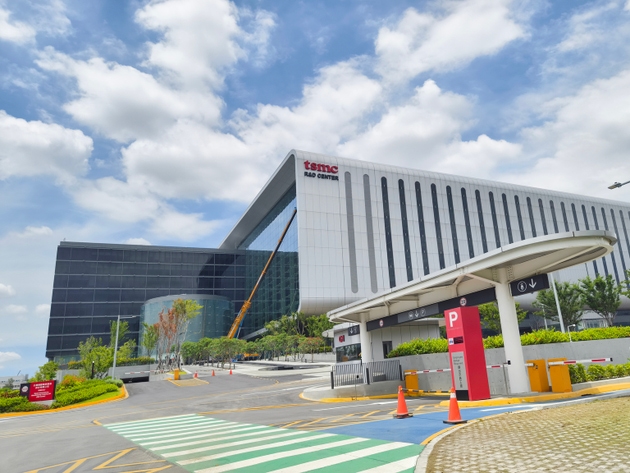
Taiwan Semiconductor Manufacturing Company posted a 58% year-over-year increase in first-quarter net income to NT$572.48 billion, with revenue at NT$1.134 trillion (about $35 billion). This marks a fourth consecutive quarter of record profits driven by sustained demand for advanced AI chips from major customers, including Nvidia. TSMC says AI-related demand remains strong even as geopolitical and supply-chain risks persist. For practitioners, the result signals continued tightness and pricing power at advanced process nodes and reinforces TSMC's central role in AI infrastructure.
What happened
Taiwan Semiconductor Manufacturing Company reported a 58% increase in first-quarter net income to NT$572.48 billion, with revenue of NT$1.134 trillion (roughly $35 billion), marking a fourth consecutive quarter of record profits. Management attributes the run to sustained demand for advanced AI processors from large customers, with one partner now identified as the company's largest customer. Geopolitical and supply-chain concerns are noted, but have not derailed demand.
Technical details
TSMC's earnings reflect high utilization of its advanced manufacturing capacity and pricing strength for premium process nodes and packaging that serve AI workloads. For practitioners this implies continued scarcity and prioritized allocation for customers designing high-performance AI accelerators, and continued tailwinds for advanced packaging and memory-integrated solutions such as HBM stacks. The quarter did not disclose new node rollouts or capex guidance in the reported excerpt, but the revenue and margin expansion are consistent with tight supply at advanced nodes.
Why it matters
TSMC is the linchpin of commercial AI infrastructure. Strong quarterly results driven by AI demand validate a multi-year structural shift: large AI model makers and cloud providers are consuming increasing silicon area per model, translating into higher ASPs and more predictable demand for foundry services. That dynamic benefits companies that control advanced-node capacity, creates higher barriers to entry for challengers, and pushes system architects to optimize for component availability and cost per inference/training FLOP.
Implications for practitioners
- •Capacity planning: expect continued lead times and prioritized allocations for advanced-node wafers, which affects product roadmaps and sourcing strategies.
- •Cost modeling: higher ASPs at advanced nodes will influence TCO calculations for ASICs versus off-the-shelf accelerators.
- •Risk management: geopolitical and supply-chain factors remain nontrivial; diversify sourcing and consider architectural migration to less capacity-constrained nodes where feasible.
What to watch
Monitor TSMC's upcoming guidance on capital expenditure, node-specific utilization rates, and customer concentration details. Those metrics will determine whether current tightness eases or persists into 2026.
Key Points
- 1TSMC posted 58% net income growth as AI chip demand lifted revenue, signaling robust demand for advanced-node capacity.
- 2Concentration of AI workloads at premium process nodes gives TSMC pricing power and reinforces foundry-driven supply tightness.
- 3Practitioners should expect sustained lead times, higher ASPs, and the need to adjust sourcing and cost models for AI hardware.
Scoring Rationale
TSMC's record quarter materially affects AI infrastructure availability and cost, a notable development for practitioners relying on advanced silicon. The story is important but not a paradigm shift, and freshness warrants a small timing adjustment.
Practice interview problems based on real data
1,625 SQL & Python problems across 15 industry datasets — the exact type of data you work with.
Try 250 free problems