Trump Seeks to Preempt State AI Regulation
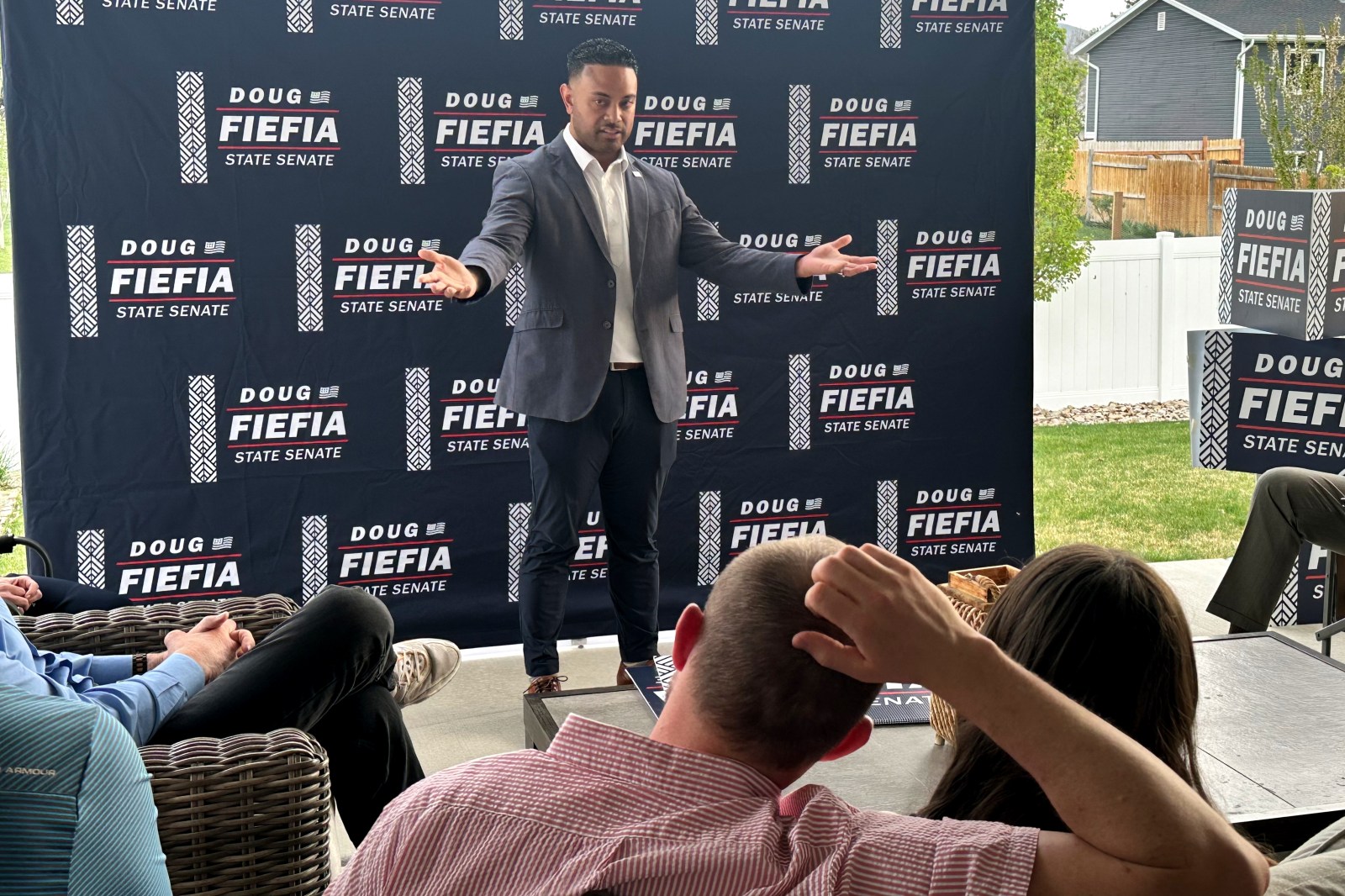
President Trump is pushing a federal-first approach to AI regulation through an executive order and a Justice Department-led litigation effort, seeking to block or overturn state laws that impose their own safety, transparency, or child-protection rules. Utah Republican legislators, led by Rep. Doug Fiefia and backed by Gov. Spencer Cox, are resisting, advancing HB 286 to require safety plans, whistleblower protections, and child-protection measures for frontier AI firms. The White House directs the DOJ, FTC, and FCC to coordinate enforcement and asks Commerce to explore withholding rural broadband funds from noncompliant states. The policy fight raises immediate compliance, litigation, and federalism questions for AI teams, legal counsels, and policy leads at model providers and platforms.
What happened
President Trump signed an executive order in December 2025 directing federal action to prevent states from creating a patchwork of AI rules, and ordered the creation of an AI Litigation Task Force to challenge state laws that the administration deems "onerous." Utah is one of the first flashpoints: Rep. Doug Fiefia is moving HB 286, a state measure requiring frontier AI companies to publish safety and child-protection plans and to provide whistleblower protections, while Governor Spencer Cox publicly defends state-led policy. The White House has privately pressured Utah lawmakers to abandon or water down the bill.
Technical details
The executive order uses federal tools rather than new legislation to limit state action. Key elements the administration has deployed or proposed include:
- •DOJ-led AI Litigation Task Force to identify and sue over state laws alleged to conflict with federal policy.
- •Coordination with the FTC and FCC to align enforcement posture on AI-related consumer protections and communications policy.
- •A Commerce Department study on whether withholding rural broadband funding can be used as leverage against states with restrictive AI statutes.
- •A push to draft a federal statutory framework with Congress to preempt state regulation long-term.
For practitioners this matters for three operational reasons
legal exposure and risk allocation will shift if the DOJ sues states or if Congress passes a preemption statute; compliance engineering teams face uncertainty around whether state-mandated features (transparency reports, child-safety filters, or data-handling rules) are enforceable; and incident response and whistleblower protections may become contested across jurisdictions. The Utah bill HB 286 specifically demands public safety and child protection plans from large AI providers and whistleblower channels, and was inspired by the Raine v. OpenAI case tied to a tragic youth suicide involving interactions with ChatGPT.
Context and significance
This dispute sits at the intersection of federalism, commercial policy, and safety regulation. Large AI companies generally prefer a single national standard to avoid compliance complexity; administration allies frame preemption as necessary to keep U.S. firms competitive against China. Child-safety advocates and some state officials counter that federal preemption can be used to shield companies from stricter local safeguards. Legal scholars widely predict the executive-order route will provoke constitutional challenges, because true preemption of state police powers typically requires clear congressional authorization. State-level innovation in AI safety (examples: Colorado, Utah proposals) is therefore both a policy laboratory and a legal test case for how far the federal executive can reach using administrative levers.
What to watch
Expect near-term litigation and political bargaining. Watch for: DOJ filings from the AI Litigation Task Force; the legislative fate of HB 286 in Utah; any formal federal statutory proposals from the White House or Congress; and court rulings that clarify preemption limits. For product and legal teams, track regulatory language closely, freeze-gate features tied to state-mandated safety requirements, and prepare for parallel compliance paths until courts or Congress resolve preemption questions.
Key Points
- 1Federal preemption bid centralizes AI rulemaking, reducing cross-state compliance complexity but raising legal federalism disputes.
- 2Utah's HB 286 targets safety transparency and whistleblower protections, forcing companies to choose design or legal defense paths.
- 3DOJ litigation and Commerce funding leverage create near-term enforcement risk, but binding preemption likely needs congressional statute.
Scoring Rationale
The story reshapes the regulatory baseline for AI and directly affects compliance, litigation risk, and product design. It is significant for practitioners but legally uncertain; absence of immediate congressional preemption and likely court challenges reduce its near-term decisiveness, and many sources date several months earlier which lowers immediacy.
Sources
Public references used for this report.
View 7 more sources
- How Trump's Bid to Crush State AI Laws Splits His Own Partytime.com
- Trump tries to preempt state AI laws via an executive order - NPRnpr.org
- Preemption Isn't Governance. We Need a Federal Framework for AI.publicknowledge.org
- White House Announces Ratepayer Protection Pledge; State ...mlstrategies.com
- White House AI Policy Update: Utah AI Bill Opposition, Tech Corps ...mintz.com
- Utah Poll: Voters in the Beehive State Want AI Safeguardsifstudies.org
- What Utah leaders say about Trump's preemption on AI state ...utahnewsdispatch.com
Practice interview problems based on real data
1,625 SQL & Python problems across 15 industry datasets — the exact type of data you work with.
Try 250 free problems