
Trump Pushes Swift AI Development as MAGA Balks
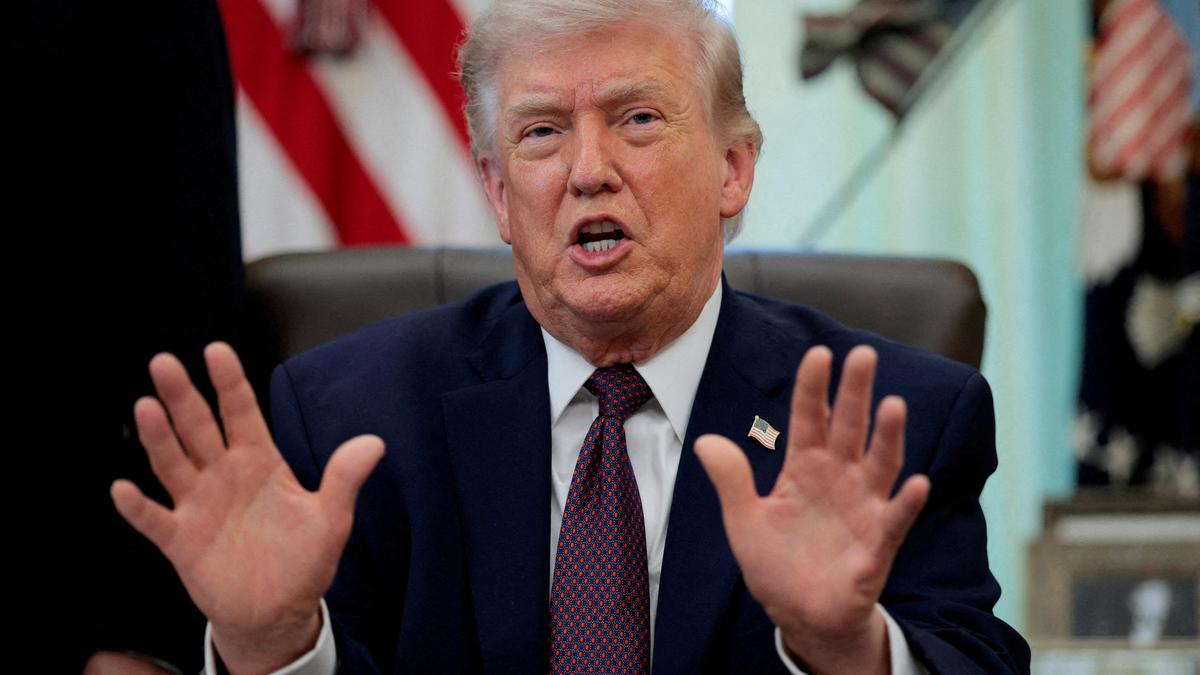
President Donald Trump has publicly advocated rapid AI development while moving to limit state-level AI rules, with PBS reporting he signed an executive order pressuring states not to regulate AI. The Washington Post reported that a prior White House effort to cap states' regulatory power split his supporters and highlighted Silicon Valley influence. Politico reported that Mr. Trump delayed or withdrew a broader executive order after former AI czar David Sacks warned an oversight regime could slow innovation and harm U.S. competitiveness with China. Financial Times and Politico coverage describe a backlash among some MAGA-aligned figures who fear even narrow federal AI rules or view outside interventions skeptically. PBS and other outlets cited civil-liberties groups warning that federal preemption would advantage large AI firms.
What happened
President Donald Trump has been publicly urging fast AI development while seeking to limit state-level regulation. PBS reported that Mr. Trump signed an executive order pressuring states not to regulate AI. The Washington Post reported that a White House initiative to limit states' power over AI previously divided his supporters and underscored the influence of Silicon Valley advisers. Politico reported that the White House delayed or pulled a more expansive executive order after former AI czar David Sacks argued to the president that a federal pre-release oversight regime could slow innovation and harm U.S. competitiveness with China. Financial Times and Politico coverage describe a vocal backlash from some MAGA-aligned figures over even narrow federal AI rules. PBS and other outlets reported that civil-rights and consumer groups warned federal preemption would favor large AI companies.
Editorial analysis - technical context
Industry observers note that federal preemption versus state-level regulation creates divergent compliance regimes for practitioners. When states adopt different disclosure, audit, or bias-assessment requirements, engineering teams often face fragmentation in data governance, model documentation, and deployment gating. Companies and research teams operating across multiple U.S. jurisdictions typically allocate engineering and legal resources to reconcile conflicting requirements, which raises operational complexity and testing overhead.
Industry context
Reporting frames the debate as a tradeoff-voices urging rapid, centralized rules frame them as reducing regulatory fragmentation; critics and state-level advocates frame them as potential protections lost for consumers and local oversight. Politico's reporting that David Sacks argued a federal review regime would slow innovation illustrates one strand of industry concern about pre-release government processes. Separate reporting by the Washington Post highlights the political coalition tensions between Silicon Valley advisers and MAGA-aligned constituencies.
What to watch
Observers will follow whether Congress advances statutory AI rules, how federal agencies interpret any executive directives, and whether state attorneys general or legislatures challenge federal preemption in court. Practitioners should also track public statements and compliance guidance from major AI providers and standard-setting bodies, plus any voluntary safety frameworks that emerge from industry-government dialogue.
Implications for practitioners
Editorial analysis: Policy uncertainty between federal preemption and state initiatives tends to increase compliance cost and operational risk for teams building models used in regulated decisions. Organizations will likely monitor rulemaking timelines, prepare for multiple compliance paths, and invest in documentation and auditing tooling that can serve both federal and state reporting needs.
Reporting notes
The factual items above draw on reporting by PBS, Politico, the Washington Post, and the Financial Times. Where sources report internal White House debates or private interventions, those attributions are to Politico and the Washington Post; where outlets documented the executive signing or public remarks, attributions are to PBS.
Key Points
- 1Federal preemption moves create a single national/regulatory focal point but risk legal and political pushback from states and civil-rights groups.
- 2Private-sector objections to pre-release federal review often center on innovation speed and U.S.-China competitiveness, per Politico reporting.
- 3Policy fragmentation raises engineering and compliance costs for teams building models intended for multi-state deployment.
Scoring Rationale
The story affects the regulatory environment that governs production ML systems in the U.S., influencing compliance, deployment, and risk management. It is a notable policy development with direct operational impact, though it is not a frontier-model or landmark statute at this stage.
Sources
Public references used for this report.
Practice with real Ad Tech data
90 SQL & Python problems · 15 industry datasets
250 free problems · No credit card
See all Ad Tech problems