Trades Demonstrate Practical AI Usefulness on Jobsites
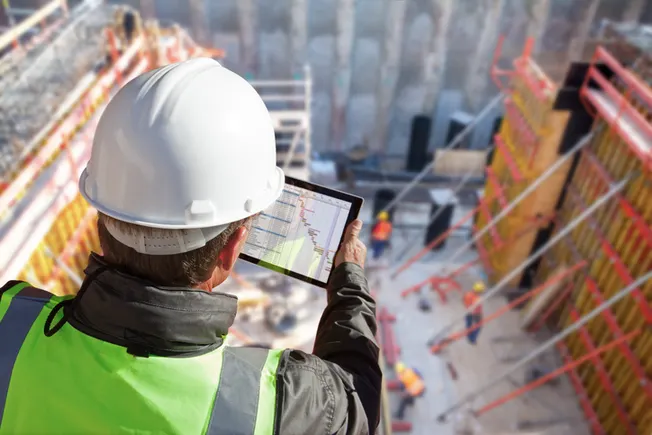
In an opinion piece for Construction Dive, Alok Chanani, co-founder and CEO of BuildOps, recounts a jobsight anecdote in which a second-year technician diagnosed a chiller fault in minutes using AI-augmented context that previously lived with a 20-year veteran. Chanani writes that skilled tradespeople are treating AI as a capability multiplier rather than a replacement, and that their primary question has shifted from "Will AI replace us?" to "How do we do this?" He attributes faster adoption to the physical, task-focused nature of field work, which encourages pragmatic, task-specific AI use cases. Chanani argues these patterns show the trades expanding what teams can do with AI-enabled knowledge capture and decision support on-site.
What happened
In an opinion piece for Construction Dive, Alok Chanani, co-founder and CEO of BuildOps, describes how tradespeople on jobsites are applying AI to practical, task-level problems. Chanani recounts an example where a second-year technician diagnosed a chiller issue in minutes by using contextual information that had previously been held by a 20-year veteran. Chanani frames the trend as tradespeople asking "How do we do this?" rather than worrying about whether AI will replace them.
Editorial analysis - technical context
Industry-pattern observations: Field technicians and service contractors typically work with high context, low-data artifacts: equipment histories, on-site visual cues, and informal heuristics. AI capabilities that capture and surface that context, for example, searchable maintenance histories, multimodal visual inspection aids, and conversational retrieval of past fixes, map directly onto those tasks. For practitioners, that implies near-term ROI comes from tooling that integrates knowledge capture, retrieval-augmented workflows, and simple diagnostic assistants rather than large-scale autonomous agents.
Context and significance
Chanani's piece highlights a broader pattern where hands-on sectors adopt AI for augmentation rather than automation. For ML teams, this shifts product priorities toward usability, on-device or low-latency inference, and robust handling of incomplete, noisy field data.
What to watch
Indicators an observer should follow include increased vendor offerings for field-focused multimodal assistants, adoption metrics for knowledge-capture workflows in service ops, and case studies showing measurable reductions in diagnostic time or repeat visits. Reporting by sector publications that quantify time-to-resolution gains or technician adoption rates will be the clearest evidence that the pattern Chanani describes is scaling beyond early adopters.
Editorial analysis
The Construction Dive piece is anecdotal and prescriptive in tone; Chanani speaks from the perspective of a software vendor for contractors, which is useful context when evaluating the examples and claimed benefits.
Key Points
- 1Field technicians adopt AI-first tools to capture tacit knowledge, reducing diagnostic time and improving consistency across crews.
- 2Practical AI ROI in trades favors lightweight, task-focused models and retrieval systems over full automation of physical labor.
- 3For ML/product teams, prioritizing low-latency multimodal assistants and knowledge-capture workflows yields faster adoption in field services.
Scoring Rationale
The story illustrates pragmatic, high-impact AI deployment patterns in a large vertical (construction/field services) that matter to practitioners building applied systems. It is not a model or infrastructure breakthrough but offers concrete product and data priorities for teams serving field operations.
Practice interview problems based on real data
1,625 SQL & Python problems across 15 industry datasets — the exact type of data you work with.
Try 250 free problems