
Top Film Schools Embrace Generative AI Training
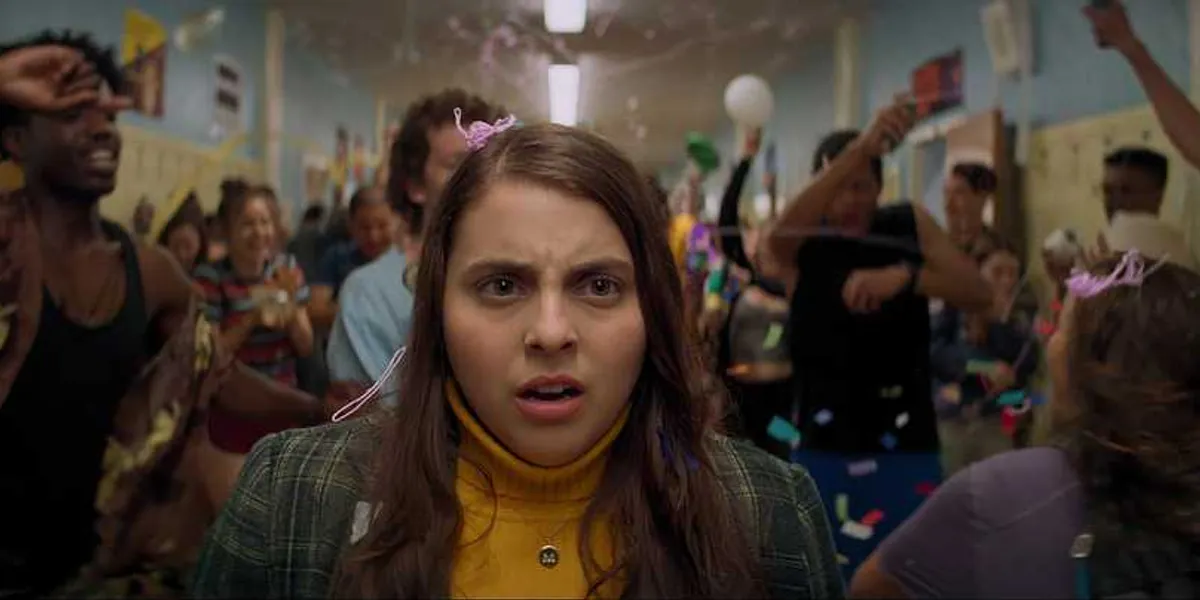
Top film programs including USC, NYU Tisch, and Chapman have recently formalized partnerships and labs to integrate generative AI into acting, directing, and production curricula. Schools are teaching students to work with deepfakes, digital doubles, AI-assisted script and storyboarding tools, and automated post-production workflows. The shift is framed as both a democratizing force that lowers technical barriers and a disruptive threat to traditional roles on set, raising legal and ethical questions about likeness rights, consent, and labor. Industry partners such as Adobe and philanthropic initiatives tied to organizations like Google.org are accelerating adoption. For practitioners, the immediate implications are new tooling in pipelines, revised skill sets for actors and crew, and an urgent need for policy, rights management, and reproducible evaluation of AI-generated assets.
What happened
Top US film programs, led by USC, NYU Tisch, and Chapman, announced a concentrated wave of AI initiatives and partnerships in a short span, signaling curriculum-level change across film education. Adobe is backing an actor-focused think tank at USC that trains performers to rehearse and shoot with digital doubles and deepfaked scene partners. Parallel investments and lab launches emphasize AI-driven script tools, automated editorial workflows, and AI-powered VFX and storyboarding environments.
Technical details
Film schools are integrating multiple generative AI capabilities into classroom and lab pipelines. Key practical elements include:
- •Automated creative tooling for pre-production and storyboarding that turns scripts into visual references and shot lists.
- •Generative visual effects and digital doubles, used for background replacement, virtual stand-ins, and augmenting crowd scenes.
- •Deepfake-driven scene practice where actors rehearse against synthesized performances and faces, training timing and eye-lines for virtual production.
- •AI-assisted editing and asset management that clusters takes, suggests cuts, and accelerates conform and color prep.
These modules combine commercial platforms, proprietary research tools, and open-source stacks; integration focuses on interoperability, asset provenance, and pipeline hooks for VFX and editorial departments. Schools are also emphasizing ethics modules and legal literacy around likeness rights, model consent, and dataset provenance.
Context and significance
This is not a novelty experiment. The move mirrors earlier democratizing shifts, such as consumer digital video and NLEs, but the technical friction is different. Generative AI lowers barriers to high-end visual effects and rapid iteration, which can broaden access for low-budget and diverse storytellers, a key argument in industry advocacy and sponsor messaging. At the same time, the technology poses concrete threats to labor models: roles traditionally protected by specialized craft knowledge, like background actors, certain VFX tasks, and assistant editorial work, may be compressed or reshaped. The academic adoption also accelerates industry norms: studios and vendors hiring graduates will expect fluency in AI-augmented workflows, and legal frameworks will be tested as students create synthetic likenesses of public figures and peers.
Why it matters for practitioners
Curriculum-level adoption changes incoming talent profiles. Directors and showrunners will see candidates who can both operate and critique generative pipelines. VFX supervisors must negotiate provenance, reproducibility, and liability when downstream assets derive from generative models. Actors will need practical training on performance capture paradigms that mix live and synthetic elements. For researchers and tool builders, film schools become controlled environments for iterating on compositing, real-time synthesis, and UX needs for creative tools.
What to watch
How schools translate classroom practice into contractual norms around likeness, credits, and reuse will set precedents. Monitor collaborations between educational programs and industry bodies (for example, philanthropic and coalition efforts linked to Google.org, Sundance, and Gotham) for standardized curricula, toolkits, and consent frameworks. Also watch whether accreditation bodies or guilds respond with new training or protections for crew roles.
Practical takeaways
Expect quicker adoption of generative modules in indie and student production, earlier integration of AI checkpoints in dailies and post, and growing demand for metadata-driven provenance systems to track model inputs and consent. Educators and studio technologists must prioritize reproducible pipelines and legal templates if the technology is to be both empowering and accountable.
Key Points
- 1Top programs are embedding generative AI into curricula, forcing new actor and crew skills for hybrid live-synthetic sets.
- 2Generative tools democratize VFX and storytelling, expanding creative access while threatening traditional production roles.
- 3Institutional partnerships and philanthropic programs will standardize training, shaping industry hiring and legal precedents.
Scoring Rationale
The coordinated adoption by elite film schools signals an important shift in workforce training and industry expectations, but it is incremental relative to frontier model or infrastructure breakthroughs. Immediate impact is high in creative production workflows and education, warranting a notable but not sector-shaking score.
Sources
Public references used for this report.

Practice with real Ad Tech data
90 SQL & Python problems · 15 industry datasets
250 free problems · No credit card
See all Ad Tech problems