Tesla Selects Intel 14A for Terafab Chip Production
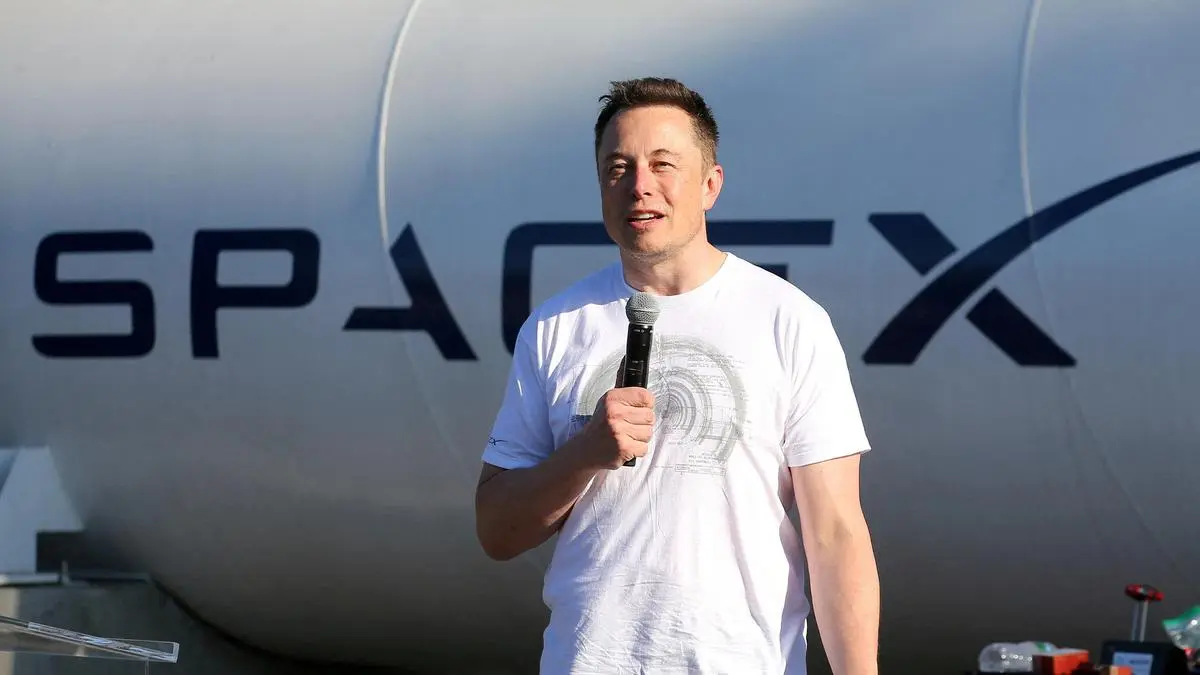
Tesla will use Intel's 14A process for chips produced at Elon Musk's Terafab complex, with Tesla building a pilot research fab at Giga Texas and SpaceX positioned to handle high-volume manufacturing. The near-term research line is expected to cost about $3 billion and produce a few thousand wafers per month; full Terafab ambitions have been described as much larger. The 14A node is still under development, so the plan effectively ties Tesla's future AI compute roadmap to a process that must mature. The move is a strategic win for Intel, which gains a marquee potential customer, while also underscoring Musk's urgency to secure AI semiconductor supply amid projected demand that could exceed existing global capacity.
What happened
Elon Musk announced that Tesla plans to use Intel's 14A fabrication technology for chips made at the Terafab complex, with Tesla responsible for a pilot research fab at Giga Texas and SpaceX lined up for high-volume manufacturing. Musk described a near-term research fab costing about $3 billion, capable of a few thousand wafers per month, and framed Terafab as a path to secure the chip supply needed for Tesla, Optimus humanoid robots, and xAI data-center workloads. He also stated an eventual Terafab target of one terawatt of computing capacity per year in public remarks.
Technical details
The plan centers on Intel's 14A process, a node positioned after 18A in Intel's roadmap that is not yet fully qualified in production. Musk said, "By the time Terafab scales up, 14A will be probably fairly mature or ready for prime time." Practical implications for practitioners include:
- •Potential licensing, tech-transfer, or foundry partnerships to deploy 14A technology at facilities operated by Musk-led entities
- •A staged build: a $3 billion research/pilot fab at Giga Texas for design validation and iterative experimentation, followed by higher-volume manufacturing under SpaceX stewardship
- •Near-term production volumes described as a few thousand wafers per month, insufficient for full product supply but adequate for R&D and pilot silicon
Context and significance
This move is material on three fronts. First, it is an operational signal that large AI consumers are moving from buying silicon to vertically integrating production capacity, driven by forecasts that demand will outstrip existing foundry output. Second, it represents a strategic commercial victory for Intel, which has struggled to regain leadership against TSMC and Samsung; landing Tesla as a marquee partner strengthens Intel's foundry narrative. Third, it exposes risk: 14A is still under development, so Tesla is betting on a future node maturing on schedule. That gamble links Tesla's AI timeline to a process technology that must hit yield and performance targets to justify Terafab economics.
Competitive and supply-chain implications
Securing a long-term route to advanced nodes could reshape bargaining power with external suppliers, including TSMC and Samsung, and may accelerate similar vertical moves by other hyperscalers and OEMs. For Intel, involvement could mean licensing or close technical collaboration rather than a pure customer-supplier deal. For practitioners, the practical consequence is a potential new source of advanced node capacity that could open alternative supply for AI accelerators, but with uncertainty on timelines and unit economics.
What to watch
Monitor concrete agreements between Intel and Musk entities (licensing terms, IP transfer, and capacity commitments), yield and qualification milestones for 14A, and funding or permitting signals that move Terafab from concept to large-scale construction. The critical open questions are timing, yield trajectories for 14A, and whether Terafab economics scale beyond pilot experimentation to high-volume, cost-competitive production.
Key Points
- 1Tesla tying Terafab to Intel's 14A shifts AI capacity strategy from buying chips to building nodes, aiming to secure future supply.
- 2Intel gains a marquee potential customer, improving its foundry credibility, but the 14A node is not yet production-ready.
- 3Terafab's staged approach-$3 billion pilot fab then high-volume manufacturing-reduces near-term volume risk but raises timeline and yield questions.
Scoring Rationale
Landing Tesla as a strategic partner for 14A is a notable industry development that strengthens Intel's foundry position and signals vertical integration by large AI consumers. The node's immaturity and uncertain timelines reduce near-term operational impact but make this a major strategic story for infrastructure planning.
Sources
Public references used for this report.
View 8 more sources
- Elon Musk says his TeraFab facilities will use Intel's 14A process technology to make AI chips — SpaceX will be responsible for high-volume chip manufacturing in likely Intel tech licensing dealtomshardware.com
- Tesla stakes AI dreams on Intel's unfinished AI chiptheregister.com
- Elon Musk says he’ll use Intel’s 14A chip technology for his ‘Terafab’oregonlive.com
- Tesla tap Intel's advanced 14A chip for Terafab projectdigitimes.com
- Elon Musk says Tesla will use Intel 14A technology at its $20bn ...datacenterdynamics.com
- Tesla selects Intel's 14A chip process for Terafab complexfinance.yahoo.com
- “14A seems like the right move”: Musk hands Intel a critical win | Ctechcalcalistech.com
- Intel gains after Musk says Tesla’s Terafab will use its 14A chipmaking processinvesting.com
Practice interview problems based on real data
1,625 SQL & Python problems across 15 industry datasets — the exact type of data you work with.
Try 250 free problems