Tesla Promises FSD China Approval Despite Delays
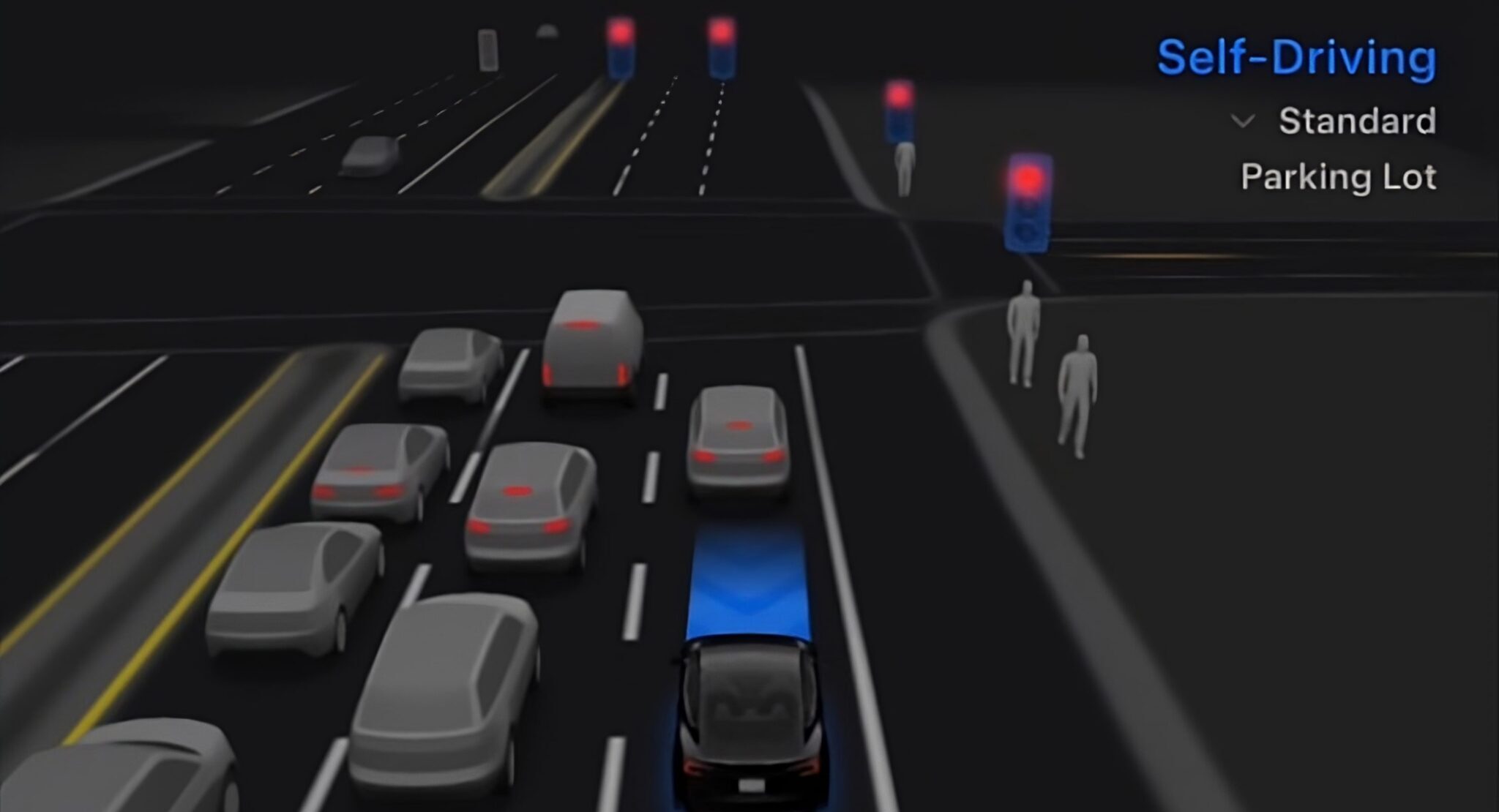
Tesla says it is working to launch its Full Self-Driving product in China "as soon as possible," but regulatory approval has been delayed repeatedly. Executives told investors the approval is now expected in Q3 2026, after Elon Musk publicly predicted a February or March timeline that did not materialize. Tesla has built out local infrastructure - a Shanghai data center, a mapping partnership with Baidu, and a domestic AI training site - to satisfy Chinese data and mapping rules, yet software rollouts in China remain constrained and must carry assisted-driver branding. The delay limits a major revenue opportunity tied to software subscriptions and robotaxi ambitions, raises pressure from customers and litigants who bought FSD on older hardware, and keeps Tesla dependent on local regulator discretion for commercial expansion.
What happened
Tesla continues to push for launch of its `FSD` product in China, saying it is working to introduce the system "as soon as possible," but regulators have repeatedly delayed approval. Executives told investors the go-live now targets Q3 2026, a reset from Elon Musk's earlier public expectations of February or March 2026. Bloomberg summarized the earnings-call line as "still not there," reflecting ongoing regulatory caution.
Technical details
Tesla has taken concrete steps to address China's data, mapping and compute requirements, but these are necessary, not sufficient, for approval. Key infrastructure and compliance moves include:
- •`Shanghai data centre`, established in 2021, to keep vehicle data inside China
- •A mapping partnership with Baidu to satisfy local HD-mapping restrictions
- •A local AI training centre that began operations in early 2026 to train neural nets domestically rather than relying on US-based Dojo clusters
Despite infrastructure work, the Chinese deployment of Tesla's driver-assist software has been limited by labeling and functional constraints after regulatory scrutiny. Regulators required SAE Level 2 systems to include the word "assisted" in branding, and Tesla's China updates since February 2025 have operated under those constraints. Hardware fragmentation also matters: many customers still have `HW3` systems while newer vehicles use `HW4`; Tesla has discussed upgrade paths and trade-in incentives but has not committed to universal free retrofits, which fuels legal and customer pushback.
Context and significance
For Tesla the China market is one of the largest addressable markets for recurring software revenue and potential robotaxi services. Winning regulatory approval unlocks subscription revenue and eases fleet-level deployment plans, but Chinese authorities are applying tighter scrutiny than some other markets, citing safety, marketing accuracy and data security. Tesla's approach mirrors a common autonomous-vehicle playbook: localize data and mapping, show auditability, and adapt messaging. However, regulators retain discretionary power and have demonstrated willingness to publicly contradict optimistic vendor timelines; state media pushed back on Musk's earlier timetable.
The delay also amplifies two industry dynamics practitioners should track: first, the mismatch between marketing timelines and operational readiness, which creates legal exposure and erodes customer trust; second, the technical gap between on-road supervised/assisted features and truly unsupervised autonomy. Tesla's public statements about robotaxi rollouts and unsupervised FSD expect software maturity on `HW4` and future chips, but those expectations remain unproven in wide deployment.
What to watch
Monitor three signals closely:
- •formal regulatory approvals or technical conditions published by Chinese authorities
- •Tesla software releases in China that change functional limits or remove assisted-only branding
- •the company's customer remediation path for `HW3` owners and any pricing or retrofit programs. Approval in the Netherlands for a supervised variant signals some international regulatory traction, but China remains uniquely consequential for scale and revenue
Key Points
- 1Tesla reset China FSD timing to Q3 2026, reflecting regulator-driven delays that undercut earlier public timelines.
- 2Domestic infrastructure, Shanghai data centre, Baidu mapping, local training centre, addresses compliance but not regulator discretion.
- 3Delays increase legal and commercial risk: customer lawsuits over promised autonomy and uncertain upgrade paths for older hardware.
Scoring Rationale
This is a notable development for practitioners in autonomous driving: it affects go-to-market timing, regulatory compliance patterns, and revenue forecasts, but it is not a frontier technical breakthrough or industry-altering policy decision.
Sources
Public references used for this report.
Practice interview problems based on real data
1,625 SQL & Python problems across 15 industry datasets — the exact type of data you work with.
Try 250 free problems