
Tesla Owners Use FSD for Most Trips
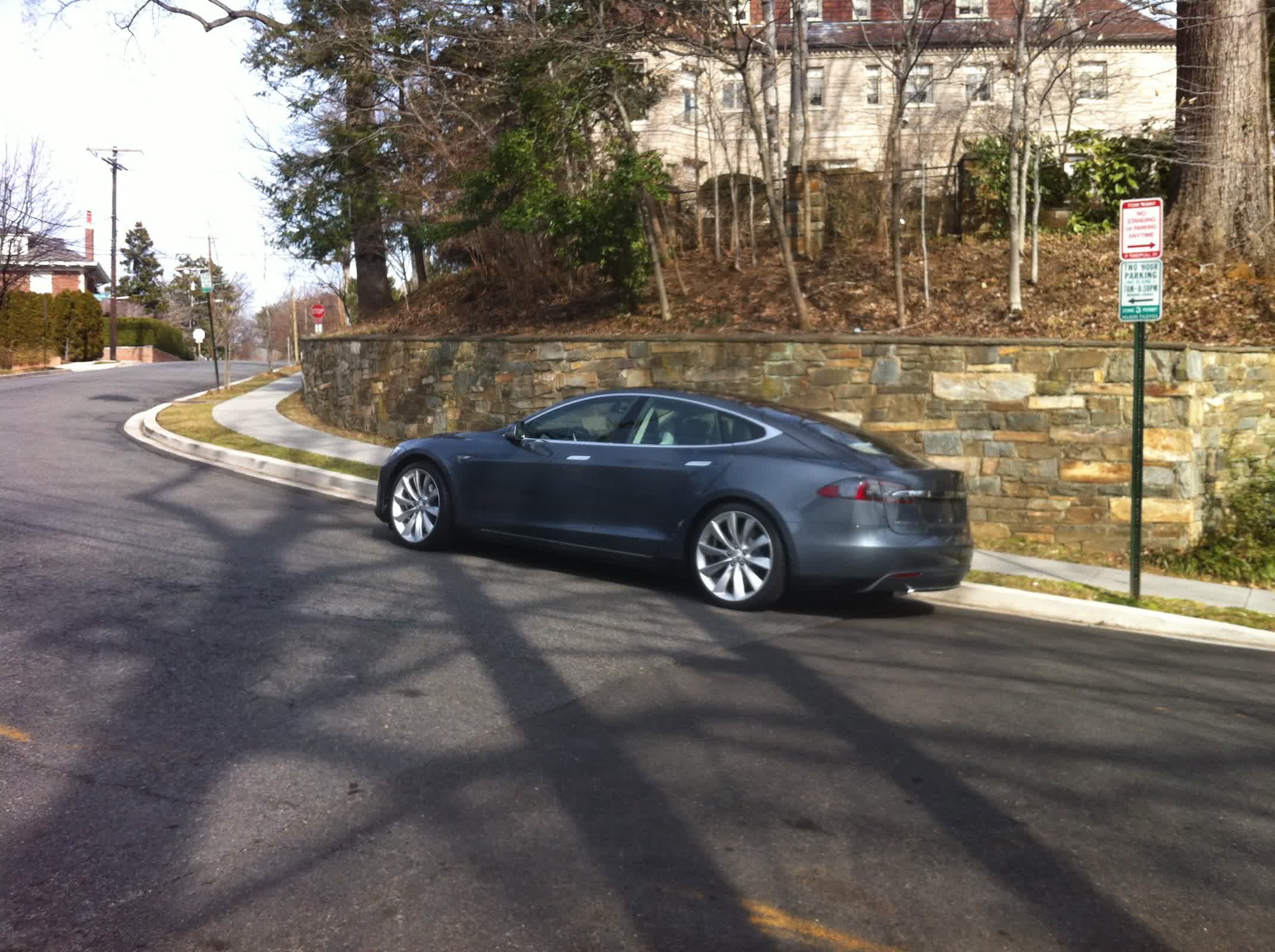
In recent accounts reported by TechSpot and Business Insider, Tesla drivers used Full Self-Driving (Supervised) for most routine trips, including one San Francisco Uber driver who estimated the system handled about 95% of his driving. The software remains a Level 2 driver-assistance system, meaning the driver is legally responsible at all times. The reports illustrate the gap between frequent automation use and active human supervision.
Tesla owners are using Full Self-Driving (Supervised) for a large share of routine driving, even though the software remains a Level 2 driver-assistance system that requires an attentive, legally responsible driver behind the wheel at all times, TechSpot reports.
Rohullah Hashimi, a full-time Uber driver using a 2026 base Model Y, told TechSpot that he relies on Tesla's advanced driver-assistance software about 95% of the time. During a reported San Francisco trip, the vehicle navigated city streets, a construction area, steep roads, and parking while Hashimi remained in the driver's seat.
Tesla's supervised system can steer, brake, and control speed, but it does not transfer legal driving responsibility to the software. TechSpot notes that California permits advanced driver-assistance systems while continuing to hold motorists responsible for vehicle operation, including laws prohibiting texting while driving.
Assistance versus autonomy
The distinction is material for both safety and product evaluation. TechSpot contrasts Tesla's Level 2 offering with Waymo's Level 4 service, which operates without a human driver in defined, mapped operating areas and uses cameras alongside other sensor types.
According to TechSpot, Elon Musk has promoted a lower-cost approach built around Tesla's vehicle fleet and the driving data it generates, rather than the more extensive hardware used in some robotaxi programs. That approach has not changed FSD Supervised's current classification or driver-responsibility requirements.
A January Business Insider test similarly described a driver using FSD for an estimated 90% to 95% of December trips, while emphasizing that Tesla required the driver to remain alert and at the wheel. The two accounts are individual experiences, not fleet-wide usage measurements or safety-performance evidence.
Why supervision remains central
For ML and autonomy practitioners, frequent use of a supervised feature is not equivalent to autonomous operation. Level 2 systems may automate portions of the driving task, but the human remains the fallback for perception failures, unusual road geometry, emergency vehicles, and other edge cases.
The reported experiences show how sustained exposure to capable automation can make the operational boundary more difficult for users to interpret. The practical question is therefore not only how often the system completes a trip without intervention, but whether drivers maintain the attention and takeover readiness required by its operating design.
Key Points
- 1Tesla FSD Supervised is reportedly handling much of some owners' driving, while its Level 2 classification keeps legal responsibility with drivers.
- 2Individual reports of 90% to 95% automated-trip usage demonstrate adoption behavior, not validated fleet-wide safety or autonomy performance.
- 3The reports illustrate that high automation frequency can complicate users' understanding of active-supervision and takeover requirements.
Scoring Rationale
The report concerns a widely deployed advanced driver-assistance system and the safety-critical distinction between supervised automation and autonomous driving. It does not disclose a new model, product release, regulatory action, or fleet-wide safety dataset, limiting its direct technical impact.
Sources
Public references used for this report.
Practice with real Ad Tech data
90 SQL & Python problems · 15 industry datasets
250 free problems · No credit card
See all Ad Tech problems

