
Tele-MANAS Sees Rise in Callers Choosing Human Counselors
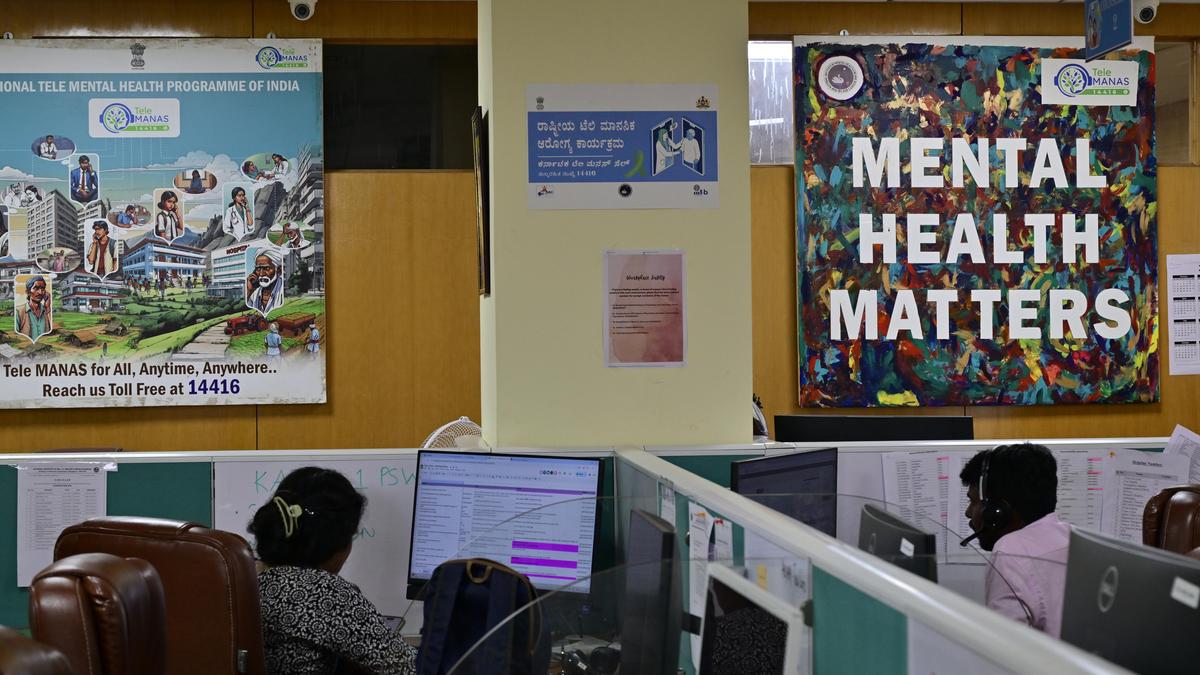
Reporting in the Times of India and TheSouthFirst describes an increase in callers returning to the government-run Tele-MANAS helpline after trying AI chatbots for mental-health support. The helpline, launched October 10, 2022, is toll-free at 14416 and offers 24/7 counselling in multiple languages, per the Tele-MANAS site. Government and media sources give differing call totals: the Press Information Bureau reported 14.7 lakh calls over two years as of October 2024, a Lok Sabha reply cited 1,176,000 calls (reported by MedIndia), and TheSouthFirst reported over 34 lakh calls since 2022. Media coverage (Times of India, TheSouthFirst) attributes the renewed demand to young callers preferring human empathy and to chatbots sometimes directing users to helplines. For practitioners, the reporting highlights gaps where human-led services remain essential for crisis detection, escalation, language coverage, and empathetic engagement.
What happened
Reporting by the Times of India and TheSouthFirst describes a rise in people, especially young callers, turning to the government-run Tele MANAS mental-health helpline after attempting to use AI chatbots for support. The Tele MANAS programme was launched on October 10, 2022, and operates a toll-free number, 14416, with 24/7 availability and multilingual support, per the programme website. The Press Information Bureau reported 14.7 lakh calls served in the first two years (PIB, Oct 2024). A Lok Sabha reply cited in MedIndia put the helpline's handled calls at 1,176,000 as of the minister's statement. TheSouthFirst and Times of India feature reporting that some callers who tried AI chatbots later contacted Tele-MANAS when the automated tools did not meet their needs, and that helpline operators are again receiving substantial volumes of calls.
Editorial analysis - technical context
Public reporting frames the gap as arising where conversational AI and chatbots hit limits on crisis handling, culturally nuanced empathy, and reliable escalation. Industry-pattern observations: automated chat assistants often lack regulated clinical training data, robust crisis-detection pipelines, and seamless human handoff mechanisms, all of which are necessary for safe mental-health workflows. For multilingual national deployments, gaps in local-language performance and culturally contextual responses frequently surface, increasing reliance on human counselors.
Context and significance
For ML engineers and product teams building mental-health applications, the coverage reinforces established safety and evaluation priorities, accurate crisis classification, measurable escalation protocols, and human-in-the-loop design. The mixed public figures for call volumes (PIB, MedIndia, TheSouthFirst) also underscore challenges in cross-source reporting and the need for clear operational metrics when assessing digital mental-health scale and impact.
What to watch
- •Emerging projects or pilots that integrate automated triage with live counselor handoff, as reported by mainstream outlets or government updates.
- •Any official statistics or dashboards from the Ministry of Health that reconcile call-count discrepancies and provide time-series trends.
- •Research or benchmark work that evaluates conversational agents on crisis detection, multilingual performance, and escalation success rates.
Editorial analysis
Observers and practitioners should treat the recent coverage as a reminder that building safe, scalable mental-health AI requires rigorous evaluation, formalized escalation pathways, and careful alignment with local language and cultural norms rather than relying on conversational fluency alone.
Key Points
- 1Media reporting shows increased preference for human counselors after AI chatbots fall short on crisis handling and empathy, highlighting safety gaps.
- 2Discrepant call totals across PIB, Lok Sabha replies, and media reporting point to inconsistent public metrics for national helpline scale.
- 3For developers, the episode reinforces priorities: robust crisis-detection, vetted human handoff, and strong multilingual evaluation before deployment.
Scoring Rationale
The story matters to practitioners because it highlights real-world limits of conversational AI in mental-health settings and emphasizes safety, escalation, and multilingual evaluation. It is notable but not frontier-breaking; implications are important for applied teams and product leads.
Sources
Public references used for this report.
Practice with real Health & Insurance data
90 SQL & Python problems · 15 industry datasets
250 free problems · No credit card
See all Health & Insurance problems
