Suspect Targets Sam Altman's Home with Molotov Cocktail
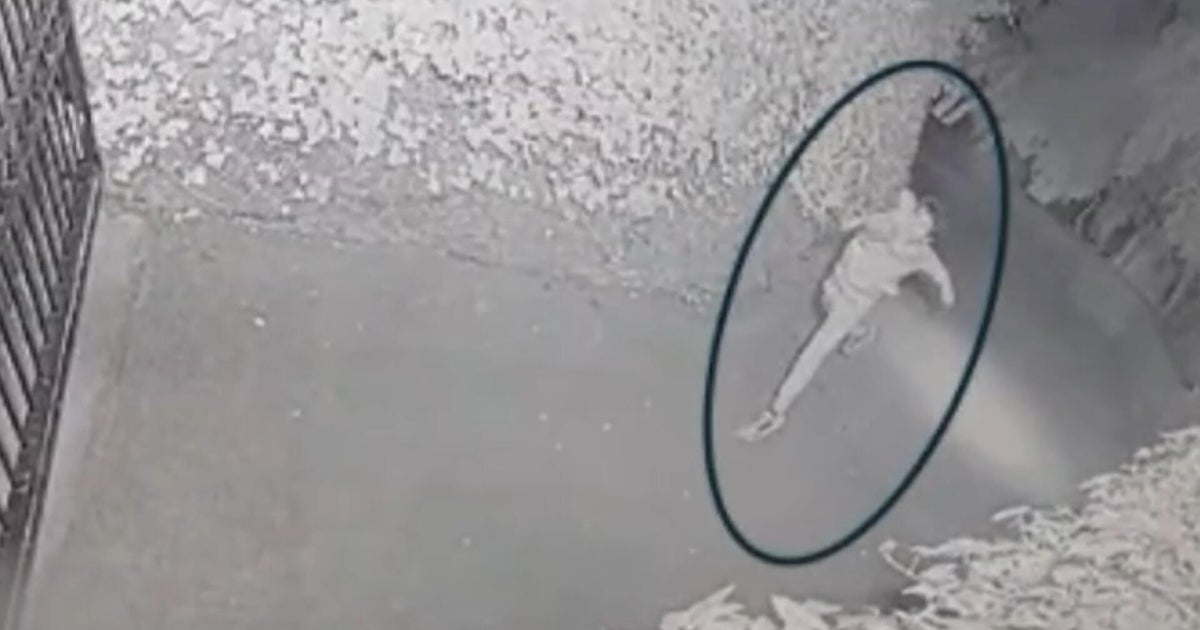
Surveillance photos and court documents identify Daniel Moreno-Gama, a 20-year-old from Texas, as the man who allegedly threw a Molotov cocktail at Sam Altman's San Francisco home in the early hours of April 10. The device ignited an exterior gate but caused only minimal damage and no injuries. Moreno-Gama is accused of then going to OpenAI's San Francisco headquarters, breaking doors, and threatening to burn down the building and kill occupants. Authorities found a lengthy anti-AI manifesto on him and recovered incendiary materials. He faces state charges including attempted murder and arson, plus federal counts for explosives and possession of an unregistered firearm. Federal agents executed search activity at his home in Spring, Texas, and investigators are treating motives tied to anti-AI extremism as central to the inquiry.
What happened
Surveillance images and court filings show Daniel Moreno-Gama, a 20-year-old man from Texas, outside Sam Altman's San Francisco residence at approximately 3:37 a.m. on April 10, where prosecutors say he threw a Molotov cocktail that ignited a metal perimeter gate. Less than an hour later he is alleged to have appeared outside OpenAI's San Francisco office, identified as MB1, where he smashed doors and threatened to "burn it down and kill anyone inside." No one was injured.
Technical details
The criminal complaint and media releases describe forensic and eyewitness evidence that links the same individual to both locations. At arrest officers and investigators recovered multiple items and documents. Key items listed in filings include:
- •incendiary devices, a jug of kerosene, and a blue lighter
- •a 23-page document expressing anti-AI views and calling for violence against AI developers
- •surveillance stills showing a hooded individual tossing an incendiary object at the gate
Federal prosecutors have charged Moreno-Gama with two federal counts: damage and destruction of property by means of explosives and possession of an unregistered firearm. San Francisco authorities, led by District Attorney Brooke Jenkins, added state charges including attempted murder, arson-related counts, and multiple counts that could carry a sentence of 19 years to life if convicted. U.S. Attorney Craig Missakian stated, "if the evidence shows that Mr. Moreno-Gama executed these attacks to change public policy or to coerce government or other officials, we will treat this as an act of domestic terrorism." The FBI conducted search activity at the suspect's Spring, Texas residence, where agents spent several hours collecting evidence.
Context and significance
This incident is a violent escalation in a broader pattern of threats and harassment directed at prominent AI figures and organizations. The combination of a physical attack, a public manifesto, and explicit threats against employees shifts the event from a criminal act to a matter of corporate and public safety, law enforcement coordination, and counter-extremism. For security teams at AI firms and for practitioners engaged in policy and risk work, several practical vectors matter: physical protection of senior staff and offices, threat monitoring for ideologically motivated actors who conflate technology development with existential risk, and legal thresholds for prosecuting ideologically driven violence as domestic terrorism.
Operational implications
Companies should assume that targeted individuals and marquee offices increase the likelihood of copycat threats and should reassess perimeter controls, visitor flows, access logging, and collaboration with local and federal law enforcement. The presence of a written manifesto and the suspect's interstate travel also raise investigative and prosecutorial issues, including use of federal anti-terror statutes, electronic communications analysis, and interagency evidence sharing.
What to watch
Prosecutors will clarify whether federal terrorism statutes are applied and whether additional charges follow after forensic analysis of seized materials. Security practitioners should monitor guidance from OpenAI and law enforcement about protective measures and threat indicators tied to anti-AI extremism.
Bottom line
The attack is a concrete reminder that debates about AI risk can radicalize individuals. Expect heightened security posture across the sector, closer law enforcement engagement with AI companies, and renewed discussion about how public discourse intersects with personal safety for AI leaders and researchers.
Key Points
- 1Surveillance photos and documents link a 20-year-old suspect to a Molotov attack on Sam Altman and threats at OpenAI headquarters, raising physical-safety concerns.
- 2Investigators recovered incendiary materials and a 23-page anti-AI manifesto, shifting the inquiry toward ideologically motivated violence and potential domestic terrorism charges.
- 3The incident forces AI organizations to harden physical security, improve staff protection protocols, and coordinate with federal and local law enforcement.
Scoring Rationale
A violent, ideologically motivated attack on a high-profile AI executive directly affects practitioner safety and corporate risk management. The case is notable for potential domestic terrorism implications and sector-wide security responses; freshness reduces the score slightly.
Sources
Public references used for this report.
View 5 more sources
- Molotov Cocktail Is Hurled at Home of Sam Altman, OpenAI's CEOnytimes.com
- Meet the man accused of throwing a Molotov cocktail at Sam Altmanfortune.com
- Man charged after allegedly throwing Molotov cocktail at OpenAI ...abc7chicago.com
- Suspect Arrested for Allegedly Throwing Molotov Cocktail at Sam ...wired.com
- Sam Altman's home targeted in second attack; two suspects arrestedsfstandard.com
Practice interview problems based on real data
1,625 SQL & Python problems across 15 industry datasets — the exact type of data you work with.
Try 250 free problems