Policy & Ethicsfirst amendmentfree speechlegal doctrinecivil liberties
Supreme Court Creates Fighting-Words First-Amendment Exception
6.1
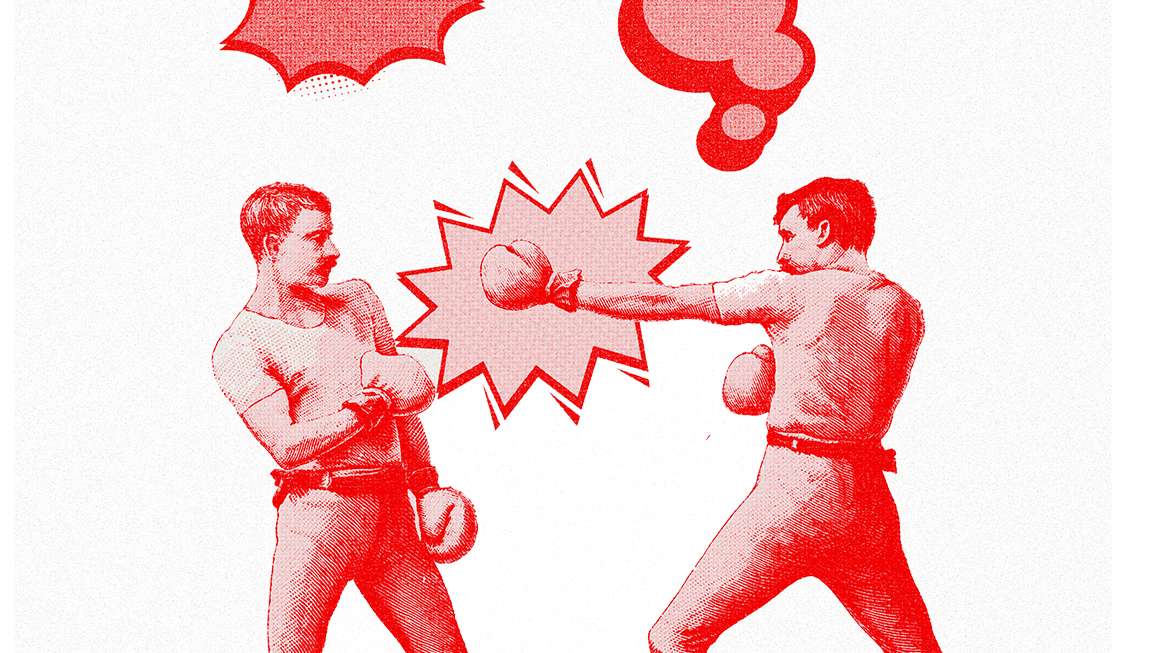
An analysis traces the U.S. Supreme Court's 1942 Chaplinsky v. New Hampshire decision, which created the vague 'fighting words' exception to the First Amendment, to contemporary debates over punishing offensive speech. It notes recent statements by Vice President J.D. Vance after an ICE-related killing and politicians urging prosecutions, and explains how the doctrine still influences lower courts and public-policy disputes about speech restrictions.
Key Points
- 1Establishes Chaplinsky fighting-words exception in 1942, excluding certain abusive speech from First Amendment protections
- 2Enables government officials to justify restricting offensive speech based on anticipated public reaction and disorder
- 3Affects modern prosecutions, policy debates, and legal strategies in protest-related free-speech and policing cases
Scoring Rationale
Clear legal-historical analysis of a lasting Supreme Court doctrine; limited novelty and low relevance to core AI/ML topics.
Practice interview problems based on real data
1,625 SQL & Python problems across 15 industry datasets — the exact type of data you work with.
Try 250 free problems