Subnautica 2 Developers Confirm No Generative AI
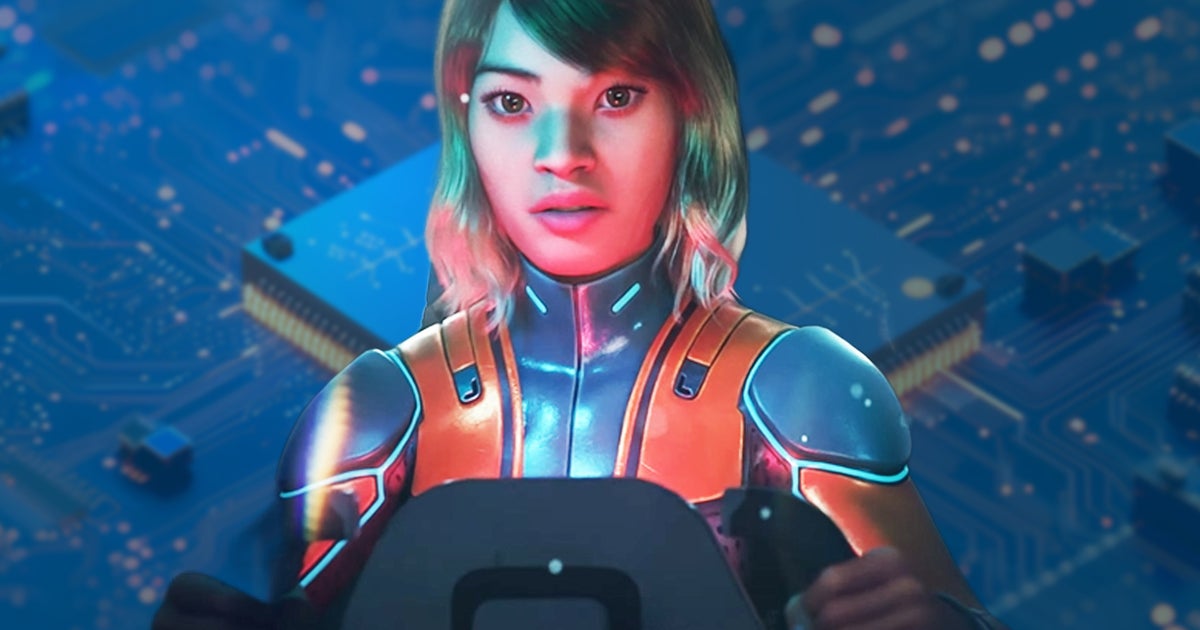
Unknown Worlds Entertainment, developer of Subnautica 2, says no generative AI was used in the game's development. In an interview with Eurogamer, creative media producer Scott MacDonald stated, "No, we're not using generative AI in Subnautica 2 at all," and described the game's systems as "all traditional person-done," citing Unity Blackboard and hand-authored creature AI. Community manager Donya Abramo reiterated in a Discord post, "We're not using generative AI to develop Subnautica 2," and pointed to the studio's use of established "classic AI" behavior trees, per reporting by GameSpot and Yahoo. Reporters note this stance sits alongside publisher Krafton's October announcement to adopt an "AI-first" strategy; Eurogamer and Screenhub report that Krafton made tools available to its studios but did not mandate their use.
What happened
Unknown Worlds Entertainment told multiple outlets that Subnautica 2 was developed without the use of generative AI. Per Eurogamer, creative media producer Scott MacDonald said, "No, we're not using generative AI in Subnautica 2 at all," adding that development is "all traditional person-done" and that the team uses Unity Blackboard and hand-authored creature AI. Reporting by GameSpot and Yahoo cites a Discord post from community manager Donya Abramo that states, "We're not using generative AI to develop Subnautica 2."
Technical details
According to reporting by Yahoo and GameSpot, the team uses what it calls "classic AI" - behavior trees and handcrafted systems - for creature reaction and gameplay logic. GameSpot and Yahoo quote AI gameplay lead engineer Antonio Muñoz Gallego describing those systems as iterative, human-authored AI work rather than output from generative models.
Editorial analysis - technical context
Studios that rely on behavior trees, bespoke animation and tightly tuned gameplay code often face high integration costs when introducing generative workflows. For practitioners: integrating generative models into real-time game loops typically requires additional validation, asset pipelines, and QA investments, which can outweigh short-term productivity gains for teams with mature pipelines.
Context and significance
Reporting by Eurogamer and Screenhub places Unknown Worlds' stance against the backdrop of Krafton's October announcement to become an "AI-first" company, a move Screenhub describes as attracting criticism. Eurogamer notes Krafton outlined a strategy to "prioritise AI as a central and primary means of problem-solving" in a public statement. Industry observers will read this as an example of divergence between publisher-level tool availability and studio-level adoption choices.
What to watch:
Editorial analysis
Monitor whether other studios under publisher umbrellas follow a similar pattern of selective adoption. Useful indicators are explicit mandates in publisher policy documents, public statements from studio leads about pipeline changes, and concrete examples of generative assets shipping in major titles. Legal and IP rulings affecting generative training data will also materially influence adoption decisions.
Key Points
- 1Developers often reject generative AI when existing pipelines and handcrafted systems deliver required quality and predictability for gameplay.
- 2Publisher-provided AI tooling plus optional access does not equal studio adoption; tool availability and mandates diverge in practice.
- 3For practitioners, game dev adoption of generative AI hinges on integration cost, QA burden, and evolving legal clarity around training data.
Scoring Rationale
The story is notable to practitioners because it highlights real-world adoption limits for generative AI in a high-profile game project and contrasts publisher ambition with studio-level workflows. It is not a landmark technical or regulatory event, hence a mid-level impact.
Sources
Public references used for this report.
Practice interview problems based on real data
1,625 SQL & Python problems across 15 industry datasets — the exact type of data you work with.
Try 250 free problems