Students Approve Nonbinding AI Rules for Schools
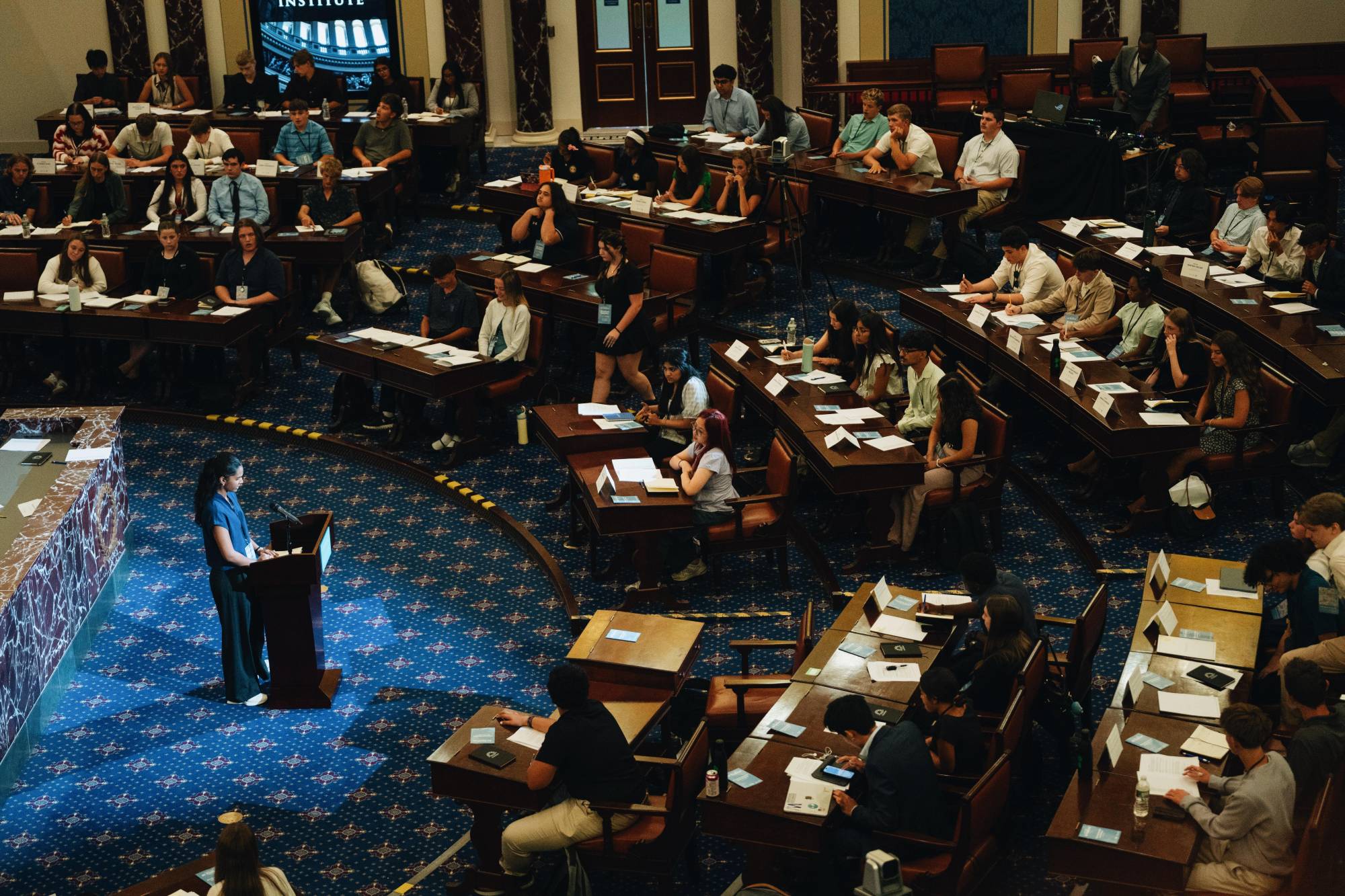
Ninety-eight teenagers representing all 50 states approved a nonbinding school-AI proposal in a mock Senate session in Boston, with the vote reported as 83-15. The Students First Act calls for early AI literacy, limits on AI during graded tests, disclosure of AI use, and written classroom rules; AASA plans to share it with 10,000 school leaders.
Ninety-eight teenagers representing all 50 states drafted and approved a nonbinding proposal for how schools should govern artificial intelligence. The students met at the Edward M. Kennedy Institute in Boston and used a mock Senate process to debate the measure, which NPR called the Students First Act.
The 74 reported an 83-15 final vote. The exercise does not create law or binding district policy, but AASA, the School Superintendents Association, plans to distribute the proposal to 10,000 school leaders who are developing local AI rules.
What the students proposed
NPR reported that the student section contains 15 provisions. Among the proposals:
- •begin AI-literacy instruction when students first receive classroom devices;
- •prohibit AI use on graded tests;
- •require students to disclose and cite permitted AI use;
- •allow oral defenses or handwritten assessments when mastery needs to be demonstrated; and
- •require teachers to publish a clear AI-use policy each semester.
The proposal allows uses such as brainstorming, editing, and studying after eighth grade while opposing AI-written work that substitutes for a student's own thinking. It also addresses misinformation, plagiarism, model bias, privacy, environmental costs, and unequal access to instruction.
Why the process matters
The event was organized with the Kennedy Institute, AASA, and Day of AI, a nonprofit that grew from MIT's RAISE AI-literacy initiative. The 74 described the effort as an AI Bill of Rights for schools and reported that students debated concerns ranging from false cheating accusations to cognitive offloading and diminished in-person interaction.
For school leaders, the proposal is best treated as structured student input rather than a finished national standard. Its value is that it makes student expectations testable: policies should state when AI is allowed, require evidence of learning, and apply transparency rules to teachers as well as students. Districts would still need to translate those principles into enforceable procedures, accommodations, privacy safeguards, and funding plans.
Key Points
- 1Ninety-eight students from all 50 states approved the nonbinding proposal in a mock Senate process.
- 2The reported vote was 83-15, and the student section contains 15 provisions on literacy, testing, disclosure, and mastery.
- 3AASA plans to distribute the Students First Act to 10,000 school leaders, but it is not law or binding policy.
Scoring Rationale
The proposal provides unusually concrete student-authored policy input and will reach a large school-leader network, but it remains nonbinding and requires district-level implementation.
Sources
Public references used for this report.
Practice interview problems based on real data
1,625 SQL & Python problems across 15 industry datasets — the exact type of data you work with.
Try 250 free problems