SpaceX Flags Orbital AI Data Centers' Commercial Risks
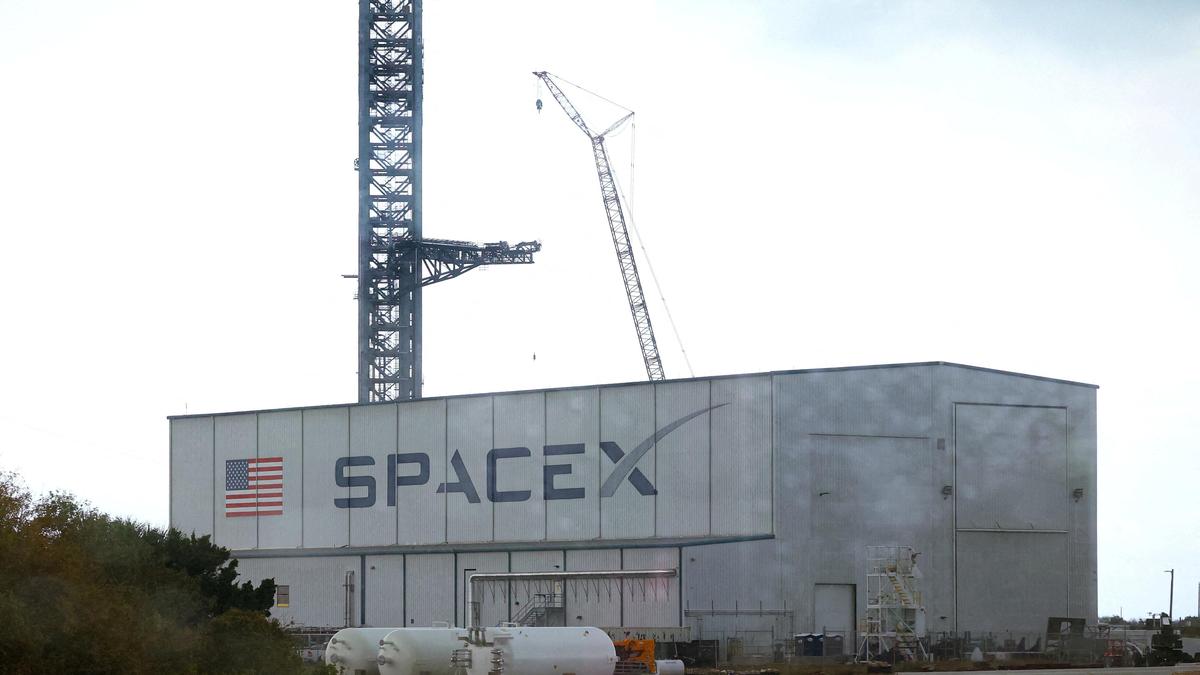
SpaceX, in its pre-IPO S-1 filing, warns that plans for orbital AI compute and in-orbit, lunar, and interplanetary industrialization remain early-stage and may not achieve commercial viability. The filing explicitly cites the harsh, unpredictable conditions of space, unique failure modes, and significant technical complexity as business risks. SpaceX also highlights heavy reliance on its Starship rocket for growth, noting delays or setbacks could materially affect timelines. The company disclosed rising AI infrastructure spending but said it still trails major hyperscalers such as Meta in that area. The cautionary language is intended to inform investors and limit legal exposure ahead of a potential IPO.
What happened
SpaceX filed a pre-IPO S-1 that explicitly warns its ambitions to develop orbital AI compute and to industrialize in-orbit, lunar, and interplanetary environments are early-stage, technically complex, and "may not achieve commercial viability," according to the excerpt. The document also flags dependence on Starship as a growth vector that, if delayed, could impair business plans. The filing notes increased spending on AI infrastructure while acknowledging the company still trails major cloud and social-media hyperscalers such as Meta.
Technical details
The S-1 frames the risks in operational and engineering terms. Space-based compute faces unique constraints compared with terrestrial data centers: radiation hardening, thermal control, vacuum-compatible components, limited repairability, and high launch and deployment costs. The filing highlights the potential for space-specific failure modes that could cause malfunctions or total loss. The company calls out three classes of risk to investors:
- •launch and deployment risk tied to vehicle availability and cadence, principally Starship delays or failures
- •environmental and hardware risk from space radiation, thermal cycling, and micrometeoroids
- •economic and competitive risk given high capital intensity and established terrestrial hyperscaler advantages
Context and significance
This filing is a calibrated, risk-forward statement typical before a public listing, but it also provides the clearest admission yet from a major space and AI player that orbital compute remains speculative. For infrastructure planners and ML engineers, the key takeaway is that orbital AI is not a near-term substitute for terrestrial GPU farms on cost, scale, or reliability. Hyperscalers are likely to continue dominating high-density training and inference until spaceborne platforms can demonstrate dramatically lower latency, lower total cost of ownership, or exclusive capabilities. The mention of increased AI infrastructure spending signals ongoing internal investment, but the admission that SpaceX still "lags" companies like Meta underscores the gap.
What to watch
Monitor S-1 updates for quantified capital commitments, launch cadence targets for Starship, and any technical milestones such as in-orbit demonstrations or partnerships with cloud providers. These will determine whether orbital AI moves from concept to a defendable infrastructure niche.
Key Points
- 1SpaceX warns orbital AI and interplanetary industrialization remain early-stage, signaling limited near-term commercial feasibility.
- 2Reliance on Starship launch cadence creates a single-point timing risk that could delay any space-based compute rollout.
- 3High capital and operational costs, plus hyperscaler advantage on Earth, mean orbital AI must show unique technical or economic benefits to compete.
Scoring Rationale
The S-1 filing provides a notable, actionable signal about the maturity and risk profile of space-based AI infrastructure, affecting long-term planning for compute availability. It is important for infrastructure and strategy teams but is not an immediate technological breakthrough.
Sources
Public references used for this report.
Practice interview problems based on real data
1,625 SQL & Python problems across 15 industry datasets — the exact type of data you work with.
Try 250 free problems