
Singapore Polytechnics Expand Autonomous Mobility Training
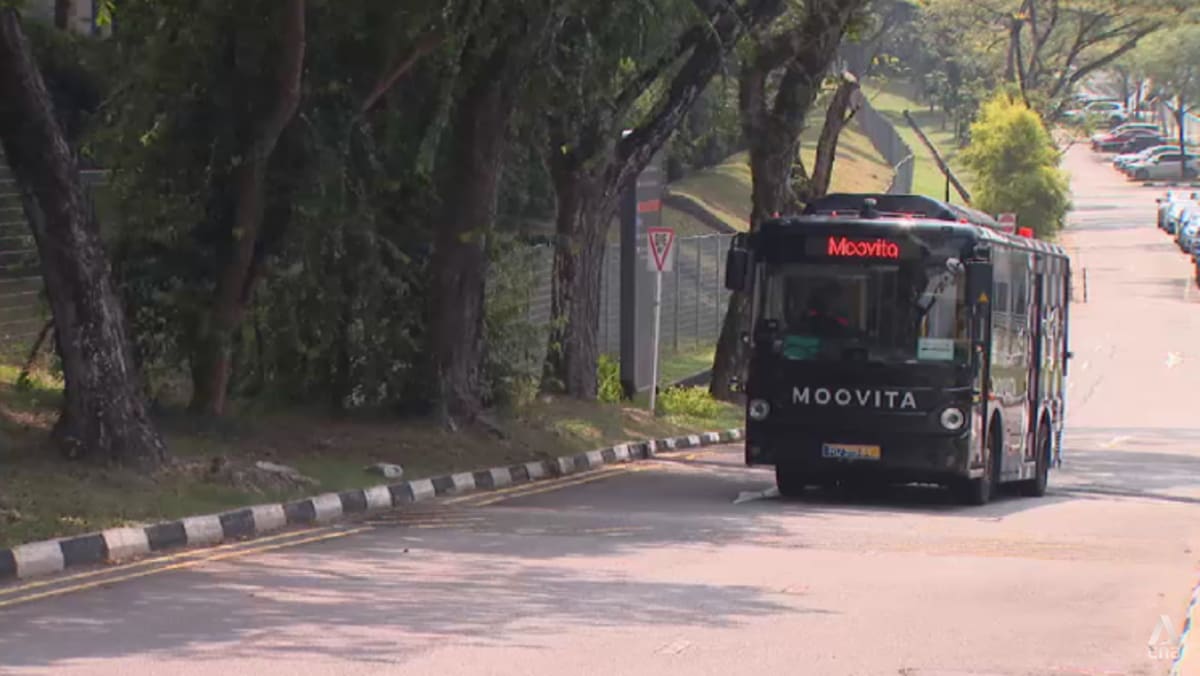
On Aug. 19, Singapore polytechnics were strengthening autonomous-mobility training with longer internships, driver-assistance coursework and industry engagement to build cross-disciplinary skills. Ngee Ann Polytechnic is considering internships of up to a year for selected courses and exploring collaboration with LTA's Centre for Autonomous Mobility, while Republic Polytechnic offers a mobility and robotic systems diploma with industry immersion options.
Singapore polytechnics are expanding training connected to autonomous mobility as the sector requires skills spanning software, hardware and artificial intelligence, CNA reported on Aug. 19. The curriculum activity includes longer workplace placements, autonomous-vehicle exposure and instruction related to advanced driver-assistance systems (ADAS).
At Ngee Ann Polytechnic (NP), third-year electronic and computer engineering student Shawn Lee is completing a 22-week internship with autonomous-vehicle operator MooVita, CNA reported. His work includes mapping routes before self-driving shuttle deployments and testing vehicle responses to road scenarios.
CNA reported that NP is considering extensions of selected internships to as long as one year. The institution is also exploring a tie-up with the Land Transport Authority's (LTA) Centre for Autonomous Mobility, which CNA reported could include learning journeys and sessions with industry experts. These are exploratory activities, rather than announced programme changes.
Curriculum and placement pathways
Other Singapore institutions already advertise formal mobility-focused offerings. Republic Polytechnic's Diploma in Mobility & Robotic Systems covers intelligent mobility systems and robotic platforms for transporting people and cargo, according to the polytechnic's programme page. It lists a 20-week Industry Immersion Programme and an optional 16-week extension, with named organisations including LTA, SBS Transit, SMRT, Omron, SICK and Siemens.
The Institute of Technical Education's part-time Certificate of Competency in Autonomous Vehicles & Advanced Driver Assistance Systems provides 17 hours of instruction. Its published learning outcomes include calibrating perception-sensor systems and evaluating automated-driving-system solutions, capabilities and performance.
ADAS and autonomous-driving systems combine sensing hardware, perception software, control systems and vehicle-integration work. The training scope spans sensor calibration, operational constraints and evaluation of automated-driving behavior.
Why the training emphasis matters
CNA describes the expanding programmes as a response to demand for cross-disciplinary talent in autonomous mobility. In comparable transport-automation ecosystems, longer industry placements can give students access to field testing, route mapping and system-validation workflows that are difficult to reproduce solely in classroom laboratories.
For data and ML practitioners, the reported focus on perception sensors and driving-system evaluation is relevant because autonomous-vehicle performance depends not only on model development but also on sensor quality, scenario coverage, safety validation and deployment conditions. Publicly advertised curricula do not establish how individual employers will recruit or what technologies they will use, but they document a growing education pipeline around those technical foundations.
Key Points
- 1CNA reports that Singapore polytechnics are extending autonomous-mobility exposure through internships, ADAS instruction and potential industry collaboration.
- 2Republic Polytechnic advertises industry immersion options alongside mobility and robotics training, connecting transport systems education with workplace experience.
- 3Comparable autonomous-mobility programmes require practitioners to combine ML perception knowledge with sensor calibration, validation and vehicle-systems engineering.
Scoring Rationale
The story documents a workforce-development response to autonomous mobility's need for cross-disciplinary engineering and AI skills. It is relevant to practitioners working on intelligent transportation, perception and deployment validation, but it does not announce a new model, major deployment or broad platform release.
Sources
Public references used for this report.
Practice with real Ad Tech data
90 SQL & Python problems · 15 industry datasets
250 free problems · No credit card
See all Ad Tech problems

