Seth Rogen Criticizes AI Use in Screenwriting
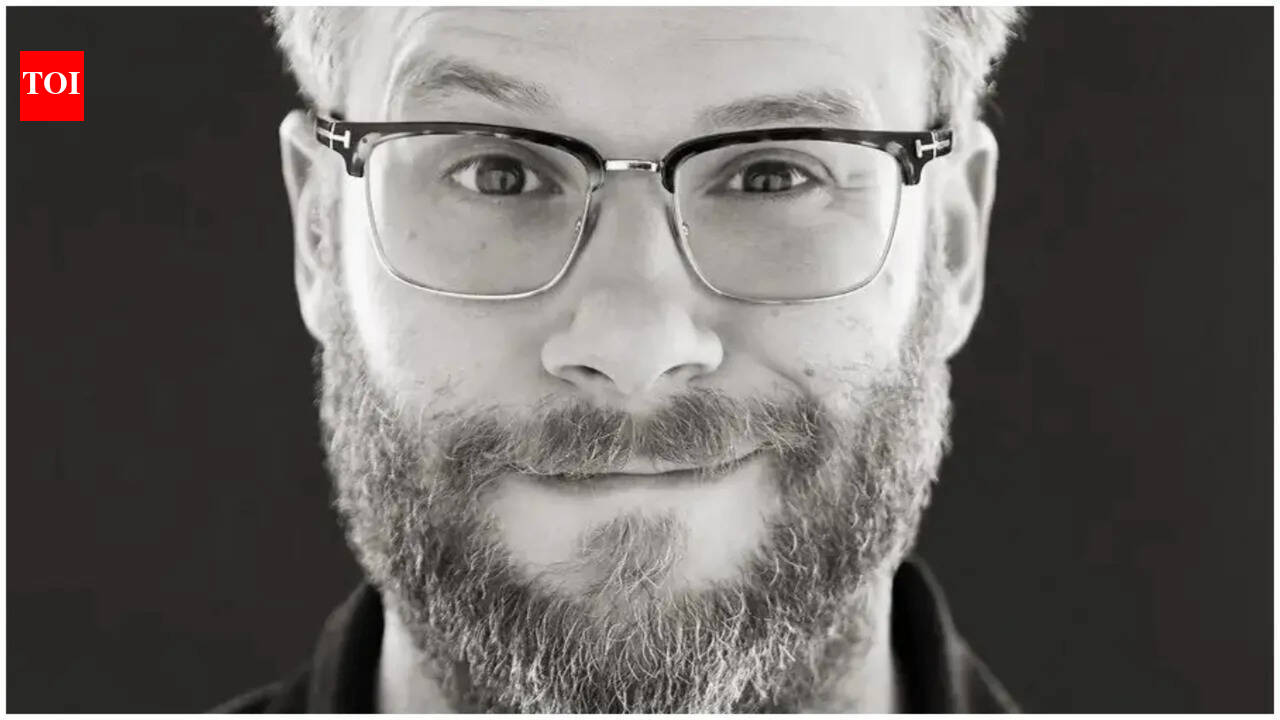
At the 2026 Cannes Film Festival, actor-filmmaker Seth Rogen told Brut America that writers who default to artificial intelligence should "go do something else," arguing in the interview that using AI to shortcut the writing process means the person is not writing (quote reported by Dawn and other outlets). Rogen was promoting the hand-drawn animated film Tangles during the interview, and several reports note the production emphasized human-driven craft (AOL, Yahoo). Reporting by Dawn and others also places Rogen's remarks against a wider industry backdrop: the Academy of Motion Picture Arts and Sciences recently updated rules restricting AI-generated performers and requiring screenplays to be authored by a person (reported by Dawn). The comments add to an ongoing public debate about generative AI in film and writing rooms.
What happened
In an interview with Brut America at the Cannes Film Festival, actor and filmmaker Seth Rogen criticized the use of artificial intelligence in screenwriting, saying, "If your instinct is to use AI and not go through that process, you shouldn't be a writer" (quote from the Brut America interview, reported by Dawn, Yahoo and AOL). Rogen added, "The idea of a tool that makes me write less is not appealing to me, because I like writing," in the same interview (reported by AOL and Yahoo).
What else was reported
News outlets covering the interview noted Rogen was at Cannes promoting the hand-drawn animated film Tangles, and several articles report the production emphasized traditional, human-driven craft (AOL, Yahoo, Dawn). Dawn's coverage situates Rogen's remarks alongside recent industry moves: the Academy of Motion Picture Arts and Sciences updated rules restricting the eligibility of AI-generated performers and requiring that screenplays be authored by a person (reported by Dawn).
Editorial analysis - technical context
Generative tools used in writing rooms are typically based on large language models that can produce draft dialogue, scene outlines, or logline ideas after being provided prompts or corpora. Industry reporting highlights common technical limitations of those systems, such as reliance on training data, tendency to produce formulaic output, and the need for iterative human revision, which partly explains the skepticism voiced by creators like Rogen. Observed patterns in similar debates suggest friction arises where model output is treated as a substitute for the iterative drafting and lived experience that many writers cite as core to authorship.
Industry context
Industry outlets frame Rogen's comments as one data point in a broader cultural and regulatory debate about generative AI in entertainment. Reporting documents concrete policy actions, for example the Academy's eligibility updates (Dawn), and commercial actors such as streaming platforms exploring ways to label or distinguish human-created versus AI-assisted content (reported across coverage). For practitioners, the debate intersects with contracts, credits, and guild rules that determine who is recognized as an author or performer.
For practitioners
Editorial analysis
Writers, showrunners, and producers evaluating AI tools should view public statements and policy changes as signals that authorship and provenance will remain salient in production workflows. Observed patterns in comparable sectors indicate that legal, guild, and awards-related rules can lag technological adoption yet still materially affect how teams document contributions and negotiate credits.
What to watch
- •Industry responses from writers' guilds and production companies on AI usage policies and crediting practices.
- •Any formal statements or guidelines from film festivals or awards bodies beyond the Academy's recent rule updates (Dawn).
- •Case studies where AI was openly used in a screenplay or production and the subsequent reception by critics, guilds, and audiences.
Bottom line
Rogen's remarks, as reported in multiple outlets, reiterate a vocal segment of creative professionals who view AI-assisted shortcuts as incompatible with their conception of writing. Reporting also shows institutions are beginning to formalize rules that reflect authorship concerns; practitioners should monitor how those rules and commercial practices evolve.
Key Points
- 1High-profile creators publicly rejecting AI assistance shape cultural norms around authorship in film and TV.
- 2Award and industry-rule updates, such as the Academy's eligibility changes, make provenance and authorship operational concerns.
- 3Practitioners should track guild policies, crediting practices, and documented AI use cases to assess production and legal risk.
Scoring Rationale
The story amplifies a cultural debate relevant to creators and practitioners but does not introduce a technical breakthrough or regulatory shift by itself. It gains additional relevance from recent Academy rule updates affecting authorship and eligibility.
Sources
Public references used for this report.
View 7 more sources
- Seth Rogen Says Screenwriters Who Use AI Should 'Go ... - AOL.comaol.com
- 'Go Do Something Else': Seth Rogen Slams Screenwriters Who Use AIyahoo.com
- Seth Rogen Tells Cannes: If You Use AI to Write Scripts, You ...studio.aifilms.ai
- If your instinct is to use AI, Seth Rogen thinks you shouldn't be a writerimages.dawn.com
- Seth Rogen vs. AI in screenplays at Cannes 2025 - Método Viralmetodoviral.com
- Seth Rogen: If your instinct is to use AI for scripts, you shouldn't be a ...celebitchy.com
- Seth Rogen came to Cannes with a hand drawn animated film and ...threads.com
Practice interview problems based on real data
1,625 SQL & Python problems across 15 industry datasets — the exact type of data you work with.
Try 250 free problems