Senator Blackburn Proposes Federal AI Guidebook
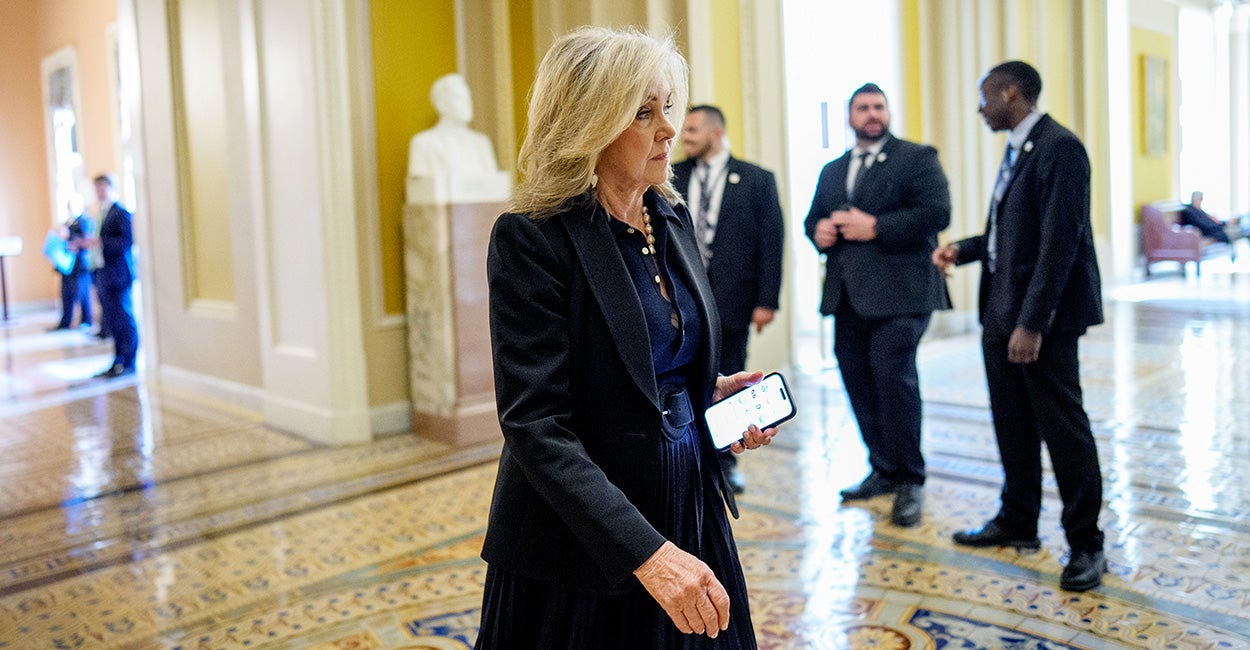
Senator Marsha Blackburn unveiled draft language for a federal AI guidebook, positioning her "TRUMP AI Act" as the vehicle to set the first national standard. The bill, introduced March 18, emphasizes strict child safety protections, places primary safety obligations on AI chatbot developers, and seeks to preempt state laws that conflict with federal policy. Blackburn contrasts her approach with the White House National Framework on AI by codifying a minimum floor for child safeguards while arguing the framework sets a ceiling. She cites recent court findings on social platforms and urges Congress to prioritize protecting children from addictive designs. The proposal is intended to advance alongside the administration's Dec 11 executive order directing the Office of Science and Technology Policy to recommend federal AI legislation.
What happened
Senator Marsha Blackburn introduced draft language for a federal AI guidebook as part of her "TRUMP AI Act", positioning it as the first national standard for artificial intelligence after President Donald Trump ordered federal action on Dec 11. Blackburn filed the bill on March 18, a day before the White House released its National Framework on AI, and says her measure will advance through committee. The draft emphasizes strict child safeguards and federal preemption of conflicting state laws.
Technical details
The bill diverges from the White House framework in several concrete ways. Key provisions include:
- •Placing primary responsibility for safety and duty of care on AI chatbot developers rather than on parents, contrasting with the White House guidance.
- •Codifying a statutory minimum floor for child safety protections while treating the White House framework as a ceiling.
- •Explicit federal preemption of state laws that conflict with the national standard, implementing President Trump's executive order via legislation.
Context and significance
Blackburn grounds the push in recent court findings in New Mexico and Los Angeles that identified harms from social platforms and their addictive design features. Her framing shifts regulatory burden onto platforms and developers, not end users, which aligns with a regulatory posture emphasizing product safety-by-design. That allocation of duty matters for product teams and compliance programs because it changes legal exposure vectors and would drive engineering investments in age verification, default safety settings, content filters, and design constraints.
What to watch
Expect negotiations over preemption, free-speech concerns, and the scope of developer liability as the bill moves through committee. The balance between a statutory floor for child protections and industry calls for flexible federal standards will determine whether the law raises compliance costs or produces clear nationwide rules.
Key Points
- 1Blackburn's draft prioritizes developer duty of care, shifting legal responsibility away from parents and toward platform makers.
- 2The bill codifies a federal minimum for child protections while seeking preemption of conflicting state laws, simplifying the regulatory landscape.
- 3If enacted, the measure will force engineering and compliance teams to implement safety-by-design features, age controls, and stronger moderation guardrails.
Scoring Rationale
The proposal is a notable, near-term policy development that could reshape legal obligations for AI developers and platforms. It is not yet law, but the combination of executive interest and Senate sponsorship makes it materially relevant to practitioners.
Practice interview problems based on real data
1,625 SQL & Python problems across 15 industry datasets — the exact type of data you work with.
Try 250 free problems