SEBI Develops Framework for AI-Based Trading Oversight
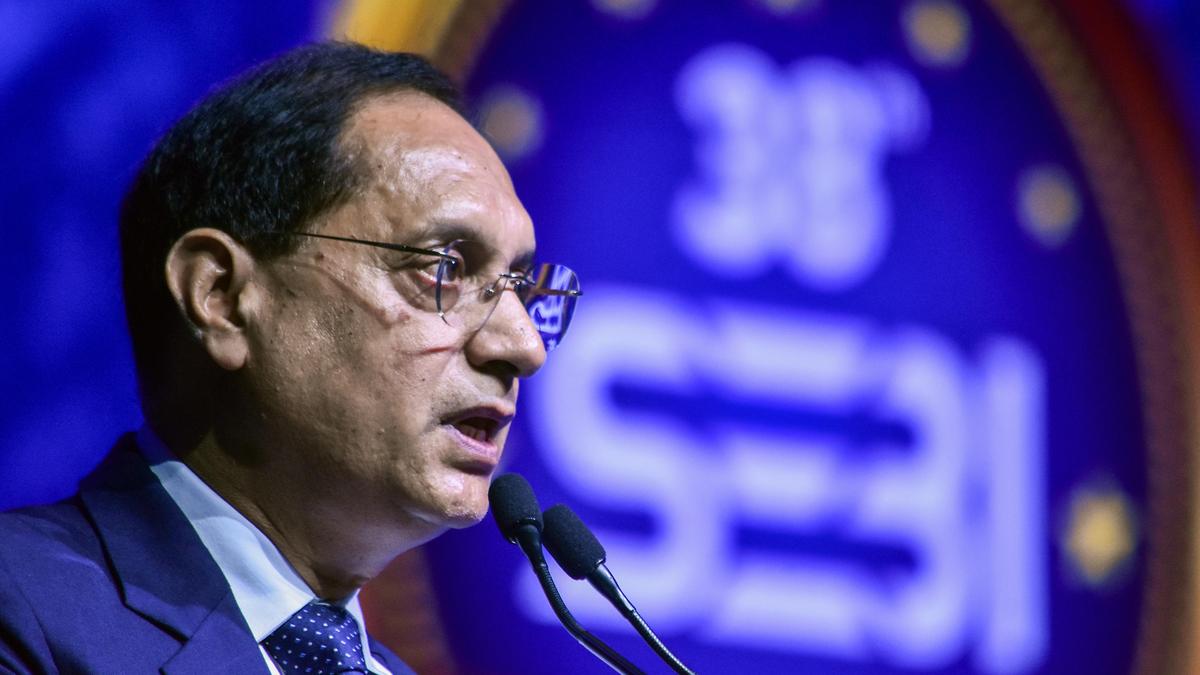
According to reporting from NewKerala and ANI, the Securities and Exchange Board of India (SEBI) is developing guidelines for AI-driven trading to balance automation benefits with rising cyber risks. The reports state that Chairman Tuhin Kanta Pandey warned of increased cyber threats to market integrity and highlighted an AI-enabled investor-awareness effort called Project Jagrook. NewKerala and BusinessLine coverage also report that Pandey described foreign portfolio investor (FPI) outflows as part of normal global investment cycles, and that he urged asset managers to guide investors toward regulated products. The coverage frames the forthcoming guidelines as intended to improve operational efficiency while addressing cyber vulnerabilities in algorithmic trading.
What happened
NewKerala and ANI report that the Securities and Exchange Board of India (SEBI) is preparing a framework of guidelines for AI-driven trading to address efficiency and rising cyber risks. NewKerala's account says Chairman Tuhin Kanta Pandey warned at a press event about cyber threats that could threaten market integrity, and the coverage names an initiative called Project Jagrook, described as an AI-enabled investor awareness programme. BusinessLine snippets and ANI reporting additionally note Pandey framed foreign portfolio investor (FPI) outflows as part of normal global investment cycles and urged asset management firms to channel investors toward regulated financial products.
Editorial analysis - technical context
Regulatory interest in AI-driven trading typically centres on controls that reduce operational and security risk without unduly constraining latency-sensitive strategies. For practitioners, that pattern implies a likely emphasis on demonstrable patch management, access controls, secure model deployment, and incident-detection telemetry-areas that exchanges and regulators commonly require when algorithmic strategies interact with market infrastructure.
Industry context
Industry reporting places SEBI's move alongside global conversations on algorithmic supervision and third-party model risk. Observers in other jurisdictions have been testing requirements for model explainability on high-frequency strategies, resilience testing under adversarial conditions, and vendor governance for third-party ML components. Those precedents frame the kinds of compliance expectations Indian market participants may need to prepare for.
What to watch
Follow SEBI's formal consultation documents and any timelines published by the regulator, as those will define scope (retail versus institutional, onshore versus offshore firms), technical requirements, and phased compliance windows. Also monitor whether Project Jagrook issues public materials or APIs that change retail exposure to automated advice, and whether exchanges publish technical standards for secure model integration.
Key Points
- 1Regulatory engagement: SEBI's forthcoming AI-trading guidelines signal closer oversight of algorithmic trading and operational security in India.
- 2Investor protection: The launch of Project Jagrook reflects regulator interest in using AI for investor education alongside market supervision.
- 3Operational focus: Emphasis on cyber risk highlights the importance of patching, access controls, and third-party model governance for trading teams.
Scoring Rationale
The story matters to practitioners who build or operate trading systems because SEBI guidance could impose new operational and security requirements. It is nationally significant for India's markets but not an industry-changing global precedent, so the impact is notable but not top-tier.
Sources
Public references used for this report.
Practice with real FinTech & Trading data
90 SQL & Python problems · 15 industry datasets
250 free problems · No credit card
See all FinTech & Trading problems