Saudi Arabia Publishes National Data Monetization Policy Details
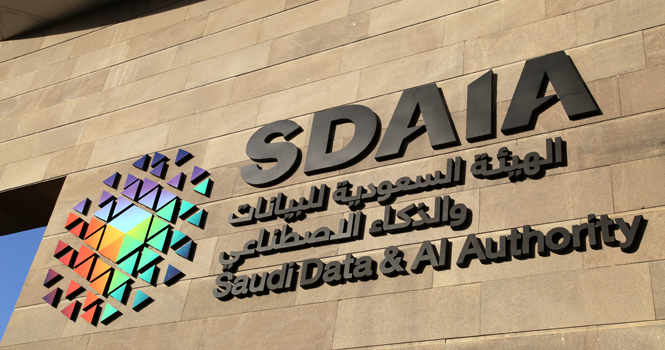
Saudi Arabia's Official Gazette has published the details of a data monetization policy approved by the board of the Saudi Data and Artificial Intelligence Authority (SDAIA). The policy is designed to support growth of the Kingdom's data market and promote a data-driven economy by enabling development and delivery of products and services based on collection, processing, and reuse of data by government or private entities. It applies to government data used in the development, provision, or utilization of data products and services, including data accessed by private-sector entities performing tasks on behalf of government agencies; data classified as 'Confidential' or above is excluded. The policy is built around seven core principles - recognizing data as a national asset, revenue generation, privacy by design, promoting open data, fostering a culture of data sharing, preventing monopolistic practices, and ensuring transparency - and introduces enablers including registration mechanisms, regulatory sandboxes, data licensing frameworks, market platforms, and guidance on monetization models.
What happened
Saudi Arabia's Official Gazette published the full details of a national data monetization policy approved by the board of the Saudi Data and Artificial Intelligence Authority (SDAIA). The policy establishes principles and rules governing the development and commercialization of data-based products and services derived from government-generated data, with an explicit aim of maximizing their economic value and use across sectors.
Scope and exclusions
The policy covers government data used in the development, provision, or utilization of data products and services, including data accessed by private-sector entities when performing tasks on behalf of government agencies. Government data classified as "Confidential" or above is explicitly excluded from the policy's scope.
Seven core principles
The policy is built around seven stated principles:
- •recognizing data as a national asset
- •revenue generation
- •privacy by design
- •promoting open data
- •fostering a culture of data sharing
- •preventing monopolistic practices
- •ensuring transparency
Enablers introduced
To support market development, the policy introduces a range of enablers: registration mechanisms, regulatory sandboxes, data licensing frameworks, market platforms, and guidance on data monetization models. The regulatory sandbox component aligns with SDAIA's existing sandbox program, which allows companies to test and develop data and AI solutions in a controlled regulatory environment.
Significance for practitioners
National policies that formally establish government data as a commercial resource typically create both opportunity and compliance overhead for data teams. Specific near-term implications include integration work with formal data licensing frameworks, provenance tracking requirements for data flowing from government sources into private pipelines, and compliance alignment for ML training pipelines that may use licensed government datasets. The regulatory sandbox provision signals that the regime will allow controlled experimentation before full-market obligations apply.
Key Points
- 1Saudi Arabia's Official Gazette formally enacted an SDAIA-approved data monetization policy built around seven principles - including privacy by design, anti-monopoly, and open data.
- 2The policy covers government data accessed by private-sector entities for commercial products, with 'Confidential'-and-above data excluded from scope.
- 3Practitioners should expect new licensing, registration, and compliance requirements; regulatory sandboxes will allow controlled testing before full market obligations apply.
Scoring Rationale
A formally enacted national data monetization framework with seven stated principles and concrete enablers (regulatory sandboxes, licensing frameworks) is a meaningful regional policy development for AI/data practitioners operating in or considering the Saudi market. Impact is geographically bounded and practice-area specific (data governance and compliance), placing it in the solid/notable range rather than a broad-impact global event.
Sources
Public references used for this report.
Practice interview problems based on real data
1,625 SQL & Python problems across 15 industry datasets — the exact type of data you work with.
Try 250 free problems