SAS marks 50 years as technology leader based in Cary
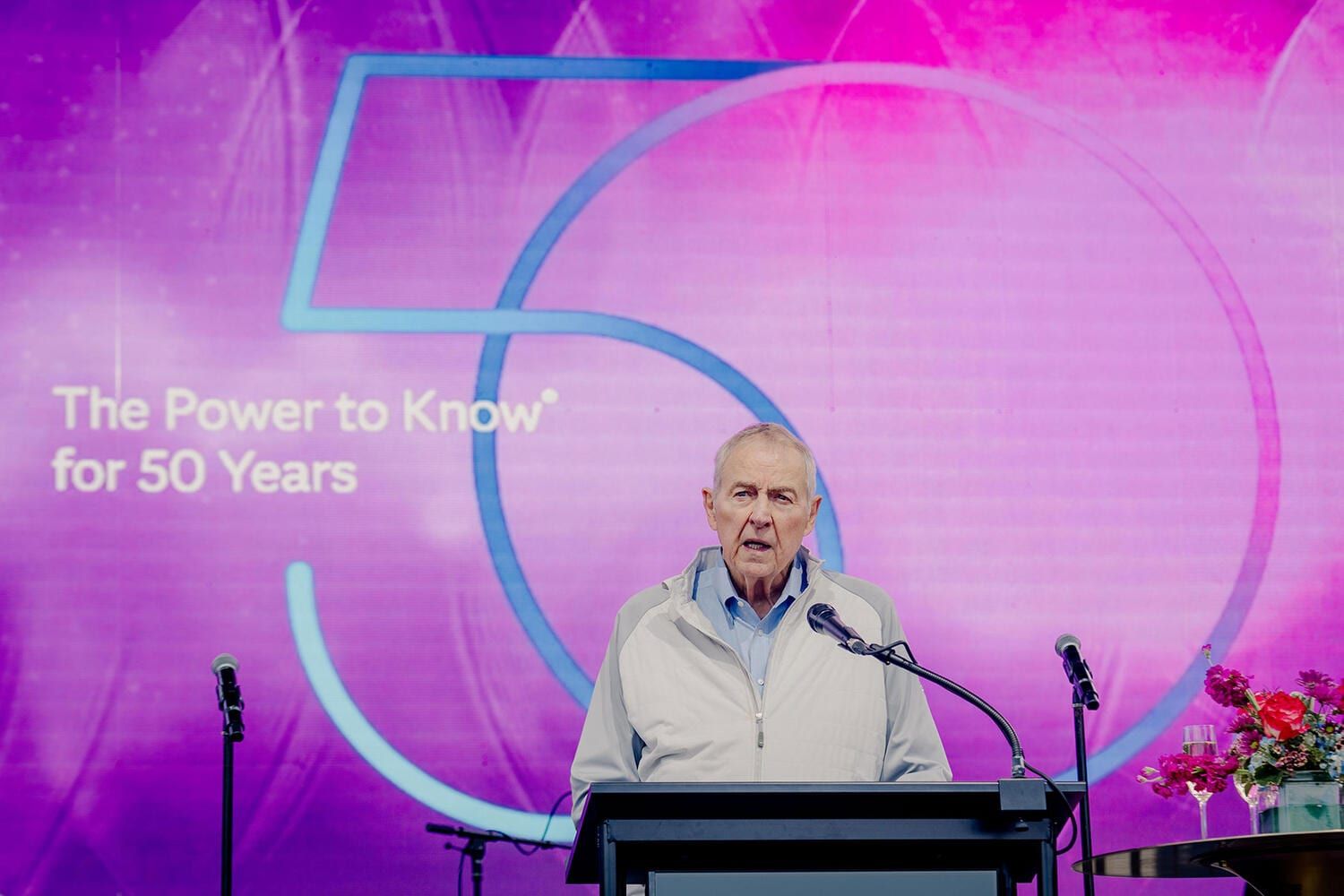
SAS Institute, the Cary, North Carolina-based analytics vendor founded in 1976, marked its 50th anniversary this week, growing from a North Carolina State University research project into a data and AI platform serving more than 50,000 customers in over 150 countries, according to WRAL and SAS's own announcement. CEO Jim Goodnight said the company's founding principle, "help people make better decisions they can trust," still guides its pivot toward AI governance and agentic systems on the SAS Viya platform. For data professionals, SAS's longevity as a privately held, debt-free analytics vendor stands out at a moment when many AI-era competitors are venture-funded and unprofitable, and its role co-founding the first Master of Science in Analytics program at NC State in 2007 underscores its influence on data science education.
SAS's 50-year run is notable less as a nostalgia story and more as a data point on vendor durability: the company remains privately held and debt-free while competing against venture-backed AI platforms, and its emphasis on AI governance and transparency is a direct pitch to enterprises wary of ungoverned generative AI deployments.
What happened
SAS marked its 50th anniversary this week, WRAL reported, five decades in which the company grew from a North Carolina academic research project into what WRAL called "one of the world's leading data and artificial intelligence companies." The Cary-based company now operates in more than 150 countries. Per WRAL, the anniversary drew formal recognition from elected officials: a U.S. Capitol flag was flown in SAS's honor, Rep. Deborah Ross entered remarks into the Congressional Record, and North Carolina Governor Josh Stein sent a letter recognizing the company's contributions to innovation, education, workforce development and community impact. SAS's own announcement, made in April 2026 at its SAS Innovate conference, states the company was incorporated in 1976 out of North Carolina State University research, has more than 50,000 customers including most of the Fortune 100, and has remained debt-free throughout its history. "From the very beginning, our goal was simple: help people make better decisions they can trust," said co-founder and CEO Jim Goodnight. "Technology has changed dramatically over the last 50 years, but our commitment to trust, accountability and respect for people has not."
Industry context
SAS frames its next chapter around AI governance, agentic systems and its unified SAS Viya platform. "The next era of innovation will belong to companies that can combine powerful AI with governance, transparency and accountability," said Bryan Harris, SAS's Chief Technology Officer. Andy Hayler, CEO of analyst firm The Information Difference, credited the company's staying power to consistently evolving its technology while retaining an unusually loyal customer base, calling that "particularly relevant as organizations scale their AI initiatives, which depend heavily on trusted data." SAS also highlighted its academic ties, noting it helped establish the world's first Master of Science in Analytics degree at NC State University in 2007, a model since replicated at other universities, and that it now partners with more than 300 colleges and universities worldwide.
For practitioners
SAS's continued emphasis on governed, auditable AI, rather than a pure model-race pitch, is a useful signal for data teams evaluating enterprise AI vendors: it reflects a broader industry shift toward provenance, transparency and human oversight as differentiators, particularly for regulated industries like banking, insurance, health care and government where SAS has historically been strong. The anniversary also serves as a reminder that SAS's dominance in traditional statistical analytics (SAS programming, SAS/STAT) still underpins large legacy codebases that data professionals continue to maintain even as newer Python- and R-based tooling has gained ground elsewhere.
Key Points
- 1SAS marked 50 years since its 1976 incorporation, growing from an NC State research project into a global data and AI vendor.
- 2The company remains privately held and debt-free while serving over 50,000 customers, including most of the Fortune 100, in 150-plus countries.
- 3SAS is positioning its next decade around AI governance and agentic systems on its Viya platform as a differentiator against less-governed AI competitors.
Scoring Rationale
A well-documented corporate milestone with authoritative sourcing (SAS's own press release plus local and wire coverage), but it is a company-anniversary story rather than a product launch, research result, or market-moving event, so it sits in the minor-to-solid range. Modest upward adjustment from prior scoring reflects the addition of verifiable substance (customer base, governance strategy, academic programs) beyond a bare announcement.
Sources
Public references used for this report.
Practice interview problems based on real data
1,625 SQL & Python problems across 15 industry datasets — the exact type of data you work with.
Try 250 free problems