
Samsung Reboots Bixby To Restore Assistant Relevance
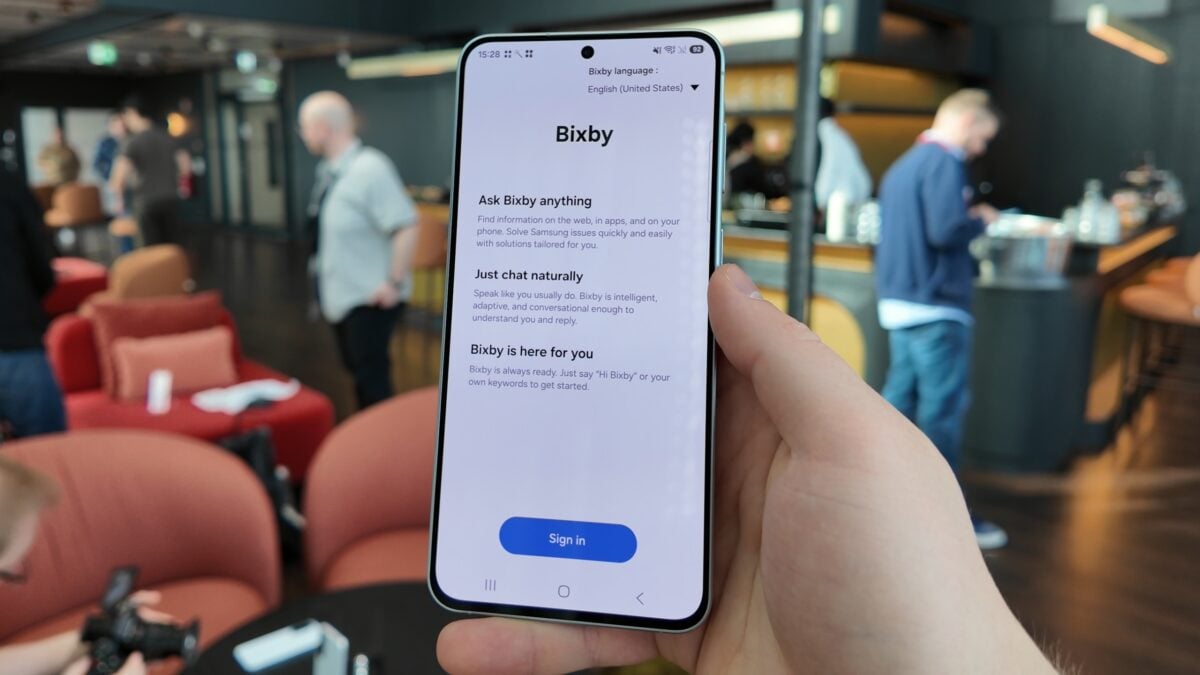
Samsung has rebuilt Bixby as a system-level, AI-first assistant in One UI 8.5 / Bixby 4.0, adding natural-conversation understanding, real-time web searches, a sleeker overlay UI and integrations with Perplexity. The One UI 8.5 Beta 5 introduced conversational settings control and online search capability; Samsung has begun rolling Bixby 4.0 to Galaxy S26 devices. The changes signal Samsung's push to make a phone-native assistant competitive with Google's on-device AI experiences and to place an externally-grounded LLM/search stack at the center of device interactions.
What happened
Samsung has significantly re-engineered Bixby as part of One UI 8.5 and a public Bixby 4.0 rollout. One UI 8.5 Beta 5 (rolled to enrolled users Feb 19, 2026) surfaced a redesigned Bixby that supports more “natural interactions and intuitive device control,” a phrase Samsung MX COO Won‑Joon Choi used to describe the redesign. In early April Samsung began rolling a Bixby 4.0 update to Galaxy S26-series devices, bringing the new assistant to shipping hardware.
Technical context
This is not a cosmetic update. Samsung has combined three technical moves that change Bixby’s operating model:
- •improved natural-language conversational parsing for device control and settings
- •live, online search grounding for up‑to‑date responses
- •an external model/search integration—reported integrations with Perplexity—that supplies web-grounded content. The UI behavior has also changed: the assistant no longer behaves as a full-screen takeover in some flows, instead appearing as a sleeker overlay or “Bixby Live” experience in leaked descriptions
Key details from sources
- •One UI 8.5 Beta 5 added conversational settings control and real-time online searches; Samsung presented the redesign as lowering friction for everyday tasks (Won‑Joon Choi quote reported by Android Central). (Android Central)
- •Third‑party tooling: multiple outlets report Samsung integrating Perplexity to power web-grounded replies, a move described as transplanting an AI “brain” into Bixby. This ties Bixby’s responses to an external search/LLM layer rather than relying solely on on-device heuristics. (TechRadar, GizChina)
- •UX and feature rollouts: leaks and beta screenshots show a less intrusive assistant UI and a “Bixby Live” mode; Samsung has started deploying Bixby 4.0 to the Galaxy S26 line alongside April security updates, and the company is also adjusting voice wakeup behavior. (PhoneArena, Ubergizmo, SammyFans)
Why practitioners should care
Samsung is rebuilding Bixby as a platform-level assistant that mixes device control with web-grounded generative responses. For ML and product teams, the practical takeaways are: Samsung is treating third‑party LLM/search integrations (Perplexity) as first-class plumbing for a system assistant; the assistant transition emphasizes conversational intent parsing for settings and system tasks; and the product is moving from an app-like experience to an ambient, overlay-driven UX. This matters because it shapes how OS-level privacy, latency, and routing decisions are made—whether prompts are handled locally, proxied to a cloud model, or passed to an external search/LLM provider. It also signals competitive dynamics with Google’s assistant/Gemini ecosystem as Samsung attempts to differentiate on device UX and external model partnerships.
What to watch
- •Developer and privacy details: whether Samsung exposes developer hooks or intents for third-party apps, and how data is routed/remembered between device and external providers. (Sources reported Perplexity integration and UI changes; explicit SDK details are not yet published.)
- •Grounding and hallucination controls: how Samsung combines live search results with generative output and the user controls it exposes for source attribution. The Perplexity tie suggests web-grounded replies will be a primary mitigation, but implementation details matter.
- •Rollout scope: Bixby 4.0 is already rolling to Galaxy S26 devices; watch timing for wider One UI 8.5 distribution and whether enterprise/region restrictions apply.
Bottom line
Samsung’s update is more than incremental polish: it reframes Bixby as a hybrid assistant that blends system-level conversational control with externally sourced, web-grounded generative answers. For ML engineers and product leads, the change is a reminder that handset OEMs will continue to be a major axis for innovation in assistant architectures—combining on-device capabilities, cloud models, and third-party search/LLM stacks.
Key Points
- 1Samsung integrates Perplexity into Bixby, enabling web-grounded, real-time search results to power assistant replies and reduce stale answers.
- 2One UI 8.5 (Beta 5) adds natural-conversation parsing for device control, shifting Bixby toward intent-first system interactions.
- 3Bixby 4.0 rollout to Galaxy S26 and a sleeker overlay UI position Samsung to directly compete with Google’s assistant/Gemini experiences.
Scoring Rationale
This update changes Bixby’s architecture and UX by combining conversational intent parsing with web-grounded generative outputs and third-party model integration (Perplexity). That matters to practitioners tracking assistant architectures, on-device vs cloud tradeoffs, and OEM strategies.
Sources
Public references used for this report.
View 7 more sources
- Samsung Rolls Out Bixby 4.0 Update For Galaxy S26 Seriesubergizmo.com
- Samsung's Bixby reboot looks a lot like Google Gemini - PhoneArenaphonearena.com
- Gemini's New Rival? Samsung Integrates Perplexity Into Bixby 4.0gizchina.com
- Samsung Bixby Upgrade Revealed in One UI 8.5 Updatesamsung.gadgethacks.com
- Samsung releases Bixby 4.0 with new features, updates Voice Wake ...sammyfans.com
- Samsung rolls out Bixby 4.0 for Galaxy S26 series - Perplexityperplexity.ai
- Samsung's Bixby to get smarter with Perplexity AI in major overhaulmsn.com
Practice interview problems based on real data
1,625 SQL & Python problems across 15 industry datasets — the exact type of data you work with.
Try 250 free problems

