Sam Altman's World Deploys Verification With Zoom, Tinder, Docusign
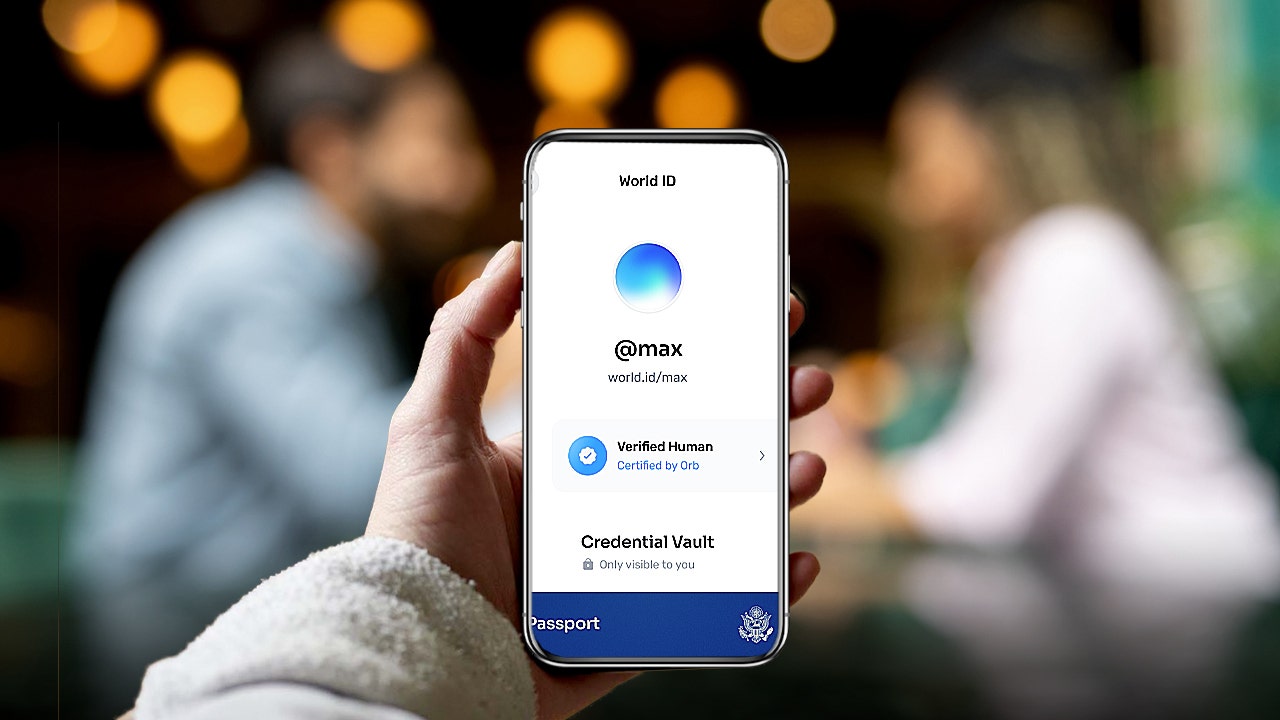
World, the Sam Altman-backed digital identity project, is rolling out a major upgrade to World ID and expanding integrations with Tinder, Zoom, and Docusign to counter bots, deepfakes, and agentic AI. The system still relies on in-person biometric enrollment via the Orb iris and face scanner, but World stresses that images are deleted, cryptographic proofs are stored on users' phones, and only anonymized attestations are shared. New capabilities include account-based identity, multi-key support, recovery mechanisms, and a three-way Deep Face verification that cross-checks Orb registration imagery, a device scan, and live meeting frames. The move accelerates real-world adoption but revives privacy and regulatory concerns around biometric collection and centralized verification in the AI era.
What happened
World, the Sam Altman-backed project, unveiled a major upgrade to World ID and announced expanded integrations with Tinder, Zoom, and Docusign as part of a push to provide "full-stack proof of human" identity across consumer apps and enterprise workflows. The company says 18 million people have been verified with an Orb, up from 12 million last year, and introduced features it calls account-based identity, multi-key support, and recovery mechanisms aimed at scaling secure human verification.
Technical details
World continues to depend on the in-person verification device called the Orb, which scans a user's face and iris to generate a cryptographic, non-identifying credential. World says images are deleted after processing, the credential is encrypted and stored on the user's phone in the World App, and only anonymized fragments travel across its distributed network. The upgrade includes new tools and protections:
- •Proof of Human, ensuring one account per verified person and reducing multi-accounting
- •Deep Face, a three-pronged verification system that cross-references Orb registration imagery, a real-time device face scan, and a live meeting frame before issuing a "Verified Human" badge
- •Face Auth, a private 1:1 face comparison for signing into services that require the original verifying user
- •Account-based identity, multi-key support, and recovery mechanisms to match enterprise expectations for scale and resilience
Zoom's integration allows hosts to require a Deep Face waiting room or on-demand mid-call checks, and Zoom will display a "Verified Human" badge when all three sources align. Tinder is expanding its pilot so verified users can display a human-verified badge and receive incentives such as free boosts. Docusign will allow stricter signing requirements tied to World verification.
Context and significance
The upgrade is positioned against a rising wave of AI-enabled impersonation and fraud. Vendors and enterprises now confront deepfake attacks that affect board-level transactions and finance operations, and World frames its credential as a foundational building block for an internet where AI agents are prevalent. For practitioners, this represents a concrete implementation of biometric-backed cryptographic identity intended to be privacy-preserving at the protocol level, while also behaving like an interoperable platform via partner integrations.
However, the technical claims rest on a trust model centered on in-person biometric enrollment. Critics and regulators have repeatedly flagged iris scanning and biometric collection as sensitive; real-world deployments often trigger data protection reviews. World responds with technical mitigations, such as local-only storage of full data and the transmission of anonymized attestations, but those safeguards will face scrutiny in different jurisdictions and enterprise compliance programs.
What to watch
Adoption metrics beyond the headline numbers and independent audits of World's deletion and anonymization processes will determine whether enterprises and regulators accept this approach. Also monitor user friction and opt-in rates for consumer apps like Tinder, and whether similar credentialing becomes a de facto requirement for high-value enterprise workflows.
Key Points
- 1World upgrades World ID to full-stack human verification, enabling integrations that attach a verified-human badge to user accounts.
- 2The system uses in-person Orb biometrics and cryptographic attestations to avoid sharing raw biometric data, which reduces but does not eliminate privacy risk.
- 3Integrations with Zoom, Tinder, and Docusign accelerate adoption, shifting verification from research to real-world security and product trade-offs.
Scoring Rationale
This is a notable product expansion that moves biometric-backed cryptographic identity into mainstream apps and enterprise workflows. It meaningfully affects security engineering and product design, but it is not a paradigm shift and raises privacy and regulatory questions that limit immediate universal adoption.
Sources
Public references used for this report.
Practice interview problems based on real data
1,625 SQL & Python problems across 15 industry datasets — the exact type of data you work with.
Try 250 free problems