Sam Altman Pushes Back on AI Job Fears
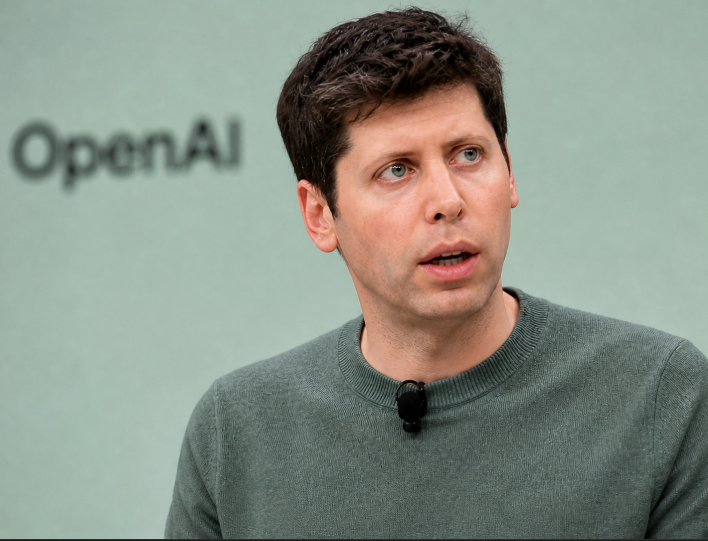
Per Gizmochina, OpenAI CEO Sam Altman posted on X calling fears that AI will replace human jobs "overly pessimistic" in the long run and saying OpenAI aims to build tools that "augment and elevate" human capabilities. Gizmochina notes Altman's comments come amid recent industry layoffs, including reporting that King, the maker of Candy Crush Saga, cut developers after internal AI tools generated game levels. The article also cites reporting that Anthropic CEO Dario Amodei suggested AI could write nearly all code within the next 6 to 12 months. Statements from high-profile AI leaders tend to shape public debate, but observable labor impacts and technical timelines will determine practitioner priorities.
What happened
Per Gizmochina, OpenAI CEO Sam Altman posted on X calling concerns that AI will replace human jobs "overly pessimistic" in the long run and stating that OpenAI's goal is to build tools that "augment and elevate" human capabilities. Gizmochina reports these comments come amid a wave of layoffs, and cites a widely discussed example that King, the maker of Candy Crush Saga, reportedly laid off developers after internal AI tools generated game levels. Gizmochina also reports that Dario Amodei, CEO of Anthropic, recently suggested AI could write nearly all code within the next 6 to 12 months.
Editorial analysis - technical context
Industry reporting captures two separate threads: leadership framing and technical capability claims. Observed patterns in similar announcements show leaders emphasize augmentation, while cited technical timelines from competitors or peers drive urgency in engineering and product teams. For practitioners, the practical question is how reliably current tools automate end-to-end tasks versus assist components of workflows.
Industry context
Companies and public figures commenting on the future of work influence hiring sentiment, investor expectations, and policy debates. Observed patterns in comparable transitions indicate that near-term effects on jobs are heterogeneous across roles; some routine tasks face automation risk while others shift toward oversight, prompt engineering, and higher-order decision work. This is an industry-level observation, not a claim about any single company's internal roadmap.
What to watch
Monitor objective indicators rather than rhetoric: adoption rates of code-generation tools in production, job posting trends for prompt engineering and model ops, and company-level disclosures linking headcount changes to automation. Also watch independent benchmarks and reproducible studies that test whether current models can reliably replace whole roles versus augment task-level work.
Bottom line
Per Gizmochina, Altman offers an optimistic framing of AI and work; concurrent industry reports of layoffs and aggressive capability timelines from other leaders keep the issue contested. Editorial analysis: Practitioners should prioritize measurable productivity and reliability metrics when evaluating the impact of AI on specific roles.
Key Points
- 1Altman frames AI as augmenting human work; such leadership responses can shape public debate and investor sentiment.
- 2Reported layoffs linked to internal AI tools show heterogeneous near-term labor impact across roles and companies.
- 3Bold technical timelines from competitors increase urgency for practitioners to measure automation reliability and production readiness.
Scoring Rationale
Leader commentary by a major AI CEO shapes public and investor discourse but provides limited new technical information for practitioners; observable labor outcomes and capability benchmarks matter more operationally.
Practice interview problems based on real data
1,625 SQL & Python problems across 15 industry datasets — the exact type of data you work with.
Try 250 free problems