Rutgers Tracks Facial Micromovements to Quantify Pain
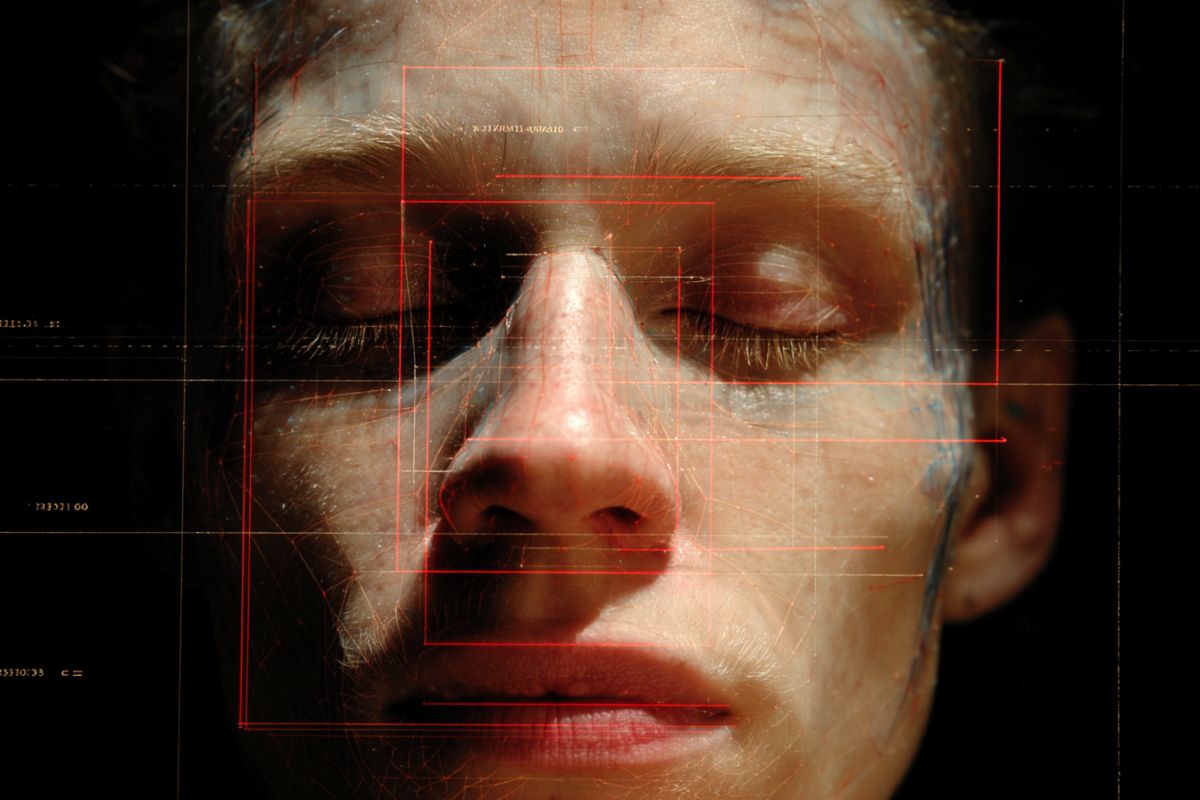
Researchers at Rutgers University-New Brunswick published a study in Frontiers in Neuroscience that uses AI-driven video analysis to track imperceptible facial micromovement spikes and correlate them with heart rate variability during controlled pressure pain, according to a Rutgers news release. The team recorded 45 adults at rest and during tactile, movement, and memory tasks and found the most pronounced micro-fluctuations concentrated around the eyes as pain intensified, Rutgers reports. The study also observed that high cognitive load weakened the face-heart connection. Reporting by NeuroscienceNews describes an associated spinoff, Neuroinversa LLC, developing a smartphone app prototype to scan faces for real-time pain monitoring and medication-effect tracking.
What happened
Researchers at Rutgers University-New Brunswick published a study in Frontiers in Neuroscience that applied AI and high-speed video analysis to detect rapid, imperceptible facial micromovement spikes during experimentally induced pressure pain, per Rutgers' news release. The team recorded 45 adults and synchronized facial tracking with heart rate variability measurements, finding that as controlled pain intensified heart rhythms became more irregular and corresponding micro-spikes concentrated principally around the eyes, Rutgers reports. The study also found that tasks imposing a high cognitive load reduced this face-heart coupling, Rutgers reports. NeuroscienceNews summarizes the research and notes a spinoff, Neuroinversa LLC, is developing a smartphone app to scan faces for pain monitoring.
Technical details
Per the Rutgers release, the experiment used high-speed video to capture tiny motor fluctuations the authors call micromovement spikes, and algorithmic video analysis to quantify those events alongside cardiac timing data. The dataset described in the release included baseline and task conditions (tactile, movement, memory) during brief, controlled pressure stimuli on participants. Direct quote from the release: "The motivation was to move beyond a one-size-fits-all pain scale," Torres said, and investigators reported that facial signals manifested within seconds of pain onset.
Editorial analysis - technical context
For practitioners
objective, multimodal proxies for subjective states increasingly combine facial action detection with autonomic signals such as heart rate variability. Industry-pattern observations note that combining high-frame-rate video with physiological sensors improves time-aligned signal detection but raises challenges around noise, lighting, and head motion when deployed outside controlled labs.
Context and significance
What to watch
Editorial analysis
this study contributes to a growing body of work seeking objective biomarkers for pain that do not rely on self-report. If findings replicate in larger and more diverse cohorts, multimodal face-plus-cardiac signals could augment clinical assessment for patients who cannot self-report, such as young children or people with severe communication impairments. Industry-pattern observations also highlight that translational steps from lab proof-of-concept to clinical-grade tools typically require prospective validation, regulatory pathway mapping, and careful evaluation of fairness across skin tones and facial morphology.
observers should track peer-reviewed replication studies, larger-sample validations across age and skin-tone diversity, open publication of the algorithmic methods and datasets, and any regulatory filings or clinical trials by entities such as Neuroinversa LLC reported in press coverage. Also monitor workbench metrics for real-world robustness: performance under variable lighting, motion, smartphone camera models, and minimal-contact sensor integration for cardiac timing.
Key Points
- 1Rutgers used AI and high-speed video to link facial micromovement spikes with heart rate variability during controlled pain in 45 adults, offering an objective pain proxy.
- 2Combining facial micro-expressions with cardiac timing can produce rapid, time-aligned pain signals, but real-world deployment must handle lighting, motion, and sensor variability.
- 3For practitioners: replication, diverse-sample validation, and open methods are the critical next steps before clinical adoption or smartphone-based monitoring can be relied upon.
Scoring Rationale
This is a notable research advance providing an objective, multimodal biometric for pain assessment with immediate relevance to clinical monitoring and applied computer-vision work. The work remains at proof-of-concept scale (45 participants) and requires broader validation before it changes clinical practice.
Sources
Public references used for this report.
Practice interview problems based on real data
1,625 SQL & Python problems across 15 industry datasets — the exact type of data you work with.
Try 250 free problems