Routa Replaces Chat with Structured Development Workflows
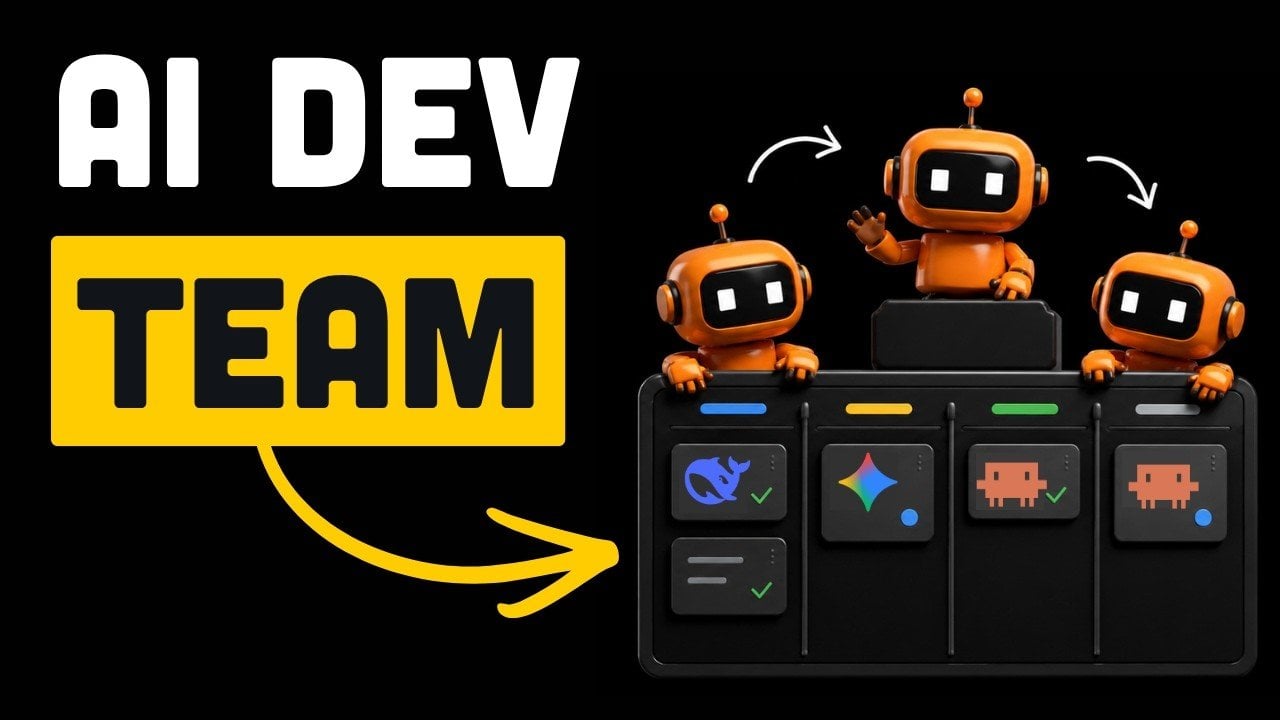
Geeky-Gadgets reports that Routa is an open-source, local-first AI-assisted coding framework that organizes AI agents into a delivery-style pipeline. According to Geeky-Gadgets, Routa replaces unstructured chat interactions with task states, traceability, automated handoffs and integrates with AI agents such as Claude. Geeky-Gadgets highlights features including a Kanban board for visual task tracking, evidence tracking for debugging, and automated quality gates to enforce standards. The article notes a steeper learning curve and suggests Routa is best suited for developers prioritizing structured, auditable workflows over quick ad-hoc tasks.
What happened
Geeky-Gadgets reports that Routa is an open-source, local-first AI-assisted coding framework built around professional delivery-pipeline principles. Geeky-Gadgets reports that Routa replaces unstructured, chat-based AI interactions with a pipeline that exposes clear task states, traceability, and automated agent handoffs. Geeky-Gadgets reports that the product includes a Kanban board for visual workflow tracking, evidence tracking for debugging, automated quality gates to enforce standards, and API integration with AI agents such as Claude.
Editorial analysis - technical context
Tools that convert conversational interactions into structured task flows address common pain points in AI-assisted development: nondeterministic chat outputs, loss of provenance, and weak quality gating. Industry-pattern observations: teams adopting pipeline-oriented agent frameworks typically gain clearer audit trails and more repeatable handoffs, but they also add orchestration complexity and configuration overhead compared with simple chat UIs.
Context and significance
Editorial analysis: The emphasis on a local-first design aligns with broader practitioner concerns about data privacy and control when using third-party LLMs. Editorial analysis: Applying CI/CD concepts to AI agents, including visual task states and automated quality gates, mirrors an industry trend toward treating model outputs as artifacts that must pass gates before merging into production systems.
Technical details
Geeky-Gadgets describes specific features that enable this approach:
- •Kanban-style task boards for lifecycle visibility
- •evidence tracking that links debugging artifacts to tasks
- •automated quality gates that codify standards
- •API-level integration with agents such as Claude
These elements combine to create provenance and enforcement points that teams can inspect and iterate on.
What to watch
Track adoption indicators such as integrations with popular VCS and CI systems, community contributions to the open-source repository, and third-party adapters for self-hosted LLMs. Observers should also watch whether usability improvements reduce the reported learning curve and whether evidence-tracking patterns are adopted by other agent frameworks.
Key Points
- 1Structured agent pipelines convert ad-hoc chat outputs into auditable artifacts, improving traceability for complex code changes and reviews.
- 2Local-first, CI/CD-inspired designs address data control and quality gating, aligning with practitioner demand for production-grade AI workflows.
- 3Moving from chat to pipelines raises orchestration complexity, so teams should weigh governance benefits against integration and onboarding costs.
Scoring Rationale
A practical tooling story that matters to practitioners adopting agent-based development workflows. The piece highlights traceability and CI/CD alignment, but it documents a single product rather than a broad platform shift.
Practice interview problems based on real data
1,625 SQL & Python problems across 15 industry datasets — the exact type of data you work with.
Try 250 free problems