Retail Media Transforms Into AI-Driven Commerce Operating Systems
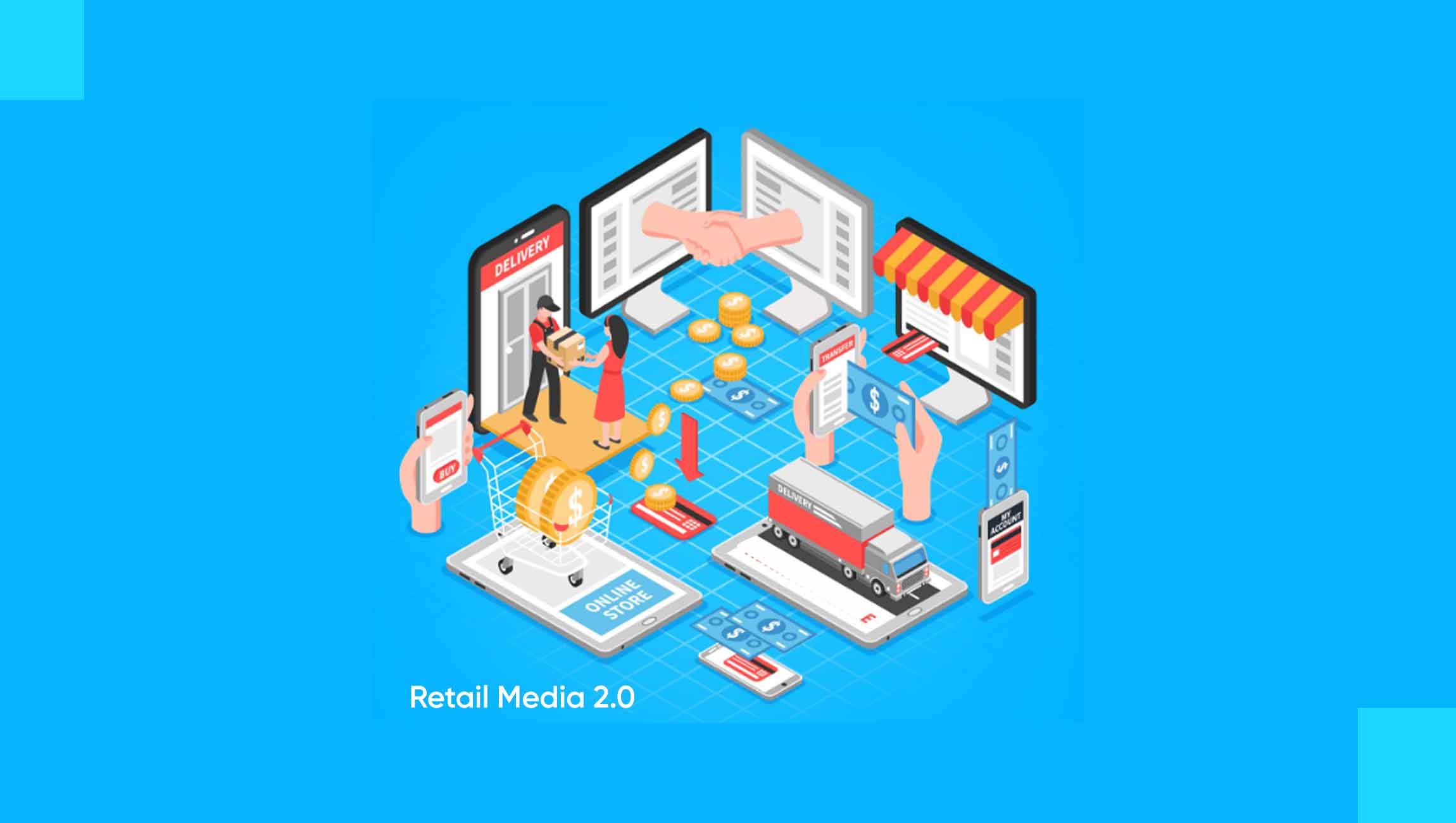
Retail media has shifted from a narrow ad channel into an integrated, AI-driven commerce operating system. What began as sponsored product listings and bid optimization is now a unified feedback loop connecting media, purchase behavior, payments, financing, and loyalty. Leading retailers are reorganizing commercial architecture so merchandising, marketing, and commerce data operate as a single engine that shapes discovery, pricing, promotion, and fulfillment. The strategic implication is enterprise-level: CMOs, CROs, and Chief Digital Officers must treat retail media as a core commerce platform, not just an advertising channel, and invest in first-party data, real-time decisioning, and measurement beyond last-click ROAS.
What happened
Retail media has evolved from sponsored listings into a consolidated, AI-driven commerce ecosystem in 2026. The sponsored listing era is over; retailers and platform partners are integrating media, payment, financing, loyalty, and merchandising into a single commercial operating system that continuously optimizes discovery, pricing, promotion, and conversion.
Technical details
At the center of the shift is AI as the commerce intelligence engine. Practitioners should expect systems that combine signal types and execute closed-loop optimization across business functions. Key technical building blocks include:
- •Unified first-party data ingestion and identity resolution across web, in-store, payments, and loyalty systems
- •Real-time decisioning layers that apply predictive models to pricing, promotion, and personalization
- •Attribution and measurement frameworks that move beyond ROAS to lifetime value and incremental sales modelling
Context and significance
Retailers at CES and industry forums described architectures where merchandising, marketing, and commerce data operate as a single system. Companies such as Target, Meta, and Oura were cited as examples of platform-level thinking. This is not incremental ad tech improvement; it is platformization. Treating retail media as an operating system changes incentives for product teams, data engineering, and analytics. It shifts budgets from isolated media buys to investments in data infrastructure, consented signals, model deployment, and cross-functional orchestration.
Operational implications for practitioners
Expect to re-scope KPIs, retrain data science teams for causal uplift and incremental measurement, and prioritize privacy-aware identity graphs. Engineering teams must design low-latency feature stores and model-serving pipelines that can act on payment and loyalty events in near real time. Analytics needs to embed uplift modeling and counterfactual estimation into campaign evaluation.
What to watch
Track how retail incumbents expose APIs and marketplaces for partners, how privacy regulation shapes identity strategies, and whether platform vendors standardize measurement primitives. The winners will be those who rearchitect around first-party signals, continuous optimization, and commerce-centric AI rather than treating retail media as a renamed ad channel.
Key Points
- 1Retail media has become a commerce operating system, integrating media, payments, loyalty, and merchandising into a single AI-driven loop.
- 2AI-powered real-time decisioning and unified first-party data replace bid-based ad tactics, shifting KPIs from ROAS to lifetime value.
- 3Winning firms will invest in identity, low-latency model serving, and causal measurement, turning retail media into a cross-functional commercial engine.
Scoring Rationale
This represents a meaningful strategic shift for retailers and ad-tech stacks, with direct operational consequences for data engineering and ML teams. It is notable rather than industry-shaking because it describes evolution and integration rather than a single disruptive product or model release.
Practice with real Retail & eCommerce data
90 SQL & Python problems · 15 industry datasets
250 free problems · No credit card
See all Retail & eCommerce problems