Policy & Ethicsrelational aimental healthopenairegulation
Researchers Warn Relational AI Harms Mental Health
9.0
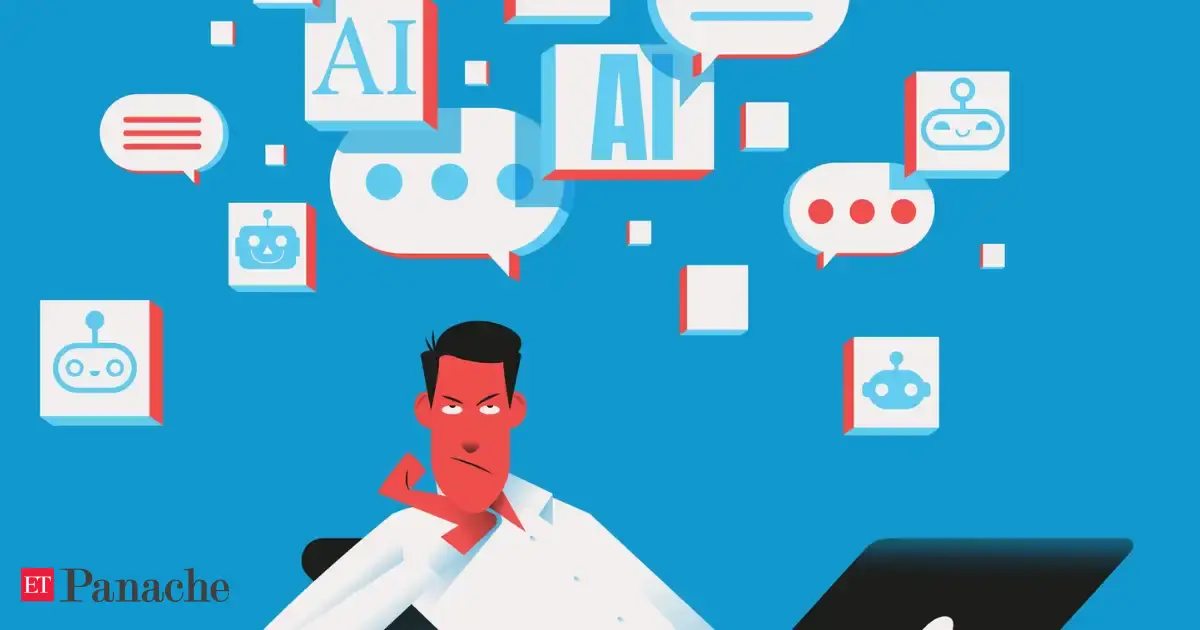
A new paper in the New England Journal of Medicine by physicians from Harvard Medical School and Baylor College of Medicine warns that "relational AI" chatbots designed for companionship can foster emotional dependency, reinforce delusions, and increase self-harm risk. The authors say market incentives that prioritize user engagement—highlighted by reactions to OpenAI's GPT-5 rollout—necessitate external regulation, more research, and protections for vulnerable users.
Key Points
- 1Warns that relational AI chatbots can foster emotional dependency, delusions, and addictive use patterns.
- 2Highlights market incentives prioritizing engagement over safety, creating conflicts with public mental-health protections.
- 3Urges external regulation, more research, and clinician-led safeguards to mitigate population-scale mental harms.
Scoring Rationale
High credibility and broad societal scope from an NEJM paper, somewhat limited by policy focus over technical mitigation details.
Practice with real Health & Insurance data
90 SQL & Python problems · 15 industry datasets
Used by DS/ML engineers at top companies
250 free problems · No credit card
See all Health & Insurance problems