
Researchml guided designprotein engineeringuc berkeley
Researchers Use MULTI-evolve To Optimize Proteins
9.2
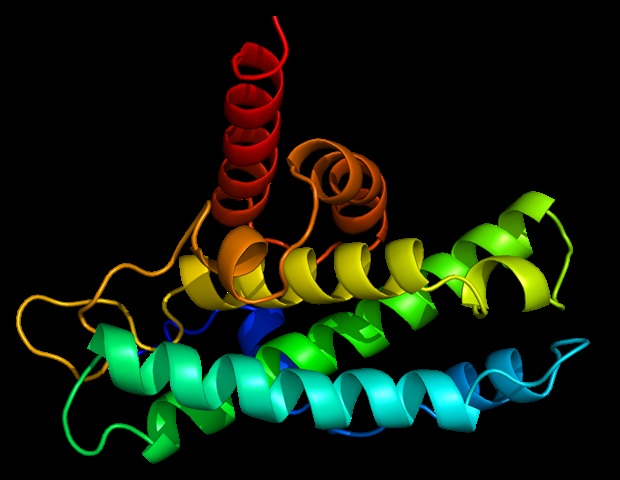
UC Berkeley and Arc Institute researchers led by Patrick Hsu recently introduce MULTI-evolve, a machine-learning-guided experimental pipeline that predicts effects of multiple amino-acid mutations and directs lab validation. The method trains on single and pairwise mutation data then extrapolates to combinations of five-plus mutations, producing improved antibodies, a CRISPR protein with higher precision, and other enhanced enzymes.
Key Points
- 1Introduce MULTI-evolve hybrid ML-experimental pipeline predicting effects of multiple simultaneous amino-acid mutations
- 2Reveal synergistic mutation interactions via pairwise lab tests and ML extrapolation to higher-order combinations
- 3Enable rapid discovery of higher-performing proteins, improving CRISPR precision and therapeutic enzyme engineering
Scoring Rationale
Strong methodological advance with validated lab results, limited by lack of peer-reviewed publication or wide replication.
Practice interview problems based on real data
1,625 SQL & Python problems across 15 industry datasets — the exact type of data you work with.
Try 250 free problems

