Researchers Develop Drone Platform Detecting Coastal Plastic
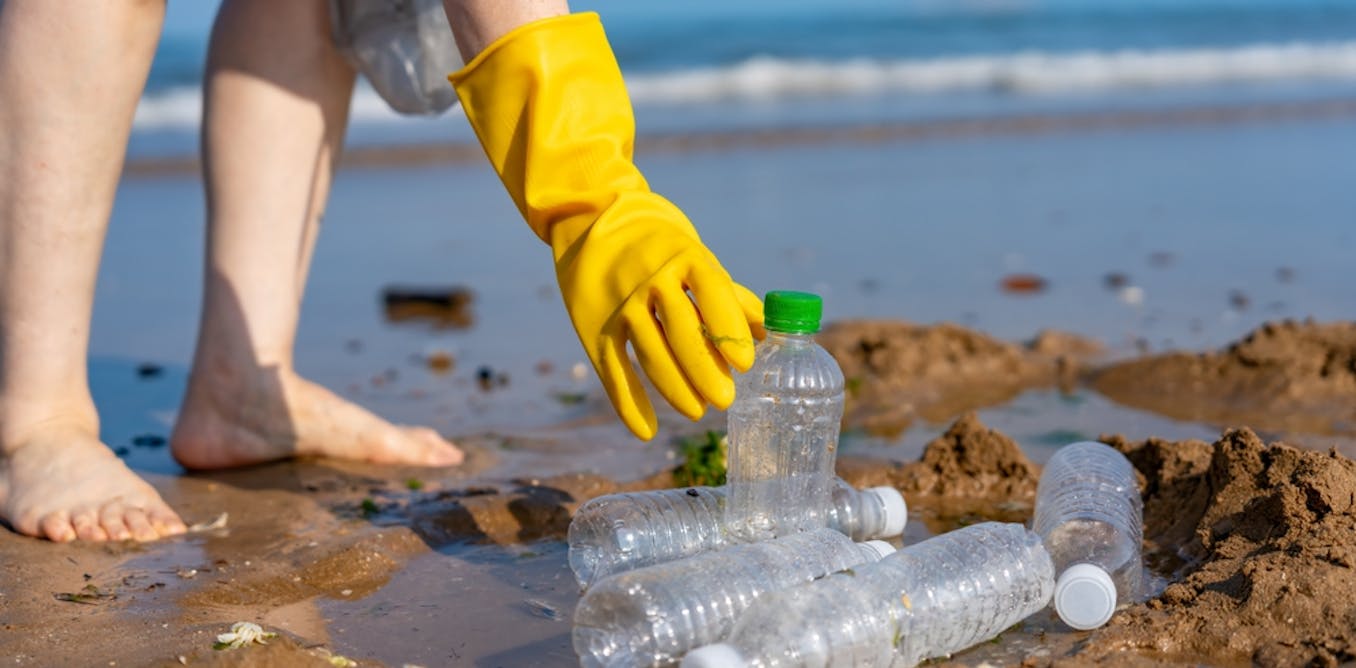
Researchers at the University of Limerick developed a drone-based platform that uses machine learning to detect beach plastics and produce GPS coordinates for targeted clean-ups. Piloted under the EU-funded BluePoint project, the system detects items as small as 1cm, averaged 30 plastics per ten-minute flight, and has been tested across nine countries with over 2,000 participants. Local authorities and community groups use the data to target hotspots and inform recycling strategies.
Key Points
- 1Detects plastic pieces as small as 1cm from drone imagery using machine learning and outputs GPS coordinates
- 2Identifies coastal hotspots with five- to ten-times higher plastic accumulation driven by currents and river mouths
- 3Enables targeted clean-ups, averaging 30 plastics per ten-minute flight, and informs local policy and recycling
Scoring Rationale
Practical multi-country deployment and usable tooling drive score; novelty limited to applied adaptation rather than a fundamental algorithmic breakthrough.
Practice interview problems based on real data
1,625 SQL & Python problems across 15 industry datasets — the exact type of data you work with.
Try 250 free problems