
Rapsody Confronts Fake AI-Generated Event Promotion
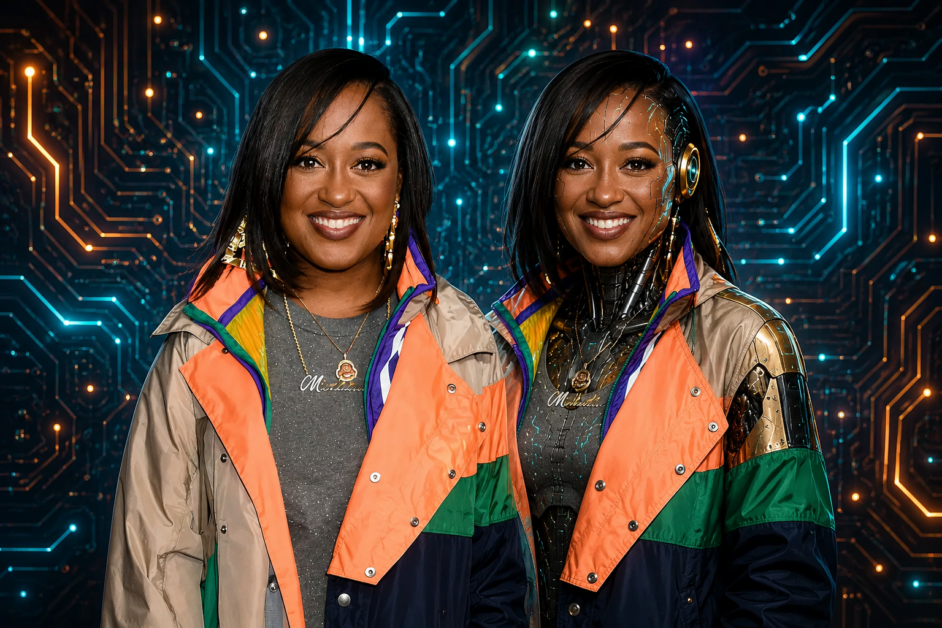
AllHipHop reports that someone used artificial intelligence to produce a fake promotional video featuring Rapsody's likeness for a purported live appearance, and that the content looked realistic enough to deceive casual viewers. AllHipHop states that Rapsody spoke up publicly to correct the record; the article frames the incident as emblematic of how synthetic media can facilitate consumer-facing scams. Industry observers note that high-fidelity synthetic likenesses lower the barrier for event fraud and complicate trust signals on social platforms, increasing the need for provenance and verification practices.
What happened
AllHipHop reports that a promotional video using artificial intelligence and Rapsody's likeness circulated online, advertising a purported live appearance that, per the article, was false. AllHipHop describes the presentation as believable enough that average viewers might have accepted it as authentic, and the piece notes that Rapsody publicly corrected the record.
Editorial analysis - technical context
Industry-pattern observations: advances in synthetic media generation have reduced the time and cost required to produce convincing face-and-voice impersonations. High-quality generative video and voice models now enable realistic event promos without physical production, increasing the risk that bad actors will monetize false appearances.
Context and significance
Editorial analysis: For practitioners in content-moderation, fraud detection, and event operations, this episode underscores an existing trend where deepfakes shift harm from reputation-only to direct consumer fraud. Platforms and organizers face growing pressure to add provenance metadata, watermarking, and rapid takedown workflows; legal and rights-management questions for likeness misuse are also becoming more salient in public discourse.
What to watch
Editorial analysis: Observers should monitor whether platforms apply authenticated-identity labels, whether payment/ticket platforms adopt stronger seller verification, and whether policymakers propose new liability or disclosure rules for synthetic media. Reporting to date is limited to the AllHipHop article; Rapsody's full public statement and platform actions remain the primary observable indicators.
Key Points
- 1AI-generated likenesses are now realistic enough to be used in consumer-facing scams, raising direct financial harm risk.
- 2Platforms and event ecosystems lack universal provenance tools, which makes verifying claims of appearance or endorsement difficult.
- 3Observers expect provenance, watermarking, and seller verification to become core features for mitigating synthetic-media fraud.
Scoring Rationale
The incident is a concrete example of synthetic-media risk affecting real-world commerce and reputation. It is notable for practitioners in moderation, fraud detection, and event operations but does not introduce novel technical capability.
Practice interview problems based on real data
1,625 SQL & Python problems across 15 industry datasets — the exact type of data you work with.
Try 250 free problems

