Qianhai EHub Debuts at GITEX AI ASIA, Spurs Expansion
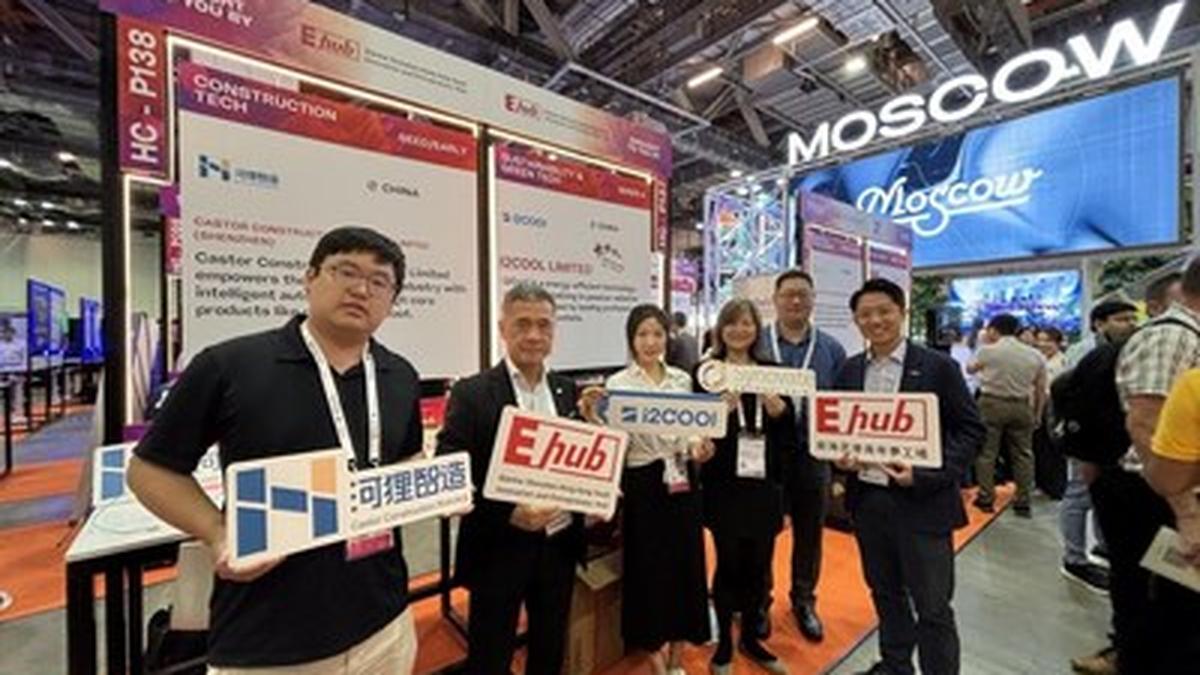
The Qianhai Shenzhen-Hong Kong Youth Innovation and Entrepreneur Hub (EHub) launched at GITEX AI ASIA in Singapore, positioning itself as a cross-border gateway for Shenzhen and Hong Kong technology startups seeking Southeast Asian expansion. EHub brought three pioneering technology companies to showcase advances in intelligent manufacturing, industrial intelligence, and low-carbon technologies, while announcing outreach and partnership efforts with top local universities and regional incubators. The platform offers integrated innovation support, market development services, and investor matchmaking to accelerate overseas deployment for Qianhai-based firms. For practitioners, the hub signals practical opportunities for pilots, cross-border partnerships, and joint R&D with institutions such as NUS, NTU, and SMU, and adds another node to China-Southeast Asia tech collaboration networks.
What happened
The Qianhai Shenzhen-Hong Kong Youth Innovation and Entrepreneur Hub (EHub) made its formal debut at GITEX AI ASIA in Singapore, bringing three Qianhai-based technology companies to exhibit solutions in intelligent manufacturing, industrial intelligence, and low-carbon technologies. EHub positioned itself as a regional innovation gateway to help Shenzhen and Hong Kong enterprises access Southeast Asian markets through integrated support services and partner linkages.
Technical details
EHub emphasizes applied, product-ready technologies rather than foundational model research. The participating companies highlighted systems and solutions in factory automation, AI-driven industrial analytics, and carbon reduction technologies that are ready for pilot deployments. EHub plans to connect firms with local universities and incubators to support validation, testing, and commercialization. Key partner targets named include National University of Singapore (NUS), Nanyang Technological University (NTU), and Singapore Management University (SMU).
Program capabilities and propositions
- •Market-entry services, including regulatory navigation, localization support, and channel partner introductions
- •Investor matchmaking and regional funding connections to accelerate Series A/B and pilot funding
- •Collaboration pathways with universities and incubators for technology validation and talent exchange
Context and significance
EHub is an explicit attempt to operationalize cross-border innovation between Shenzhen, Hong Kong, and Southeast Asia. For companies in Qianhai, this hub reduces friction for overseas pilot programs by offering local partnerships and investor networks. For Singapore and regional stakeholders, it provides direct access to Chinese hardware and industrial AI vendors that can accelerate digitalization and decarbonization projects.
Why practitioners should care
The event demonstrates how regional hubs are shifting from promotional showcases to practical collaboration platforms. If you run enterprise AI or industrial automation projects, EHub represents a curated channel to source tested solutions and negotiate localized pilots. For investors and incubators, it offers deal flow from Shenzhen ecosystems with explicit facilitation for Southeast Asian market fit.
Operational considerations
Cross-border pilots will still require attention to IP protection, data governance, and supply chain resilience. Expect the hub to handle introductions and matchmaking, but not to eliminate contractual, compliance, or technical integration work. Practitioners should budget for localization, edge-hardware integration, and local standards testing when engaging.
What to watch
Track the first cohort of pilot deployments announced by EHub and any formal collaboration agreements with NUS, NTU, or SMU. Watch for named customer pilots in Singapore and Malaysia that validate the hub model and for follow-on funding rounds tied to regional traction.
Takeaway
EHub is a pragmatic construct for turning cross-border visibility into commercial pilots and funding conversations. It will matter most to enterprise adopters, regional investors, and startups seeking an accelerated path into Southeast Asia, particularly in industrial and low-carbon sectors.
Key Points
- 1EHub debuted at GITEX AI ASIA to connect Qianhai startups with Southeast Asian markets and investors, accelerating regional pilots and expansion.
- 2Focus areas are intelligent manufacturing, industrial intelligence, and low-carbon tech, creating practical pilot and partnership opportunities for enterprises.
- 3EHub links with NUS, NTU, SMU, and incubators, lowering market-entry friction but leaving IP, data governance, and integration responsibilities to partners.
Scoring Rationale
This is a notable regional ecosystem development that creates practical pathways for cross-border pilots and funding. It is relevant to enterprise adopters, investors, and startups, but not a foundational technology or frontier-model release.
Sources
Public references used for this report.
Practice interview problems based on real data
1,625 SQL & Python problems across 15 industry datasets — the exact type of data you work with.
Try 250 free problems