
Analysisai misinformationsocial mediatrauma psychology
Public Response Reduces Secondary Harm After Attacks
7.0
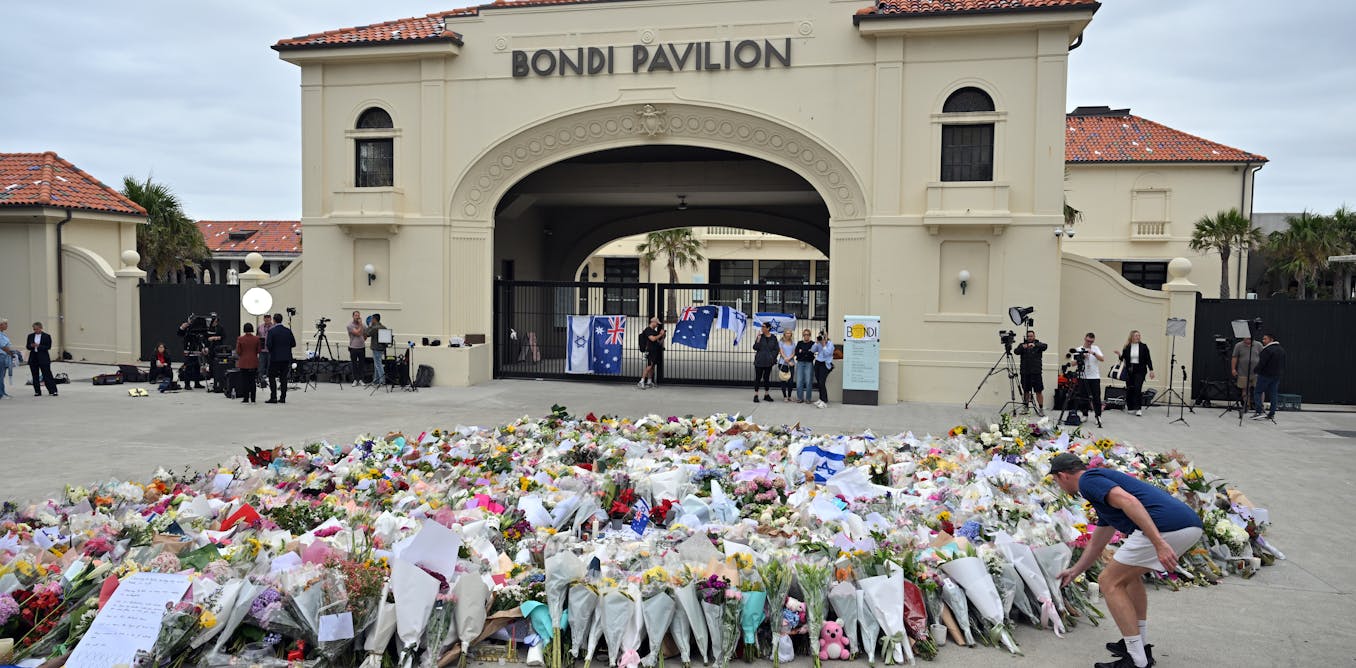
After the Bondi beach terror attack on Sunday, psychologists warn that distress spreads beyond direct victims through media, rumours and social networks. The article cites research linking heavy exposure to higher short-term stress and post-traumatic symptoms, and outlines three evidence-based public actions—reduce graphic exposure, prioritise verification, and avoid group blame—to limit secondary harm and aid recovery.
Key Points
- 1Shows distress ripples beyond survivors after Bondi attack, affecting remote observers via media exposure
- 2Highlights rumours, outrage, and AI errors that amplify fear and prolong population stress
- 3Recommends reducing graphic exposure, slowing verification, and avoiding group blame to limit secondary harm
Scoring Rationale
Practical, evidence-based guidance with credible examples, but offers no new empirical research or policy changes.
Sources
Public references used for this report.
Practice interview problems based on real data
1,625 SQL & Python problems across 15 industry datasets — the exact type of data you work with.
Try 250 free problems