
Prabowo Urges Polri to Master AI and Maintain Public Trust
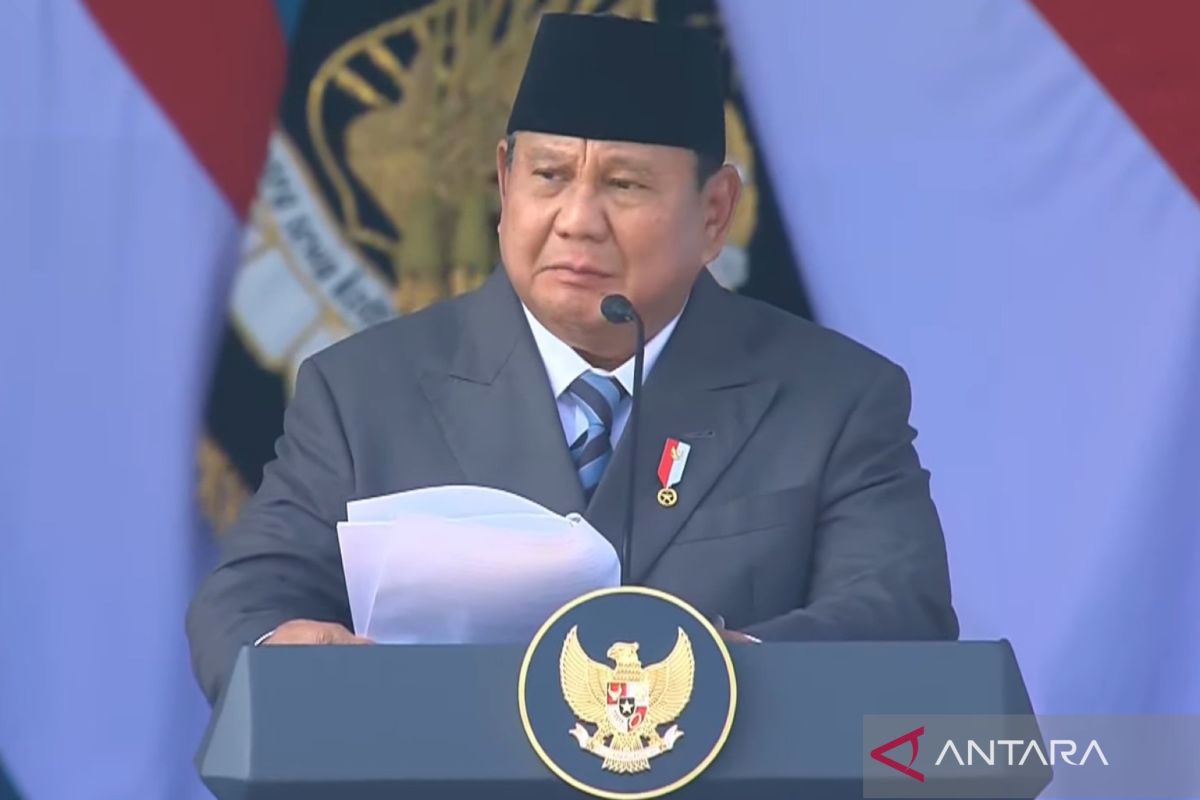
For AI and data practitioners, public-security institutions signalling an intent to "master AI" usually increases demand for applied analytics, operational ML tools, and ethics-compliance capabilities across procurement and vendor partnerships. Antara reports President Prabowo Subianto, speaking at the 80th Bhayangkara Day in Cikeas, Bogor, outlined six messages to the Indonesian National Police (Polri) that included maintaining public trust and improving professionalism by mastering science, technology and artificial intelligence (AI). Antara quotes him: "First, maintain the people's trust. Because trust is a police officer's strongest weapon," and also records calls to protect vulnerable groups and strengthen synergy with the Indonesian Defense Forces (TNI) and community leaders. Antara further reports Prabowo urged continuous internal improvement and humility within Polri.
Announcements from national-security bodies that stress the need to "master AI" commonly create near-term demand signals for operational AI tools (forensics, case triage, video analytics), compliance tooling (explainability, audit logging), and training programs for non-technical users. For practitioners building solutions for government and law enforcement, those offerings tend to face high scrutiny on bias, transparency, and legal admissibility.
What happened
Antara reports President Prabowo Subianto delivered a message at the 80th Bhayangkara Day commemoration at the Brimob Training Unit in Cikeas, Bogor. Antara says he outlined six key messages to the Indonesian National Police (Polri), including maintaining public trust and improving professionalism by mastering science, technology, and AI. Antara quotes him: "First, maintain the people's trust. Because trust is a police officer's strongest weapon." The report also records his calls to remain close to the community, ensure just law enforcement, protect vulnerable groups, strengthen synergy with the Indonesian Defense Forces (TNI) and other civic leaders, and pursue continuous internal improvement with humility. Antara attributes the reporting to Maria Cicilia G, Aditya Ramadhan and Resinta S.
Editorial analysis - technical context
- •Operational priorities: When security agencies emphasise AI mastery, typical short-term technology needs include automated evidence processing, video and image analytics at scale, natural-language tools for case summarization, and ML pipelines that integrate with existing case-management systems. These integrations raise requirements for data labeling quality, secure data enclaves, and chain-of-custody logging.
- •Governance and risk: Agencies adopting AI face scrutiny over algorithmic bias, explainability, and legal admissibility of outputs. Industry patterns show procurement often includes third-party audits, red-teaming, and requirements for interpretable models or human-in-the-loop workflows.
What to watch
- •Public procurement notices for AI/analytics tools from Polri or the Ministry of Home Affairs.
- •Training partnerships or certification programs announced with universities or vendors.
- •Any pilot projects (video analytics, predictive policing prototypes) and accompanying transparency or oversight mechanisms.
Observed patterns in similar transitions: civil-security AI adoption frequently accelerates vendor demand for turnkey solutions but also triggers public-interest scrutiny and regulatory requirements for oversight and auditability. Practitioners should expect technical and compliance constraints to shape system design and deployment timelines.
Key Points
- 1Government calls to 'master AI' typically drive demand for operational analytics, forensics, and training in law-enforcement contexts.
- 2Adoption in policing elevates requirements for explainability, chain-of-custody, and bias mitigation in deployed models.
- 3Cross-agency synergy priorities increase the need for secure data sharing, interoperable APIs, and audited ML pipelines.
Scoring Rationale
A presidential speech at a national police anniversary urging Polri to 'master AI' creates a mild demand signal for government-sector AI tooling and training in Indonesia, but contains no specific funding, procurement, or implementation commitments. Regional policy event with limited direct practitioner impact outside Southeast Asia government/vendor markets.
Sources
Public references used for this report.
Practice interview problems based on real data
1,625 SQL & Python problems across 15 industry datasets — the exact type of data you work with.
Try 250 free problems
