Pollan Explores Consciousness Limits In New Book
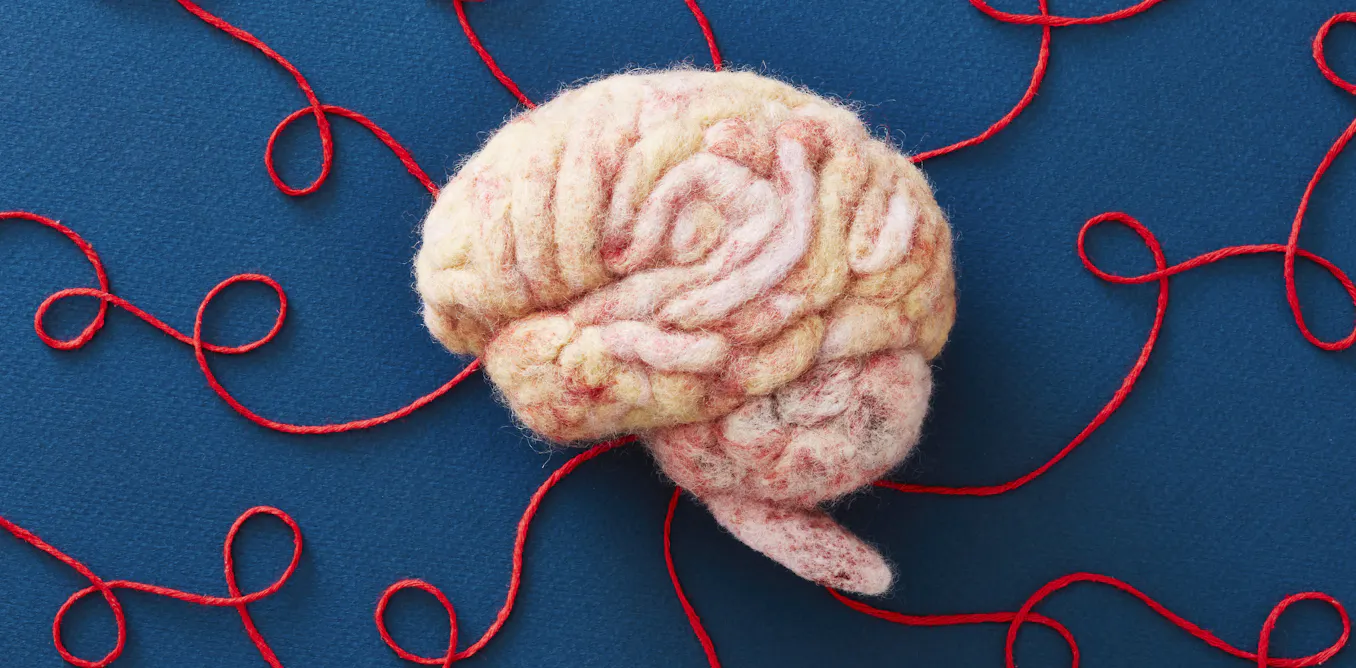
Michael Pollan's new book, A World Appears: A Journey Into Consciousness, examines contemporary debates in consciousness studies, focusing on sentience, feeling, thinking and the self. The review highlights surprising evidence for plant goal-directed behavior, arguments for embodied and affective bases of consciousness, and Pollan’s skepticism about equating subjective feeling with computable software. The book surveys leading thinkers and underscores persistent theoretical disagreement.
Key Points
- 1Presents evidence of plant goal-directed behavior and responses akin to pain and anaesthesia.
- 2Argues consciousness is embodied and affective, challenging brain-centric computational models of subjective feeling.
- 3Suggests AI consciousness claims may be premature, urging caution among developers and theorists.
Scoring Rationale
Synthesis of authoritative perspectives drives score; lacking novel empirical findings or actionable technical guidance limits higher impact.
Sources
Public references used for this report.
Practice interview problems based on real data
1,625 SQL & Python problems across 15 industry datasets — the exact type of data you work with.
Try 250 free problems