PewDiePie Releases Open-Source Odysseus AI Workspace
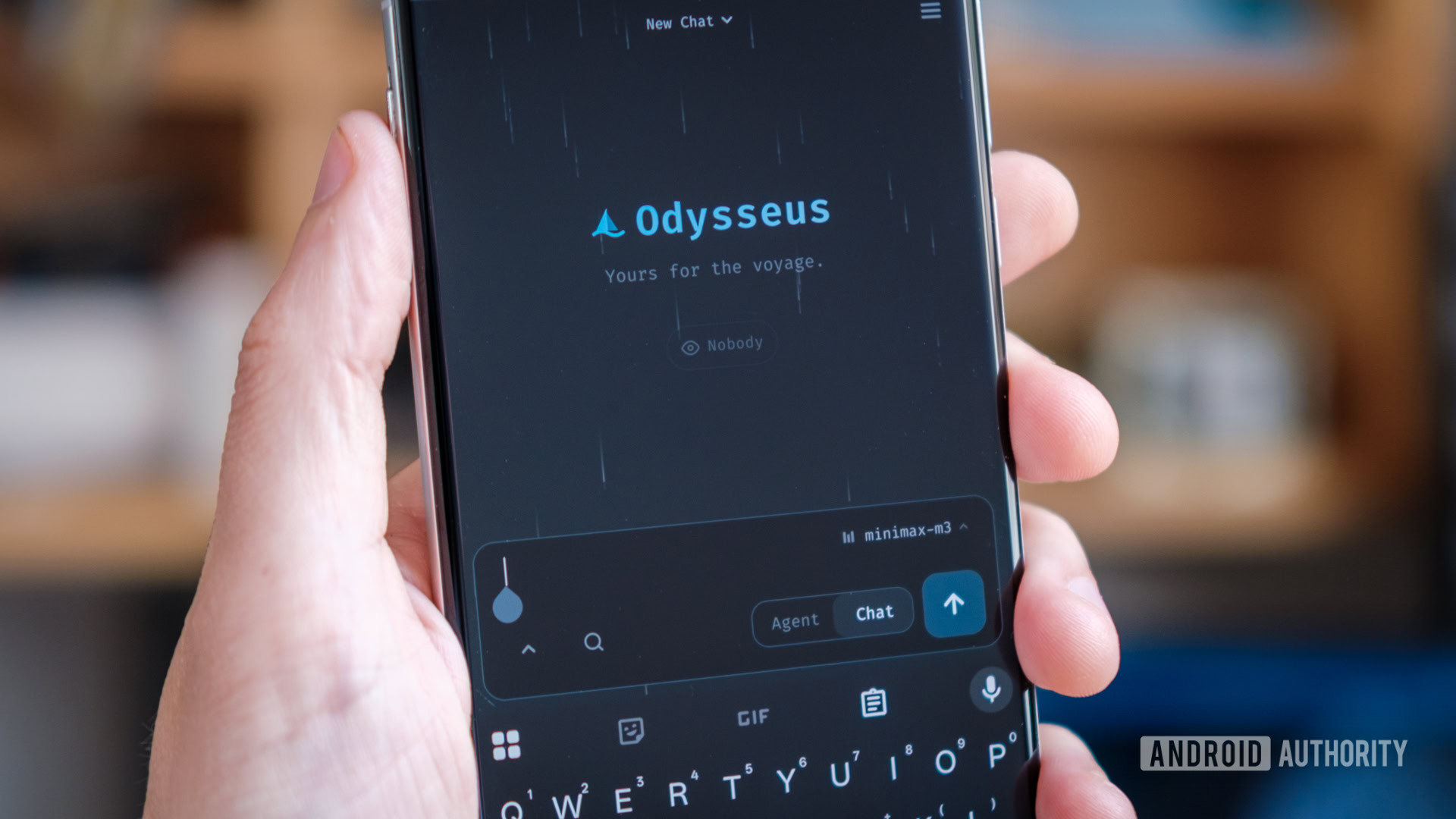
Odysseus is a self-hosted AI workspace publicly released in 2026 by the PewDiePie-linked open-source project, bundling chat, agents, deep research, documents, email and local-model workflows into one interface. The project docs describe Docker and native setup paths, support for local runtimes such as llama.cpp, Ollama and LM Studio, and optional cloud API integrations; Android Authority and XDA published hands-on coverage of the workflow. For practitioners, the useful signal is not celebrity novelty but packaging: local AI is moving from separate demos toward integrated workspaces where model selection, privacy controls and day-to-day productivity tools sit in the same auditable deployment surface.
Odysseus is useful to practitioners because it shows local AI moving from scattered demos into product-shaped workspaces. The project packages model serving, agents, research and productivity tools behind one interface, which lowers setup friction but makes operator security and maintenance discipline more important.
What happened
The Odysseus project describes itself as an open-source, self-hosted AI workspace with chat, agents, deep research, documents, email, notes, calendar, model comparison and local model workflows. The official site and GitHub README point users to Docker and native setup paths, while the setup documentation lists local runtimes such as llama.cpp, Ollama, LM Studio and vLLM alongside optional cloud API connections. Android Authority and XDA published hands-on reviews that frame the project as a privacy-forward local AI workspace.
Technical context
The notable pattern is integration. A single UI for chat, tools, model comparison and documents reduces the manual glue work that normally sits between a local model server, a retrieval or research flow and a writing surface. The trade-off is that a self-hosted workspace becomes production-like infrastructure once it stores documents, email, API keys or model outputs.
For practitioners
Treat Odysseus like a service, not a toy install. Keep authentication enabled, bind services conservatively, back up workspace data, manage model downloads deliberately and separate local credentials from source control. The AGPL license and public repository make inspection easier, but they do not remove the need for patching, threat modeling and user-permission review.
What to watch
Watch GitHub issues, pull requests and security disclosures to see whether community adoption turns the project into durable local-AI infrastructure. Also watch whether model-serving integrations, hardware-aware recommendations and enterprise identity support mature beyond enthusiast workflows.
Key Points
- 1Odysseus packages chat, agents, research, documents and model serving into a single self-hosted workspace surface.
- 2Local-first deployments reduce third-party data exposure but shift authentication, patching and key management directly onto operators.
- 3Model cookbooks and comparison tools make hardware-aware local model selection less manual for practitioners testing constrained GPUs.
Scoring Rationale
Odysseus is a solid developer-tools story because it packages local models, agents and productivity workflows into a usable self-hosted workspace. The score remains in the solid range because adoption and security maturity are still early, and the story is more tooling pattern than industry-shaking release.
Sources
Public references used for this report.
View 4 more sources
- I tried PewDiePie's open-source AI workspace, and it's weirdly greatxda-developers.com
- Odysseus is PewDiePie's open-source self-hosted AI workspace ...mindstudio.ai
- PewDiePie Releases His Own Self-Hosted AI Workspace for Free80.lv
- Pewdiepie releases free, local AI workspace, Odysseus | Cybernewscybernews.com
Practice interview problems based on real data
1,625 SQL & Python problems across 15 industry datasets — the exact type of data you work with.
Try 250 free problems