Payments Firms Prioritize AI Judgment Over Full Automation
AI is already embedded across payments workflows, but speed without human oversight creates outsized risk. Maverick Payments emphasizes a deliberate, hybrid approach: apply AI to repetitive, data-heavy tasks like KYC checks and anomaly detection while reserving complex, high-risk decisions to experienced operators. Governance breaks down when AI outputs are treated as conclusions rather than inputs, especially where third-party data and vendor models obscure assumptions, retention policies, and accountability. Strong visibility into inputs, model behavior, and incident pathways is essential. The recommended posture for payments teams is pragmatic: accelerate routine processing with AI, formalize guardrails and human-in-the-loop checkpoints for edge cases, and map responsibility across vendor relationships to contain systemic risk.
What happened
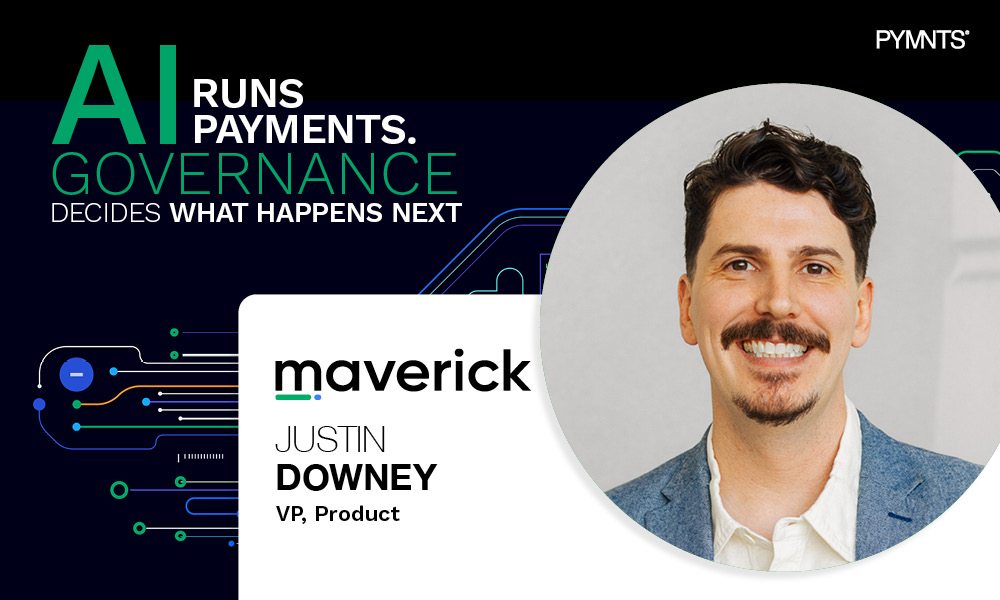
The payments industry is shifting from automation-first deployments to a governance-first posture. In a PYMNTS piece, Justin Downey, VP of Product at Maverick Payments, argues that the real competitive edge from AI in payments is improved judgment, not full automation. He recommends using AI to accelerate routine work while keeping final, complex decisions with humans to prevent scale failures and missed nuances.
Technical details
AI is useful for signal aggregation, pattern detection, validation, and surfacing anomalies in non-complex flows. Practitioners should treat model outputs as inputs to decision pipelines rather than final determinations. Key operational recommendations include:
- •Establishing human-in-the-loop checkpoints for KYC, high-risk decline decisions, and dispute resolution
- •Instrumenting logging and explainability layers so assumptions from vendor models are auditable
- •Defining clear data retention and provenance rules across third-party feeds
Context and significance
Payments systems operate at high velocity and high financial leverage, so small model errors compound quickly. The article reinforces a broader trend: organizations that pair fast ML inference with robust governance avoid both false positives that erode revenue and false negatives that create fraud exposure. Third-party model dependence amplifies governance complexity because vendor assumptions, training data, and retention policies become part of your attack surface and compliance footprint.
Operational playbook
For engineering and risk teams, practical steps are:
- •Prioritize automation for high-volume, low-risk tasks while keeping human review for exceptions
- •Instrument confidence thresholds, rollback gates, and monitoring for distribution drift
- •Contractually require transparency from vendors on model inputs, update cadences, and incident escalation
What to watch
Expect more payments firms to publish hybrid governance patterns and for regulators to press for vendor transparency in model-driven decisioning. The unresolved questions are where to set confidence thresholds and how to balance throughput against auditability.
Key Points
- 1Treat AI outputs as inputs not conclusions, because unreviewed automation compounds small errors into systemic risk.
- 2Hybrid workflows, keeping humans on final decisions for complex cases, balance speed with accountability and reduce missed opportunities.
- 3Third-party data and vendor models demand contractual transparency, logging, and provenance tracking to maintain governance and compliance.
Scoring Rationale
The piece is a practical governance brief highly relevant to payments and risk teams but not a model or infrastructure breakthrough. It provides actionable operational guidance for hybrid AI deployments, so it's notable rather than industry-shaking.
Practice with real Payments data
90 SQL & Python problems · 15 industry datasets
250 free problems · No credit card
See all Payments problems