Pat Gelsinger Leads Gloo's Technology and AI Push
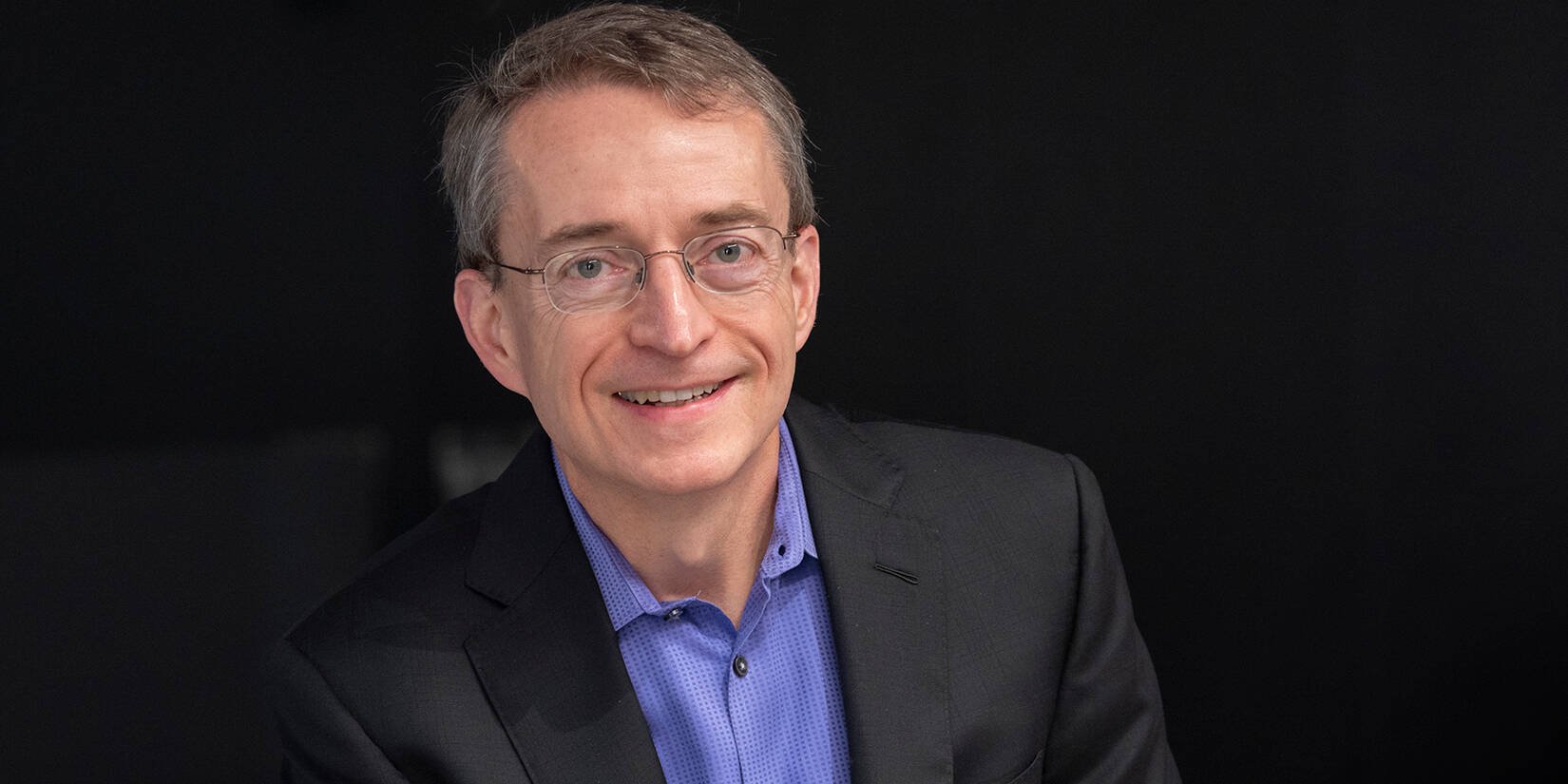
Pat Gelsinger expands his role at Gloo, becoming Executive Chair and Head of Technology to lead product and engineering, including Gloo AI. He will prioritize building a vertical industry cloud for the U.S. faith ecosystem and advancing what he calls "values-aligned AI." Gelsinger brings four decades of technology leadership, including CEO stints at Intel and VMware, and a long-running board relationship with Gloo. The role signals a shift from mainstream semiconductor and enterprise infrastructure to a purpose-driven, industry-specific cloud and ML effort targeting roughly 450,000 faith organizations. Expect product architecture, data governance, and alignment frameworks to be immediate priorities as Gloo scales its platform and developer capabilities.
What happened
Pat Gelsinger has formally expanded his involvement at Gloo, taking the titles of Executive Chair and Head of Technology and assuming direct leadership of product and engineering, including Gloo AI. He will lead the effort to build a vertical industry cloud for the U.S. faith ecosystem and to operationalize what he describes as "values-aligned AI." Gelsinger has been a board member and investor in Gloo for nearly a decade and brings more than forty years of technology-sector experience, including senior leadership at Intel and VMware.
Technical details
Gelsinger's mandate centers on three technical pillars: product platform development, industry cloud architecture, and values-driven ML. Practitioners should expect workstreams that include:
- •building a multi-tenant vertical industry cloud tailored for faith organizations with integration points for CRM, content management, and community engagement
- •developing Gloo AI capabilities around sermon assistance, educational content generation, and outreach analytics while embedding alignment and value constraints
- •strengthening data governance, consent, and provenance controls to handle sensitive community and donor data at scale
He will likely direct engineering choices around cloud-native microservices, tenant isolation, role-based access controls, and controlled LLM inference endpoints with guardrails. Expect emphasis on contextualization layers that adapt base models to faith-specific ontologies and policy filters that encode organizational values into model outputs.
Context and significance
This hire is notable because it pairs a high-profile, enterprise-scale systems leader with a narrowly focused vertical platform. Gelsinger's presence increases Gloo's credibility when courting enterprise partners, donors, and platform integrators. The market scope is significant: the U.S. faith ecosystem covers roughly 450,000 institutions, a fragmented addressable market that has lagged in digitization. Gloo's approach mirrors broader industry trends where organizations build vertical clouds and application-specific AI stacks rather than relying solely on general-purpose LLMs. "Now more than ever, there is great need for faith-based communities to take an active role in ensuring we shape technology as a force for good," Gelsinger said, signaling that product decisions will be driven by explicit value alignment and risk mitigation.
For ML engineers and product teams, this matters because it highlights demand for specialized model adaptation, stronger alignment tooling, and domain-aware data pipelines. Companies that supply MLOps, model governance, embeddings stores, and secure inference will find an entry point in verticalizing AI for faith organizations.
What to watch
Track Gloo's architecture choices, partner ecosystem, and whether Gloo AI uses third-party foundations or develops proprietary models. Also watch for announced standards or frameworks Gloo introduces for "values-aligned AI," which could influence alignment tooling and governance priorities across other vertical clouds.
Key Points
- 1Gelsinger will lead product, engineering, and Gloo AI, signaling an enterprise-grade push into a niche vertical cloud for faith organizations.
- 2Focus on "values-aligned AI" means engineering work will prioritize alignment mechanisms, governance, and domain-specific model adaptation.
- 3The opportunity targets a large, fragmented market of about 450,000 faith organizations, creating demand for tailored cloud, data, and MLOps solutions.
Scoring Rationale
This is a notable executive move because Gelsinger is a high-profile technologist shifting from mainstream infrastructure to a focused, vertical AI product. The story matters for practitioners interested in vertical clouds, alignment tooling, and MLOps, but it does not introduce a new model or regulatory shift, so its impact is mid-tier.
Sources
Public references used for this report.
Practice interview problems based on real data
1,625 SQL & Python problems across 15 industry datasets — the exact type of data you work with.
Try 250 free problems