
Analysispan africanismdecolonizationnkrumahpolitical history
Pan-Africanism Faces Postcolonial Decline And Limits
5.1
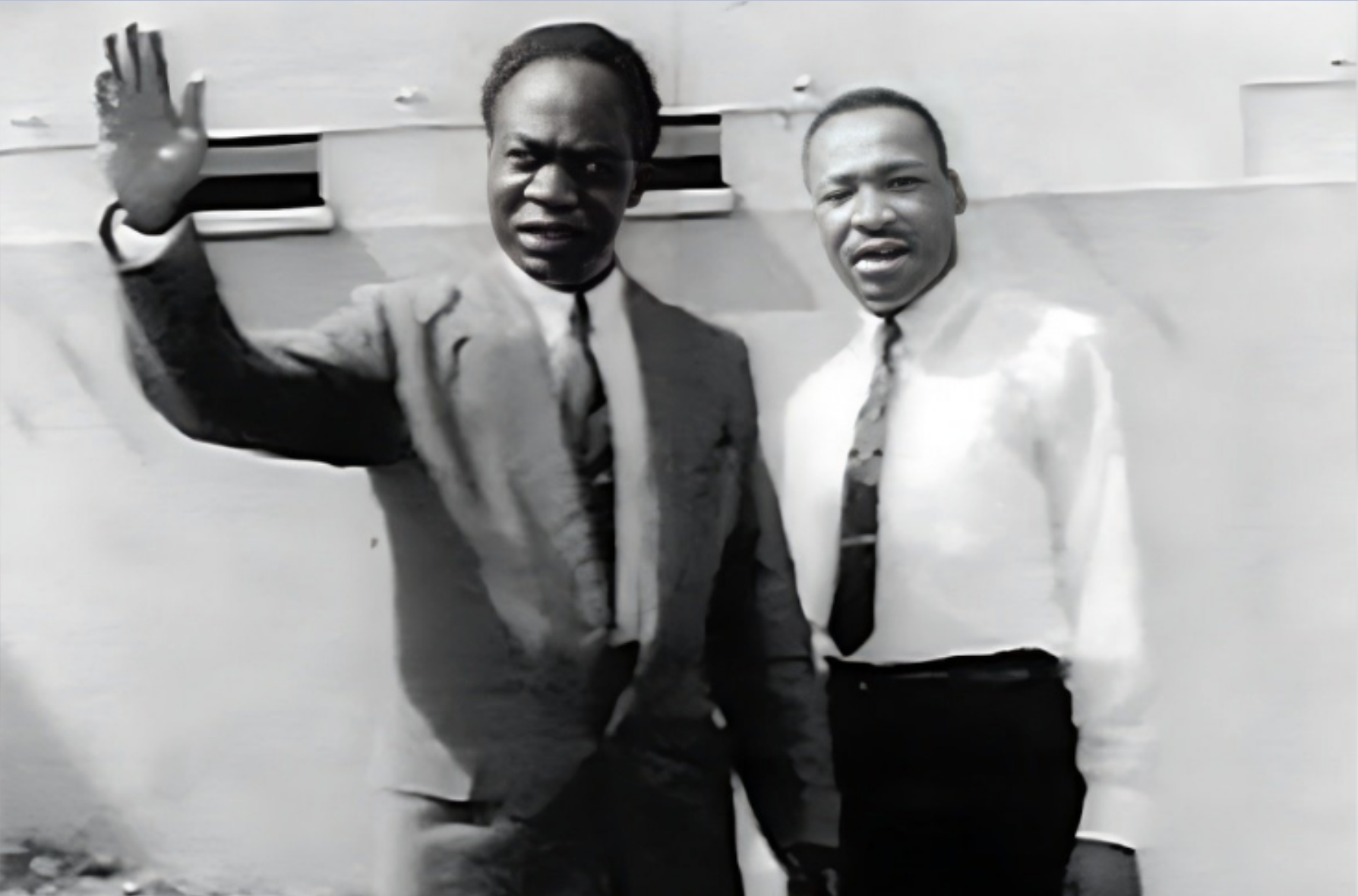
Howard W. French's The Second Emancipation traces mid-20th-century Pan-Africanism and Kwame Nkrumah's central role linking African decolonization, US civil rights, and Caribbean thought. French argues Ghana's 1957 independence marked a symbolic global emancipation that later faltered as neocolonial state capture and the failure to build transnational working-class institutions undercut substantive sovereignty and diasporic solidarity.
Key Points
- 1Positions decolonization as a global 'second emancipation' centered on Nkrumah and 1950s liberation movements
- 2Argues Pan-Africanism declined due to neocolonial state capture and weakened transnational mass organization
- 3Urges rebuilding cross-border working-class institutions to reconnect Africa and diasporic political solidarity
Scoring Rationale
Strong historical synthesis and credible author; limited practical relevance for data science or contemporary policy implementation.
Practice interview problems based on real data
1,625 SQL & Python problems across 15 industry datasets — the exact type of data you work with.
Try 250 free problems
