OpenAI Updates ChatGPT Images With Web-Enabled Multi-Image Generator
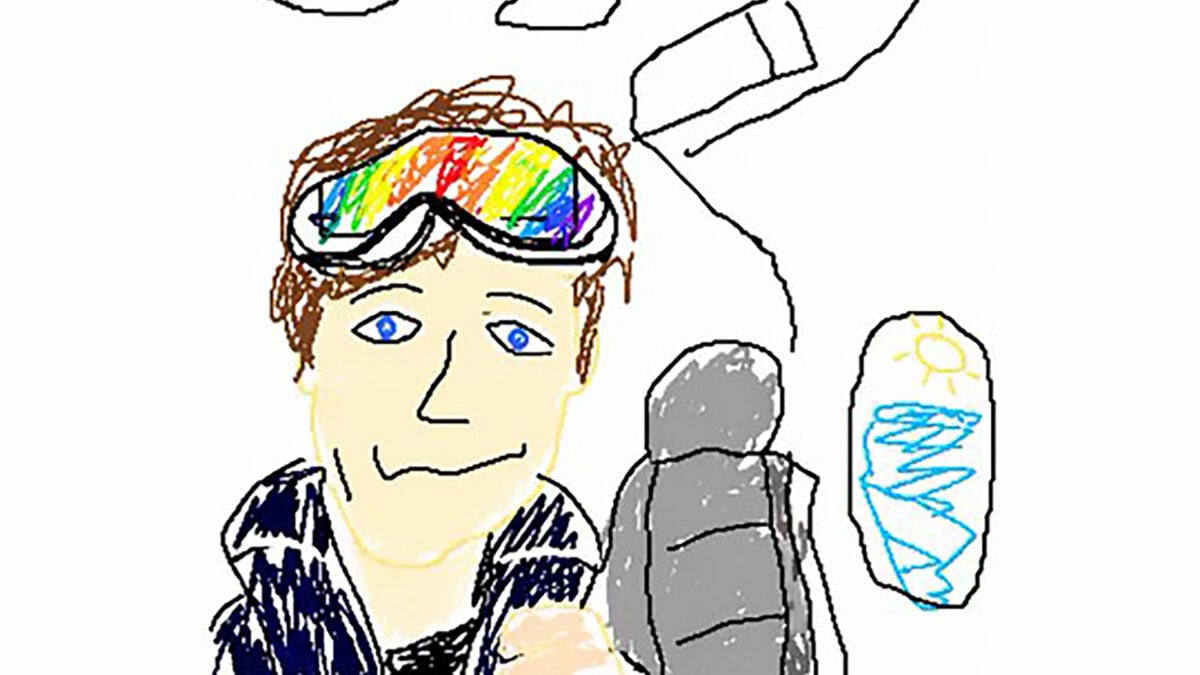
OpenAI announced ChatGPT Images 2.0, powered by GPT Image 2, in an April 21, 2026 blog post and coverage by The Verge. Per OpenAI and The Verge, the update adds web "thinking" capabilities that let the image generator pull information from the web, reason about image structure before rendering, and create up to eight coherent images from a single prompt; it can produce images up to 2K and more aspect ratios. OpenAI's December 16, 2025 release introduced an earlier Images model available as GPT Image 1.5 in the API, which Fortune reported as offering up to 4x faster edits than the prior generation. Separately, Gizmodo documents a user-driven trend of prompting the new model to produce MS Paint-style doodles, with examples shared on Threads and X by users including @withgrdnrush and @arrakis_ai.
What happened
OpenAI published a product update on April 21, 2026 introducing ChatGPT Images 2.0, powered by GPT Image 2, according to OpenAI's blog and reporting by The Verge. Per The Verge and OpenAI, the update adds web-enabled "thinking" capabilities that allow the model to pull information from the web and to `reason through the structure of the image before generating. The Verge reports ChatGPT Images 2.0 can produce up to **eight** images at once while keeping characters, objects, and styles consistent, and generate images at resolutions up to **2K** and in wider aspect ratios. OpenAI's December 16, 2025 announcement introduced an earlier Images model and a redesigned Images experience, with OpenAI saying the prior model (exposed as GPT Image 1.5` in the API) produces edits up to 4x faster, a figure reported by Fortune attributing OpenAI's communications.
Technical details
Editorial analysis - technical context: Reporting identifies two concrete changes in the new Images pipeline: first, selective web retrieval and "reasoning" before render, which functions as a grounding and planning step for complex prompts; second, emphasis on multi-image consistency, enabling the same characters and objects to persist across generated frames. These are reflected in OpenAI's product notes and The Verge's coverage. The product also claims improvements in instruction following, finer-grained edits, and better handling of text in images, all items enumerated in OpenAI's posts and in The Verge's feature writeup.
Context and significance
Industry context: Public reporting places this release in competitive pressure with Google's image efforts, with Fortune recounting that Google's Nano Banana releases and user growth helped prompt a company-wide push at OpenAI. For practitioners, models that add web grounding and multi-image consistency reduce manual steps in tasks such as storyboarding, UX mockups, and multiplatform asset generation, while raising the bar for evaluation of dataset provenance, prompt robustness, and visual fidelity. Gizmodo's coverage highlights a separate user-driven pattern: prompting GPT Image 2 to emulate crude MS Paint-style doodles produced viral examples on Threads and X, illustrating both the model's stylistic control and cultural reaction to AI-generated mimicry.
What to watch
For practitioners and teams evaluating image tools, observers should monitor real-world API performance vs. marketing claims (throughput, latency, edit fidelity), third-party benchmarks like ZDNET's head-to-head tests against Google Nano Banana, and the product documentation for content-moderation and licensing terms. Industry reporting will also track adoption in creative toolchains, the emergence of prompt patterns that exploit multi-image consistency, and any platform-level policy updates addressing stylistic imitation or copyrighted style concerns.
Bottom line
Reported product changes combine higher-level planning (web-enabled thinking) and practical gains (multi-image consistency, higher resolution, faster edits in the previous generation). Editorial analysis: Companies rolling out similar features have historically seen quick uptake among design and prototyping teams, alongside renewed scrutiny on provenance, evaluation metrics, and licensing compliance.
Key Points
- 1ChatGPT Images 2.0 adds web-enabled `thinking` and multi-image generation, enabling consistent sequences useful for storyboarding and mockups.
- 2OpenAI previously shipped an Images model as GPT Image 1.5, which Fortune reported delivers up to 4x faster editing than the prior generation.
- 3User prompts driving MS Paint-style outputs, documented by Gizmodo, show consumer-led stylistic tests that reveal strengths and cultural pushback.
Scoring Rationale
The update introduces useful capabilities-web grounding and multi-image consistency-that matter to designers and ML practitioners testing image pipelines. It is a notable product advance but not a fundamental paradigm shift. Recent reporting reduces freshness, moderating the score.
Sources
Public references used for this report.
Practice interview problems based on real data
1,625 SQL & Python problems across 15 industry datasets — the exact type of data you work with.
Try 250 free problems