OpenAI Releases ChatGPT Images 2.0, Improves Rendering
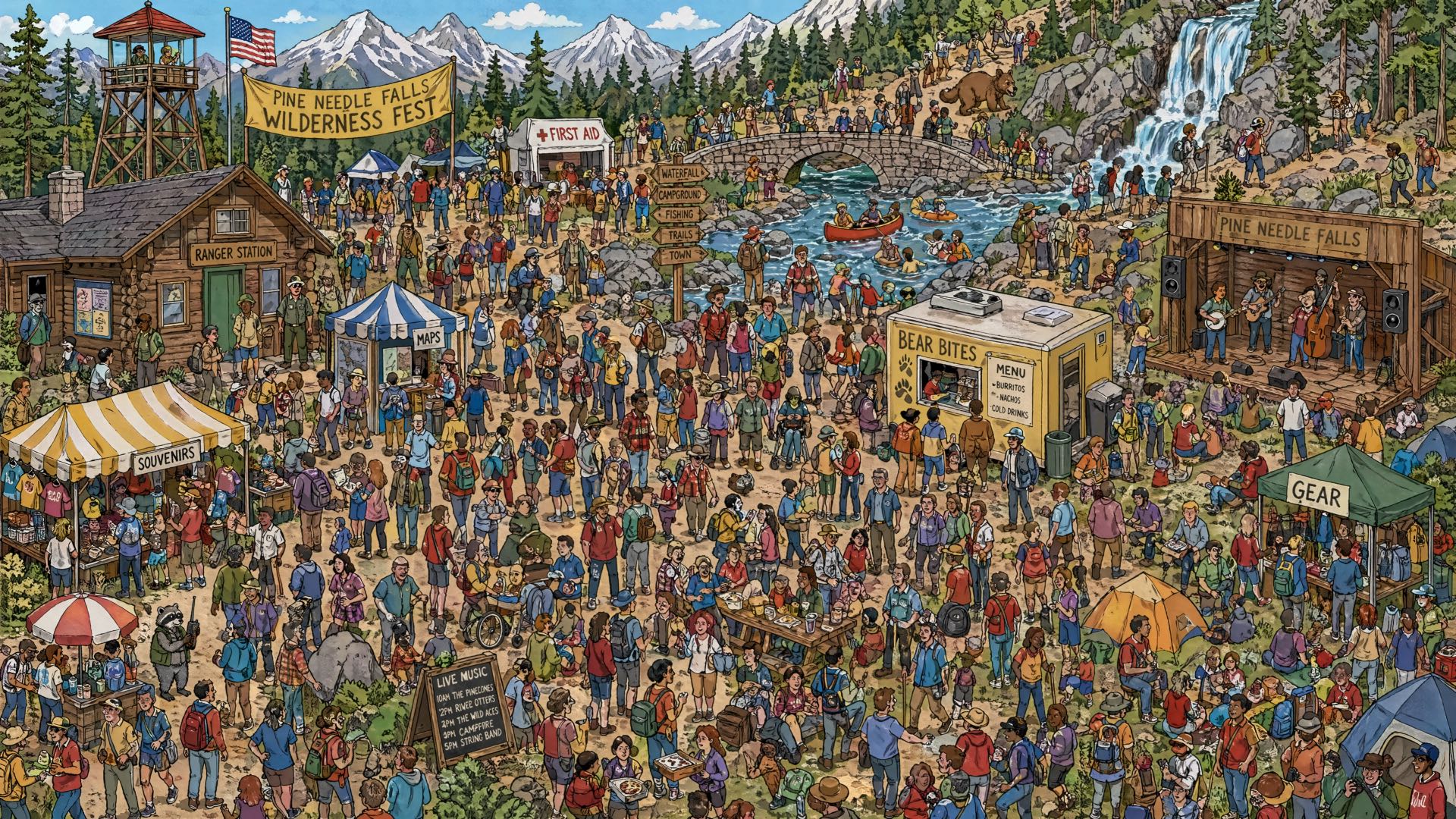
OpenAI launched ChatGPT Images 2.0, powered by the new model `gpt-image-2`, delivering a step change in image generation quality and control. The release adds "thinking capabilities" that let the model search the web, reason about image structure before generation, and produce up to 8 images from a single prompt while preserving characters, objects, and style across frames. Images 2.0 raises resolution to 2K, supports wider aspect ratios up to 3:1 and tall formats to 1:3, and notably improves rendering of dense and non-Latin text (Japanese, Korean, Chinese, Hindi, Bengali). Early hands-on reviews praise design fidelity and text rendering; OpenAI has not disclosed the model architecture. Availability: base improvements for all users, thinking-enabled features for ChatGPT Plus, Pro, Business, and Enterprise subscribers.
What happened
OpenAI released ChatGPT Images 2.0 today, powered by the new image model `gpt-image-2` and positioned as a "step change" for image generation. The system introduces built-in reasoning and web access, enabling it to plan and verify compositions, create up to 8 images from a single prompt with consistent characters and styles, and produce outputs at up to 2K resolution across aspect ratios as wide as 3:1 and as tall as 1:3.
Technical details
OpenAI describes new "thinking capabilities" that let the image model search the web, reason through the structure of a scene before rendering, and double-check outputs for fidelity and consistency. The upgrade targets three longstanding weaknesses in image generation: text rendering, object placement/coherence across panels, and design-level precision. Key capabilities include:
- •Multi-image consistency: produce a series of images that keep the same characters, objects, and style across frames, useful for comics, storyboards, and multi-size marketing assets
- •Improved text rendering: significant gains on dense and non-Latin scripts, explicitly improving Japanese, Korean, Chinese, Hindi, and Bengali
- •Higher fidelity outputs: support for 2K resolution and flexible aspect ratios from 3:1 to 1:3
- •Batch generation: produce up to 8 images in one request while preserving relationships across outputs
OpenAI has not disclosed whether gpt-image-2 is diffusion-based, autoregressive, or a hybrid. TechCrunch reports OpenAI declined to confirm architectural details during briefings. The product rollout gives all ChatGPT users access to better single-image fidelity while gating the full thinking-enabled workflow to ChatGPT Plus, Pro, Business, and Enterprise subscribers.
Context and significance
Image generation over the last three years improved rapidly but often struggled with readable, accurate on-image text and with maintaining coherence across multiple panels. The shift here is twofold: first, practical usability for design tasks that need text-heavy outputs, and second, procedural reasoning baked into image generation workflows. By integrating retrieval and reasoning into the image pipeline, OpenAI is moving image models closer to the multi-step workflows developers currently script around LLMs and separate image tools. That elevates image models from one-shot aesthetic generators to tools that can follow multi-step constraints, reference web resources, and produce serial outputs for product design, comics, UI mockups, and advertising.
Competitors will feel pressure on two fronts. Systems that still rely purely on diffusion without higher-level planning will struggle to match consistent multi-panel outputs and reliable text rendering. At the same time, companies like Google and Microsoft, and open-source projects focused on multimodal reasoning, will need to respond with similar integrations of retrieval and structure-aware generation.
What to watch
Monitor developer and enterprise uptake for tasks that require accurate on-image text and multi-frame consistency, such as localization, UI/UX prototyping, and comic or storyboard production. Also watch for follow-up disclosures about gpt-image-2 architecture and any new guardrails or provenance features tied to web retrieval. Finally, verify how the model handles copyrighted styles and whether policy or API changes follow to address reuse and attribution concerns.
Bottom line
ChatGPT Images 2.0 packages higher fidelity, better multilingual text rendering, and workflow-friendly multi-image consistency into a single product. For practitioners, it reduces the need for post-processing and multi-tool orchestration in many design tasks, but the lack of published architecture details means real-world evaluation and stress testing remain essential before production adoption.
Key Points
- 1Integrated retrieval and reasoning lift image generation from single-shot aesthetics to multi-step, consistent workflows, reducing orchestration overhead.
- 2Significant gains in rendering non-Latin text and dense typography increase utility for localization, UI mockups, and game/art pipelines.
- 3Gating full "thinking" features to paid tiers accelerates enterprise adoption but requires practitioners to validate fidelity and licensing for production use.
Scoring Rationale
OpenAI's release is a major step for image-generation capability because it combines reasoning, retrieval, multi-image consistency, and improved non-Latin text rendering. The change materially affects design and localization workflows, but it is an iteration rather than a new paradigm-shifting model like a frontier LLM release.
Sources
Public references used for this report.
Practice interview problems based on real data
1,625 SQL & Python problems across 15 industry datasets — the exact type of data you work with.
Try 250 free problems