OpenAI launches Daybreak automating vulnerability detection and patching
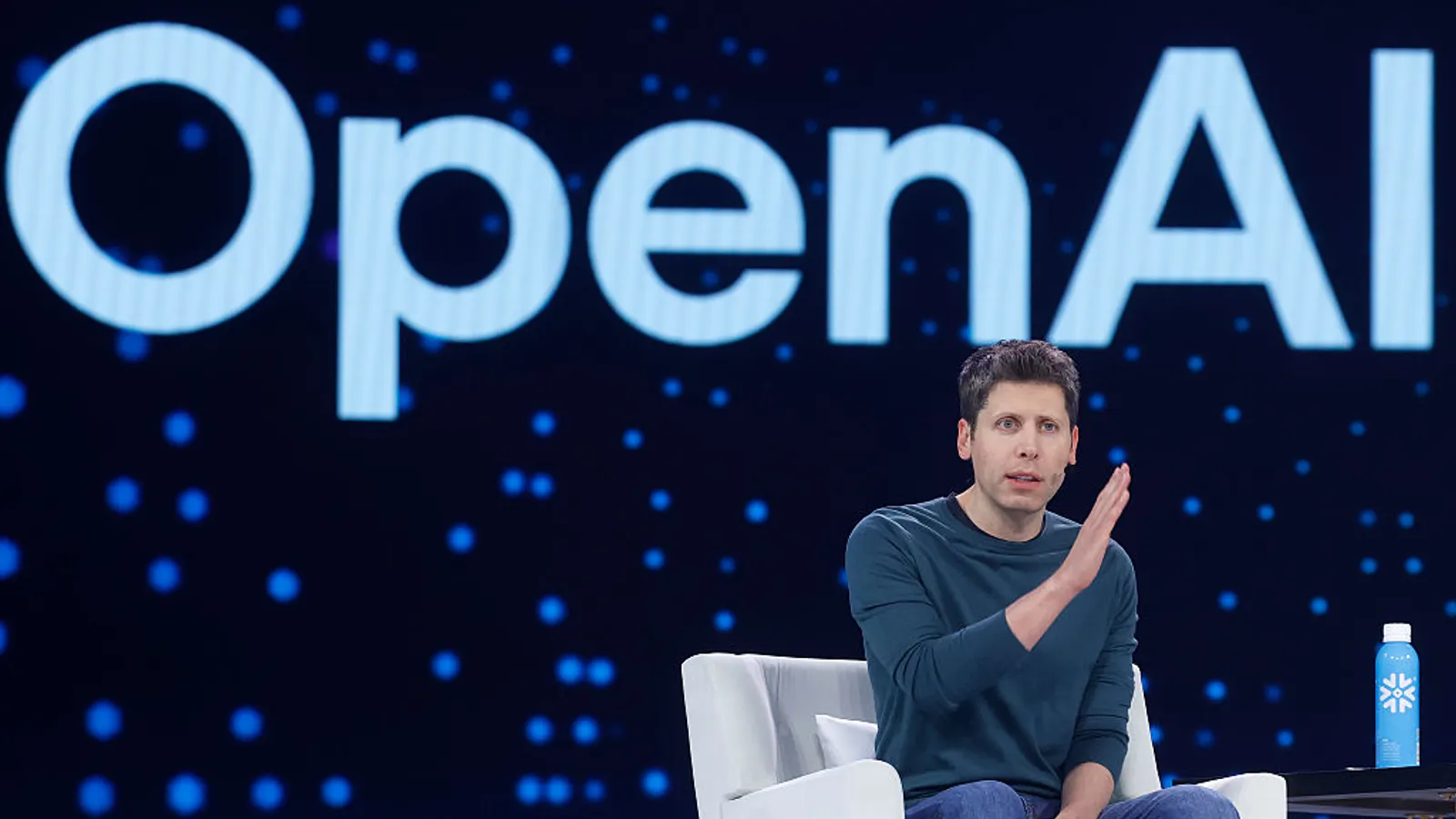
OpenAI launched Daybreak, a security-focused initiative described on its website as "frontier AI for cyber defenders," to help find, validate, and remediate software vulnerabilities, per OpenAI's Daybreak page. Reporting from The Verge and Decrypt notes Daybreak combines OpenAI models with an agentic Codex Security harness and specialized cyber models such as GPT-5.5-Cyber to build editable threat models, validate likely vulnerabilities in isolated environments, and generate and test patches directly in repositories. OpenAI's Daybreak page says the company is working with "industry and government partners" as it prepares to deploy more cyber-capable models. Coverage emphasizes paired safeguards including scoped access, monitoring, and audit-ready verification.
What happened
OpenAI launched Daybreak, described on its official Daybreak page as "frontier AI for cyber defenders," an initiative intended to embed AI into code review, threat modeling, patch validation, detection, and remediation workflows. The Daybreak page states it "combines the intelligence of OpenAI models, the extensibility of Codex as an agentic harness, and our partners across the security flywheel." The Verge reports Daybreak integrates GPT-5.5-Cyber and Codex Security, and other outlets including Decrypt and FoneArena summarize Daybreak's capability set and deployment goals. OpenAI's page quotes the company saying, "In the coming weeks, we're working with our industry and government partners as we prepare to deploy increasingly more cyber-capable models."
Technical details
OpenAI's Daybreak description lists capabilities that organizations can integrate into development pipelines. Reported, on the Daybreak page and in press coverage, capabilities include:
- •secure code review, threat modeling, and building editable threat models from repositories
- •vulnerability detection and validation of likely vulnerabilities in isolated environments
- •automated patch generation and testing directly in repositories, with scoped access and monitoring
- •dependency risk analysis, detection engineering, malware analysis, and automated monitoring/response workflows
The Verge and Decrypt emphasize that Daybreak is not a single model product but a stack combining frontier models, specialized cyber models, and an agentic Codex Security layer to reason across large codebases and validate fixes.
Context and significance
What to watch
Editorial analysis
For practitioners - technical context: Industry-pattern observations: Security tools that use large models to scan code and auto-generate patches typically combine static analysis signals with runtime validation to reduce noisy false positives. Observed patterns in similar deployments show teams rely heavily on isolated test harnesses, reproducible evidence for fixes, and human-in-the-loop review to manage risk and maintain auditability.
Industry context: Major AI vendors expanding into cybersecurity marks a convergence of frontier-model capabilities and operational security tooling. Public reporting frames Daybreak alongside rival efforts such as Anthropic's private security model initiatives, highlighting a competitive wave of model-driven defensive tooling. For defenders and security engineers, integrating model-based reasoning across repositories could materially reduce investigatory backlog and speed remediation when paired with rigorous validation and governance.
Observers should track:
- •how Daybreak enforces scoped repository access and audit logging during patch generation
- •the fidelity of isolated validation environments used to prove exploitability and patch correctness
- •the rollout of specialist cyber models and third-party integrations with SIEM, CI/CD, and bug-tracking systems. Coverage to date includes OpenAI's claims about partner work and safeguards, but independent third-party evaluations of detection accuracy, false-positive rates, and safe-patch correctness will determine operational uptake
Key Points
- 1OpenAI released Daybreak as a multi-component security stack combining frontier models and Codex Security to detect and remediate vulnerabilities.
- 2Industry-pattern observation: Model-driven code scanning typically requires isolated validation, audit trails, and human review to reduce false positives and unsafe patches.
- 3Practitioner impact: If validations hold, integrating AI into CI/CD can cut triage time from hours to minutes but raises governance and access-control requirements.
Scoring Rationale
OpenAI entering defensive cybersecurity with a model-and-agent stack is a notable industry development that could accelerate vulnerability triage and patching for enterprises. The score reflects potential operational impact for security teams, balanced by the need for independent validation and governance.
Sources
Public references used for this report.
Practice interview problems based on real data
1,625 SQL & Python problems across 15 industry datasets — the exact type of data you work with.
Try 250 free problems