OpenAI Explores Legal Options Over Apple ChatGPT Deal
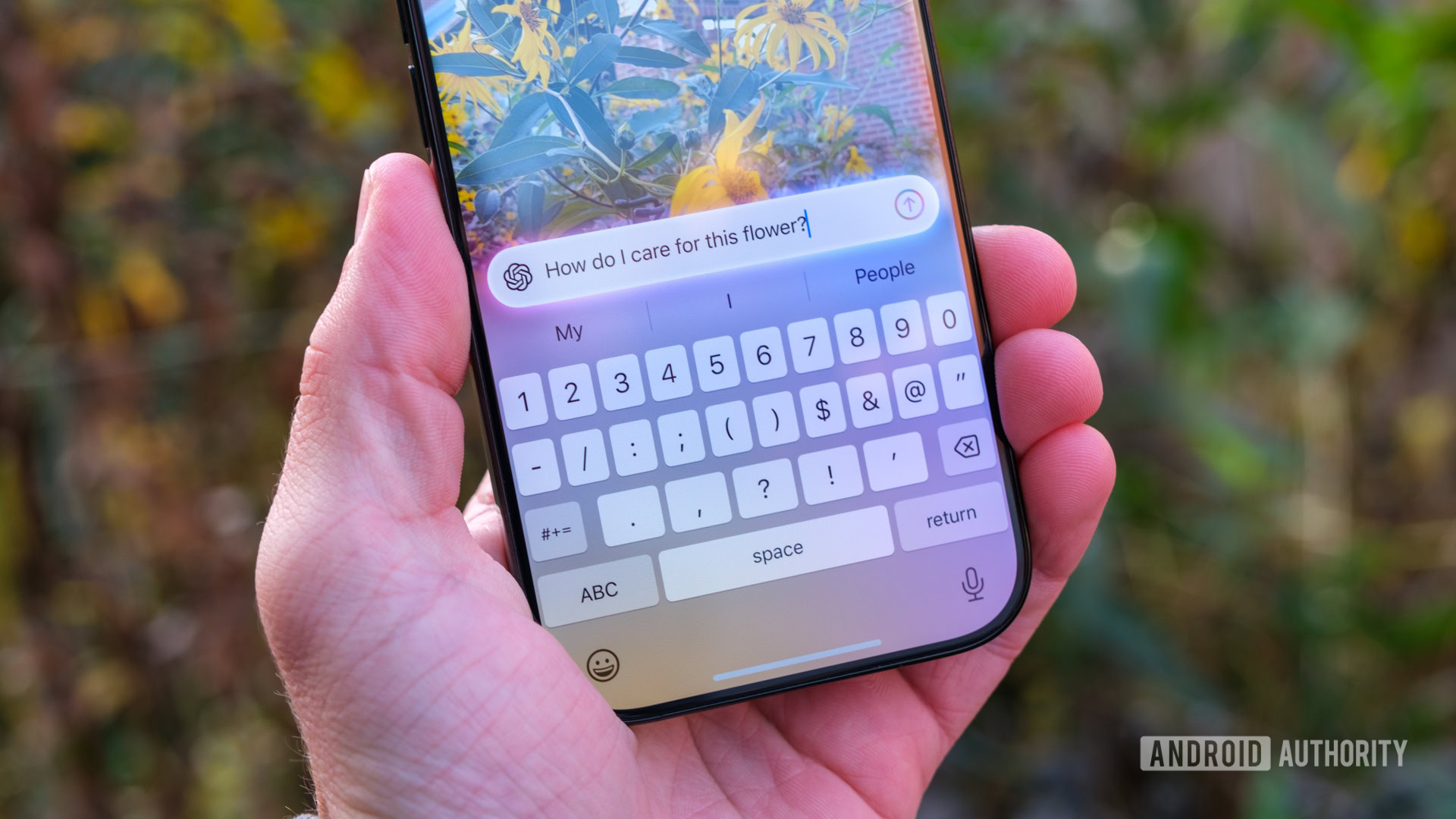
Bloomberg reports that OpenAI is exploring legal options against Apple over their 2024 ChatGPT integration, including the possibility of sending a breach-of-contract notice, Reuters and TechCrunch report. Bloomberg and MacRumors quote unnamed OpenAI executives saying the integration was "buried" in iOS, produced far fewer subscriptions than expected, and that "they haven't even made an honest effort." Reuters and Bloomberg report Apple is separately testing integrations with Google Gemini and Anthropic's Claude in iOS 27, and that ChatGPT's role was never exclusive. Reuters notes OpenAI has enlisted an outside law firm to evaluate options, and several outlets say OpenAI hopes to resolve the dispute without immediate litigation.
What happened
OpenAI is actively exploring legal options against Apple over the companies' 2024 partnership that integrated ChatGPT into iOS features, Bloomberg reports. According to Bloomberg and Reuters, OpenAI lawyers are working with an outside law firm on options that could include sending Apple a formal breach-of-contract notice, though neither side has filed a lawsuit as of the reporting. Bloomberg and MacRumors cite unnamed OpenAI executives who said the integration has been "buried" inside Apple's software, has not driven the subscription growth OpenAI anticipated, and that "they haven't even made an honest effort." Reuters and Bloomberg report Apple is testing integrations with Google Gemini and Anthropic Claude for iOS 27, and several outlets note the original deal was not structured as an exclusive arrangement.
Technical details
Editorial analysis - technical context
Platform integrations like the Apple-OpenAI arrangement typically surface AI services via OS-level UX hooks (Siri, share sheets, visual intelligence) and through in-app subscription funnels. Public reporting describes the current ChatGPT integration as requiring explicit invocation of the trigger word "ChatGPT" inside Siri and delivering truncated responses compared with the standalone app; those implementation details reduce discoverability and funnel conversion in ways observable across mobile-platform integrations.
Context and significance
The dispute highlights a recurring tension when independent AI providers rely on dominant platform owners for distribution. Companies in comparable situations often expect rapid subscription growth from deep OS integration, but platform control over placement, discoverability, and revenue sharing frequently yields outcomes that underperform those expectations. The presence of competing models such as Google Gemini and Anthropic Claude being tested by Apple increases distribution options inside iOS, which industry reporting frames as separate from the legal dispute because the original agreement was not exclusive, per Reuters.
What to watch
Bottom line
Editorial analysis
Observers should track:
- •whether OpenAI formally sends a breach-of-contract notice and the legal grounds Bloomberg reports it is considering
- •any changes to how Apple surfaces third-party AI providers in iOS 27 and public developer documentation
- •subscription-traffic metrics tied to the iOS Settings sign-up flow that outlets have cited as underperforming. Regulatory filings, court filings, or direct statements from either company would be the clearest public signals of escalation or settlement. Absent direct quotes from Apple executives in the current coverage, public reporting indicates OpenAI remains hopeful the issue can be resolved without immediate litigation
For practitioners, the episode is a reminder that platform partnerships can materially affect product distribution and monetization outcomes. Teams negotiating OS-level integrations should plan for opaque placement decisions, limited control over discoverability, and the operational complexity of revenue-share flows when forecasting subscription impact.
Key Points
- 1OpenAI is weighing legal steps after reporting the ChatGPT integration in iOS fell short of subscription and placement expectations, per Bloomberg and Reuters.
- 2Apple is testing Google Gemini and Anthropic Claude in iOS 27, increasing third-party model availability while OpenAI's deal remains non-exclusive, per Reuters.
- 3Industry observers note platform-controlled discoverability and subscription funnels often cause distribution outcomes to diverge from initial projections, a common pattern in OS partnerships.
Scoring Rationale
A potential legal dispute between OpenAI and Apple affects distribution and monetization pathways for a leading AI provider and highlights platform risk for AI products. The story is notable for practitioners but not a paradigm-shifting technical release.
Sources
Public references used for this report.
View 5 more sources
- Apple-OpenAI Alliance Frays, Setting Up Possible Legal Fightbloomberg.com
- OpenAI Considering Legal Action Against Apple Over 'Strained' Siri Partnershipmacrumors.com
- OpenAI preparing ‘legal action’ against Apple over Siri partnership: report9to5mac.com
- OpenAI considering suing Apple because it didn't make as much money as it wantedappleinsider.com
- OpenAI prepares legal action against Apple over ChatGPT dealqz.com
Practice interview problems based on real data
1,625 SQL & Python problems across 15 industry datasets — the exact type of data you work with.
Try 250 free problems