OpenAI and Stripe enable agentic commerce in ChatGPT
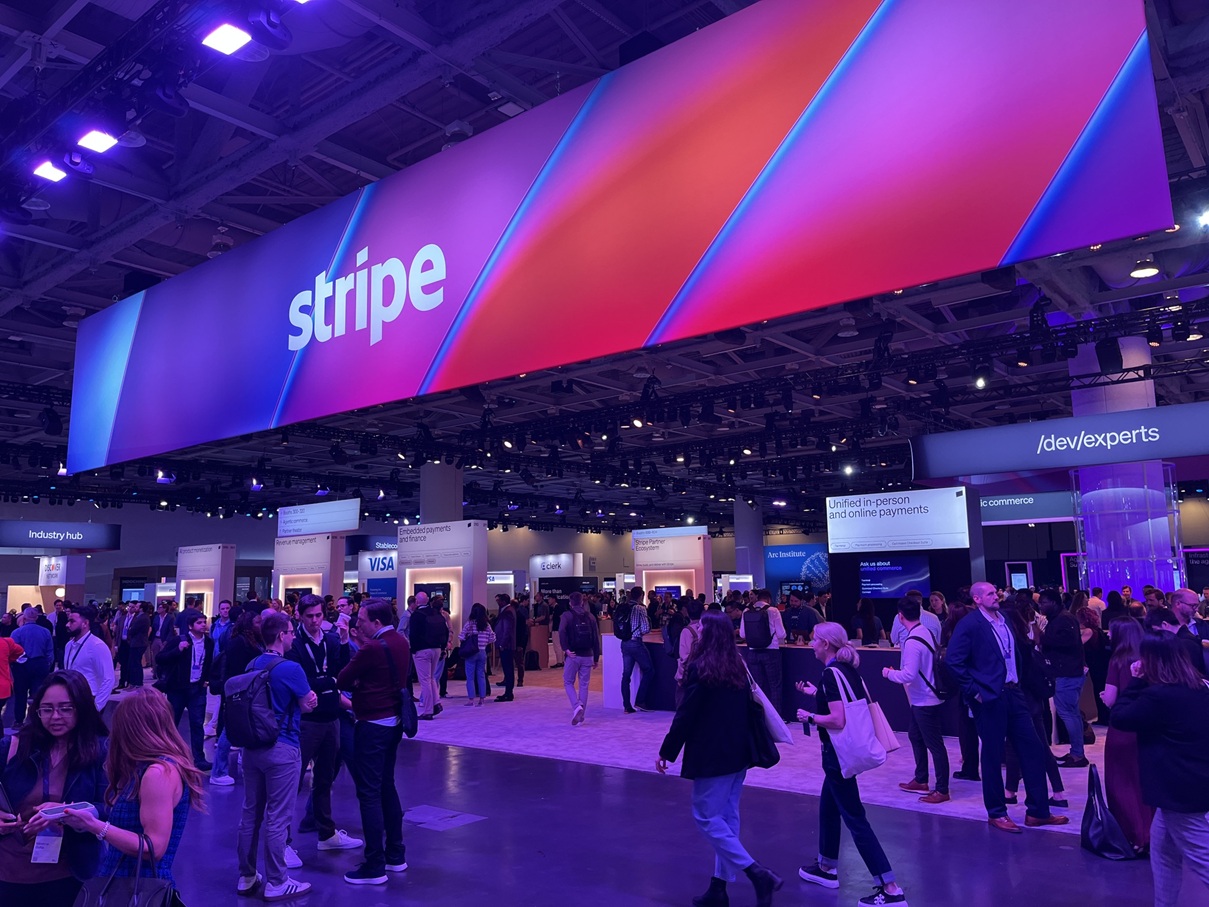
OpenAI launched Instant Checkout inside ChatGPT and published the Agentic Commerce Protocol, a co-developed standard with Stripe, enabling users in the U.S. to buy from Etsy merchants in-chat and promising expansion to more than a million Shopify merchants, per an OpenAI blog post. OpenAI said ChatGPT reaches 700 million weekly users, and OpenAI and Stripe have made the protocol and tooling available to merchants and developers, per OpenAI. Bloomberg and fintech outlets report Stripe is the payments partner powering the flow. Separately, Stripe CEO Patrick Collison showed data at Stripe Sessions documenting a recent, "parabolic rise" in new firm creation on Stripe, and OpenAI CEO Sam Altman described the current moment as "somewhat of a takeoff," both quoted by SiliconANGLE. Reporting by Lex Sokolin and others describes technical primitives such as Shared Payment Tokens used to scope payment authorization to merchants.
What happened
OpenAI introduced Instant Checkout inside ChatGPT and published the Agentic Commerce Protocol as the technical foundation for agent-enabled purchases, according to an OpenAI blog post dated September 29, 2025. OpenAI said the feature initially allows U.S. ChatGPT users to purchase from Etsy sellers and that the roll-out will expand to over one million Shopify merchants and named brands like Glossier, SKIMS, and Vuori, per OpenAI. The OpenAI post states ChatGPT reaches 700 million weekly users. OpenAI and Stripe co-developed the protocol, and multiple outlets including Bloomberg report Stripe is powering payments and order flows for Instant Checkout.
Technical details
Editorial analysis - technical context
Industry coverage and the OpenAI blog describe the Agentic Commerce Protocol as an open standard that lets AI agents, people, and merchants coordinate orders, payments, and fulfillment while keeping merchants in control of their back-end systems. Reporting by Lex Sokolin (Fintech Blueprint) summarizes implementation primitives such as Shared Payment Tokens (SPTs), which are described as tokens scoped to specific merchants and cart totals so agents can initiate payments without exposing stored payment credentials. OpenAI states orders and fulfillment remain handled by merchants' existing systems, and the protocol is intended to be compatible with multiple payment processors, per OpenAI and fintech coverage.
Context and significance
Public reporting frames this product push as a concrete step toward what vendors call "agentic commerce," where LLM-based agents can not only recommend products but complete transactions on behalf of users. For practitioners, the architecture described, agent-layer orchestration plus tokenized, merchant-scoped payment handoffs, echoes established patterns for delegated authorization (for example, OAuth plus tokenized payment instruments) but reframes them for agent-initiated flows and scale across millions of endpoints.
Business signals reported
SiliconANGLE covered comments from Stripe CEO Patrick Collison showing a recent, rapid increase in new firms adopting Stripe; Collison is quoted saying, "Something as far as we can tell really has changed over the last couple of months," and characterizing the shift as a "parabolic rise" in new firm creation. SiliconANGLE also quoted OpenAI CEO Sam Altman saying, "It does feel like we're on somewhat of a takeoff," and quoted Altman describing ambitions to act as an infrastructure provider, including a claim that OpenAI has committed to $600 billion of data center capacity, per SiliconANGLE reporting.
For practitioners
Observed patterns in similar deployments: Agentic commerce amplifies integration demands across three domains: secure token handling and issuer reconciliation, tighter event-driven order/fulfillment hooks between conversational front ends and merchant back ends, and increased surface area for fraud monitoring and reconciliation. Vendors adopting similar agentic patterns typically surface new APIs for token lifecycle management, consent revocation, and granular per-merchant billing reconciliation.
What to watch
Industry context
Observers should track merchant adoption metrics (number of merchants enabled, transaction volumes through agents), interoperability between competing agent-payment protocols (for example, Google's Agent Payments initiatives), and how payment processors and card networks treat SPT-like tokens for settlement and chargeback processes. Also watch regulatory and fraud-prevention responses as agent-initiated purchases scale.
Quoted sources and attribution
The core product announcement and user metrics come from an OpenAI blog post. Bloomberg and fintech outlets reported Stripe's role as payments partner. SiliconANGLE reported the Collison and Altman quotes and the data-center capacity figure. Lex Sokolin and Fintech Blueprint summarized tokenization primitives and business-model implications.
Editorial analysis
This story combines a product launch with coordination across payments infrastructure and AI agent orchestration. The immediate effect for practitioners is practical: integrating with agentic commerce will require concrete API and token-management work on merchant systems, and payment-platform teams should expect new event flows and reconciliation demands as agent-initiated orders move beyond single-item Instant Checkout toward multi-item carts and global roll-outs.
Key Points
- 1OpenAI published the Agentic Commerce Protocol and launched Instant Checkout, enabling in-chat purchases from Etsy and planned Shopify merchants, per OpenAI.
- 2Stripe's payments stack powers the flow, and Stripe leadership reported a recent "parabolic rise" in new firms using Stripe, per SiliconANGLE and Bloomberg.
- 3Industry pattern: agentic commerce raises integration needs for token lifecycle, event-driven order hooks, and fraud/reconciliation systems for merchant back ends.
Scoring Rationale
This is a major product integration that makes agent-enabled purchases concrete and broadly accessible to merchants; it affects payments, merchant integrations, and agent design but is not a frontier model release. The story matters for platform and payments engineers, with clear operational implications.
Sources
Public references used for this report.
Practice with real Ride-Hailing data
90 SQL & Python problems · 15 industry datasets
250 free problems · No credit card
See all Ride-Hailing problems