O'Leary Digital Builds 9 GW Utah AI Data Center Campus
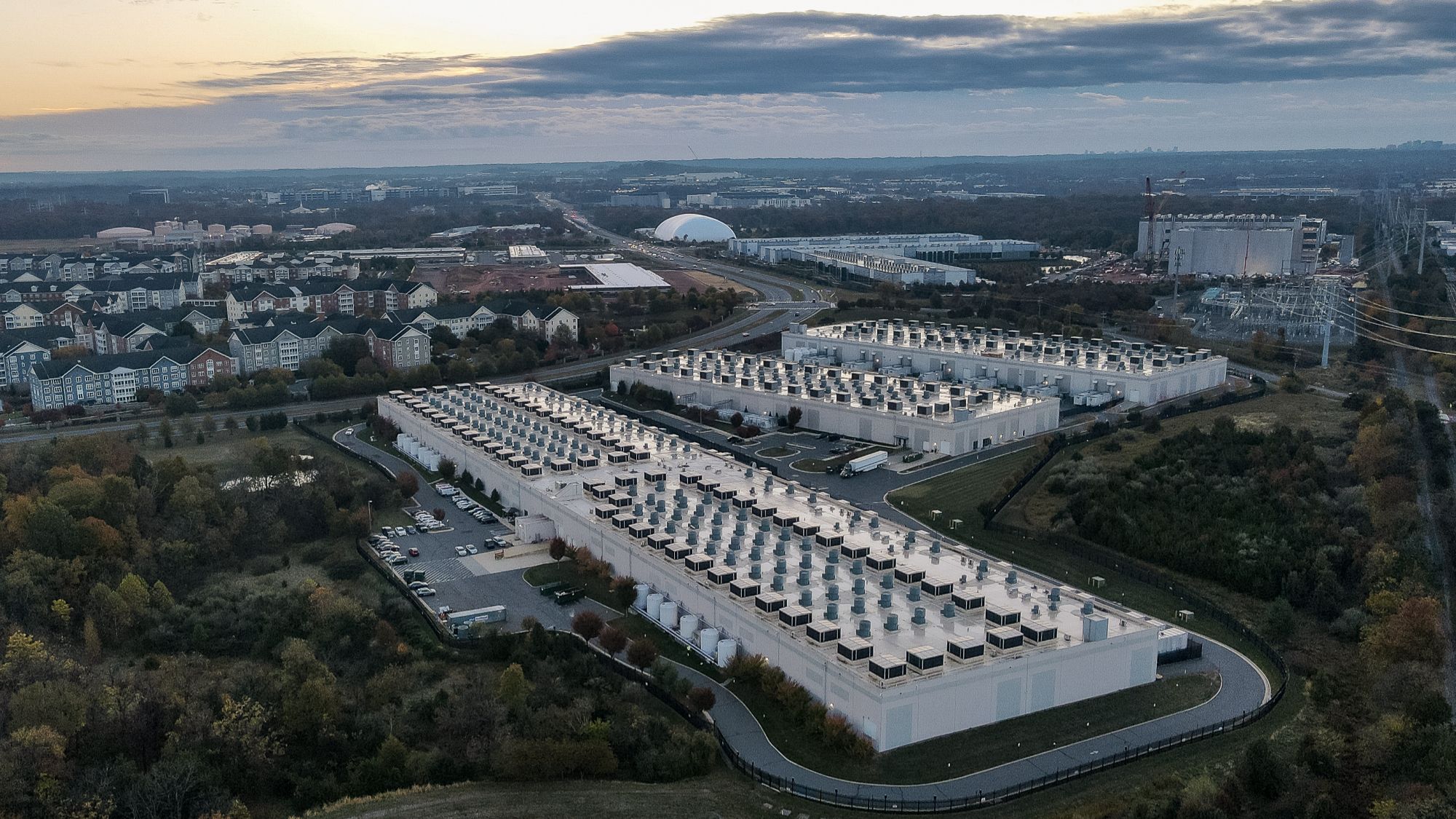
Kevin O'Leary's O'Leary Digital agreed on June 4, 2026 to cut the footprint of its proposed Stratos data center campus in Box Elder County, Utah roughly in half, from about 40,000 acres to about 20,000 acres, after Utah Senate President Stuart Adams demanded a reduction and residents organized opposition and a referendum drive, according to KSL and Utah News Dispatch. Utah's Military Installation Development Authority (MIDA) had approved a development agreement for the project on April 24, 2026, and Box Elder County commissioners approved it on May 4 despite public protest. At full buildout the site is still expected to reach 9 GW of power, more than double Utah's roughly 4 GW average statewide electricity use, generated on-site via the Ruby Pipeline natural gas line rather than drawn from the grid. O'Leary also committed to dedicating surplus water to the shrinking Great Salt Lake. For AI-infrastructure watchers, Stratos is becoming a test case for how off-grid, gas-powered hyperscale campuses navigate state political pushback.
Stratos is one of the largest attempts yet to build a hyperscale AI campus almost entirely outside the public grid, and its first two months show how quickly that model runs into state politics: a state authority approved it in weeks, but public pushback over water and air quality forced the developer to cut the project's footprint in half within about six weeks of local approval. For anyone tracking off-grid, gas-fired data center buildouts as a template, the political and permitting friction here, not the engineering, is turning out to be the binding constraint.
What happened
Utah's Military Installation Development Authority (MIDA) approved a development agreement on April 24, 2026 for Stratos, a hyperscale data center campus in Box Elder County developed by O'Leary Digital, the infrastructure venture chaired by Kevin O'Leary (Tom's Hardware, Utah News Dispatch). Box Elder County commissioners approved companion resolutions on May 4 despite organized opposition; Utah News Dispatch reported hundreds of residents protested at the vote. As originally approved, the project spanned about 40,000 acres of private land plus 1,200 acres of military and state-owned property, with Phase 1 targeting roughly 3 GW of generation capacity and a full buildout reaching 9 GW, more than double Utah's current average statewide electricity use of about 4 GW (Tom's Hardware). MIDA executive director Paul Morris said the campus would generate its own power via a connection to the Ruby Pipeline, a 680-mile interstate natural gas line, and would "not take one electron" from the existing grid. Facing a demand letter from Utah Senate President Stuart Adams for a much smaller footprint, O'Leary Digital CEO Paul Palandjian agreed on June 4 to drop two of the three project areas, cutting the total from about 40,000 to about 20,000 acres and leaving only the Hansel Valley parcel; O'Leary also committed to dedicating excess project water to the Great Salt Lake and to commissioning an independent thermal-load study (KSL).
Timeline
MIDA approves a development agreement, four resolutions and a tax ordinance for the Stratos project.
Box Elder County commissioners approve companion resolutions despite public protest.
Utah Senate President Stuart Adams publicly demands the project area be cut from 40,000 to 10,000 acres.
O'Leary Digital agrees to cut the project area to about 20,000 acres and commits water to the Great Salt Lake.
Industry context
Opponents have separately sued over a decision they say stalled a referendum drive that had sought to put the county approvals to a public vote, and critics cited in local coverage argue the buildout could meaningfully raise regional carbon emissions and strain water supplies already stressed by the shrinking Great Salt Lake. Utah News Dispatch reports MIDA, a state authority whose board is mostly gubernatorially appointed rather than elected, is also weighing a design review process before construction can begin, so the project remains short of a final, buildable master plan.
For practitioners
These are industry-pattern observations, not claims about O'Leary Digital's private plans. Off-grid, gas-fired power paired with a hyperscale AI campus sidesteps grid-interconnection queues, currently one of the biggest bottlenecks for new AI compute, but shifts the constraint to fuel-supply contracts, emissions permitting and local political approval, as this project shows. Anyone modeling data center capacity timelines around similarly sited off-grid campuses should treat community and legislative pushback, not just construction schedules, as a first-order risk to buildout dates.
What to watch
Key signals include MIDA's design review committee decisions, any environmental or thermal-load studies O'Leary Digital commits to, the outcome of the opponents' lawsuit over the blocked referendum, and whether Phase 1 construction (roughly 3 GW) begins on the reduced Hansel Valley footprint. Those will show whether the scaled-back Stratos still reaches its stated 9 GW ceiling or settles at a smaller permanent size.
Key Points
- 1MIDA and Box Elder County approved the 40,000-acre Stratos data center campus in April-May 2026 despite public opposition over water and air quality.
- 2Facing a demand from Utah's Senate president, O'Leary Digital cut the project area roughly in half on June 4 and pledged Great Salt Lake water.
- 3The campus would still target 9 GW at full buildout, powered off-grid via the Ruby Pipeline, making political pushback the main timeline risk.
Scoring Rationale
A 9 GW off-grid hyperscale campus remains a nationally significant AI-infrastructure test case, and the story has materially advanced since initial approval: state political intervention forced a 50 percent footprint reduction within weeks, showing real regulatory friction rather than a rubber-stamped plan. Score reflects the project's scale and now multi-source, current verification, offset by the fact that a final buildable master plan and construction have not yet started.
Sources
Public references used for this report.
Practice interview problems based on real data
1,625 SQL & Python problems across 15 industry datasets — the exact type of data you work with.
Try 250 free problems