
Nvidia Delivers Exceptional Growth Amid Valuation Debate
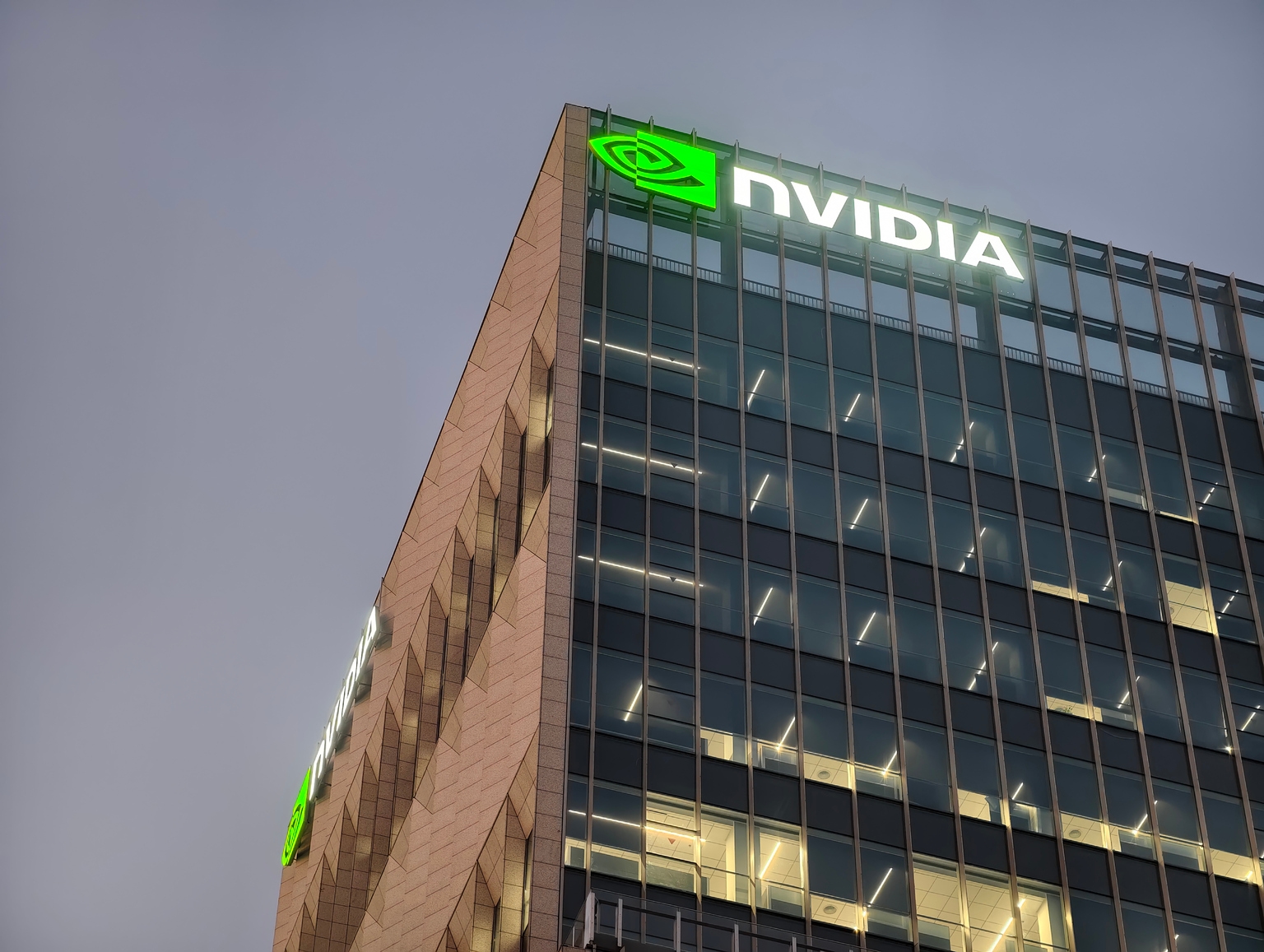
Nvidia is reporting exceptional fundamentals with revenue growing about 70% year-over-year, a 10-year share price CAGR of 54.5%, and market capitalization near $4.8 trillion. Core profitability metrics are far above peers: a five-year return on equity of 75%, return on invested capital of 60%, and gross margins averaging 68%. These operating advantages underpin dominant positions in GPUs and AI infrastructure, but valuation signals are mixed: historical metrics look attractive while forward analyst multiples suggest the stock may be fairly priced to overpriced. The key tradeoff for practitioners and investors is whether sustained AI-driven demand justifies premium multiples and ongoing heavy reinvestment in chips and data-center compute.
What happened
Nvidia Corporation is exhibiting extraordinary financial performance, with revenue growth near 70% annually, a 10-year share price CAGR of 54.5%, and a market cap reported at $4.83 trillion. Core profitability measures are exceptional: five-year ROE at 75%, ROIC at 60%, and average gross margins of 68%, all substantially above industry norms.
Technical details
The companys economics reflect a classic winner-take-most flow in semiconductor IP and data-center compute. Key durability indicators include:
- •High gross margins driven by pricing power on GPUs and silicon architectures
- •Extraordinary returns on capital that signal strong competitive moats in manufacturing partnerships and software stack investments
- •Revenue and profit acceleration consistent with outsized AI infrastructure demand
These metrics imply the business converts incremental revenue into outsized profits, supporting heavy R&D and fab partnerships. Valuation is the counterpoint: trailing metrics sometimes imply undervaluation, while consensus forward multiples and analyst forecasts place the stock in a fairly priced to premium territory relative to implied growth assumptions.
Context and significance
Nvidia sits at the center of the AI compute stack. High margins and ROIC stem from a combined hardware plus software ecosystem that competitors find hard to replicate quickly. For ML practitioners and infrastructure planners, that means continued tight coupling between model scale and Nvidia GPU availability, pricing, and software support. From an investor perspective, the debate is not about growth capacity, but about sustainability of the margin profile and the multiple investors are willing to pay as growth decelerates from hypergrowth levels.
What to watch
Monitor quarterly guidance for data-center revenue and gross-margin trajectory, updates on supply and pricing for next-generation GPUs, and any signs of margin compression from competition or end-market normalization. These data points will determine whether current multiples remain justified or require re-rating.
Key Points
- 1Outstanding fundamentals, with 70% revenue growth and 75% ROE, show Nvidia converts AI demand into exceptional profitability.
- 2Valuation is mixed: historical metrics imply undervaluation while forward analyst multiples suggest fair to premium pricing.
- 3Critical near-term indicators are data-center revenue guidance, GPU pricing/supply trends, and margin stability for multiple sustainability.
Scoring Rationale
Nvidia's financial results are highly relevant to AI practitioners because they affect GPU availability, pricing, and platform investment. The story is important but primarily financial rather than a technical breakthrough, so it rates as a solid, practitioner-relevant development.
Practice interview problems based on real data
1,625 SQL & Python problems across 15 industry datasets — the exact type of data you work with.
Try 250 free problems