Norway Wealth Fund CEO Warns Against AI-Driven Job Cuts
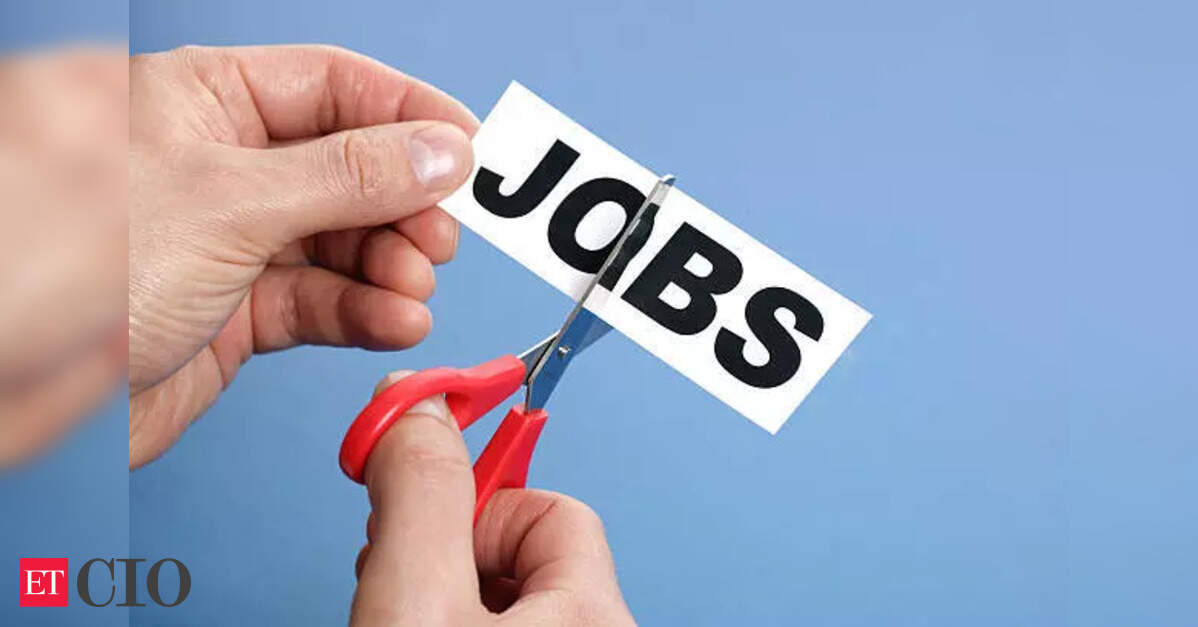
The CEO of Norway's $2.2 trillion sovereign wealth fund, Nicolai Tangen, warned companies against using artificial intelligence solely to cut jobs, saying widespread layoffs could provoke a public backlash, reporting by the Economic Times CIO states. In an interview at the fund's Oslo offices, Tangen said, "I'm surprised by people who basically use it only to take out costs," and argued AI should "lift everybody up" rather than "make themselves unemployed," the article reports. The piece notes the fund owns on average 1.5% of listed stocks across about 7,200 companies and that roughly half of its 700 employees code their own AI tools, according to the same reporting. The article also references broader U.S. corporate layoffs this year amid AI adoption, and frames Tangen as urging productivity gains and social benefits from AI rather than workforce reduction.
What happened
The Economic Times CIO reports that Nicolai Tangen, CEO of Norway's $2.2 trillion sovereign wealth fund, urged companies not to use artificial intelligence solely to cut jobs, warning such layoffs could trigger a societal backlash. In an interview at the fund's offices in Oslo, Tangen said, "I'm surprised by people who basically use it only to take out costs," and added AI should be used to "lift everybody up," per the article. The report states the fund owns on average 1.5% of listed stocks across about 7,200 companies and that about half of its 700 employees develop their own AI tools.
Editorial analysis - technical context
Industry context
Public commentary from large institutional investors often focuses on long-term systemic risk and social stability rather than firm-level product choices. Observers following the sector will note that when major investors highlight social consequences of automation, it can influence public dialogue and regulatory attention even if it does not directly change corporate engineering roadmaps.
Companies adopting AI primarily for headcount reduction commonly confront operational and human-centred challenges, including degraded institutional knowledge, retraining burdens, and employee morale impacts. These are recurring patterns documented across corporate AI adoption case studies and academic literature on automation and labour markets.
Context and significance
What to watch
- •Media and regulatory responses in Europe and the U.S. to high-profile investor statements about AI and employment.
- •Corporate disclosures and governance discussions where boards reference social or political risks from automation.
- •Evidence from case studies where AI deployments emphasize augmentation, productivity gains, and measurable upskilling outcomes.
Editorial analysis
The Economic Times CIO frames Tangen's remarks against a backdrop of recent U.S. corporate layoffs tied in reporting to increased AI use. For practitioners, the significance is twofold: investor signals can shape public and regulatory expectations about responsible AI adoption, and visible backlash risk is an operational consideration when designing automation projects that affect headcount.
For practitioners, tracking how stakeholders, including large institutional investors, frame automation risk will help assess non-technical constraints on deployment timelines, disclosure practices, and workforce-transition programs. The Economic Times CIO reporting does not provide new technical specifications from the fund; it documents public remarks and the fund's scale and staffing pattern as reported.
Key Points
- 1Institutional voices highlighting social risks of automation can amplify regulatory and public scrutiny on AI-driven layoffs.
- 2Companies using AI mainly for cost-cutting often face workforce, knowledge-retention, and morale challenges that complicate deployments.
- 3Investors and public commentary can shift the operational calculus for AI projects by raising expectations for augmentation and reskilling.
Scoring Rationale
Comments from the CEO of the world's largest sovereign wealth fund draw attention to AI's social and political risks, which matters to practitioners designing workforce-impacting systems. The story is notable but not a technical or market-moving development.
Practice with real Ride-Hailing data
90 SQL & Python problems · 15 industry datasets
250 free problems · No credit card
See all Ride-Hailing problems